1. Key Issue: Cross-contamination in Food Production
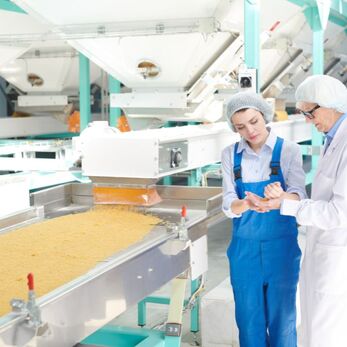
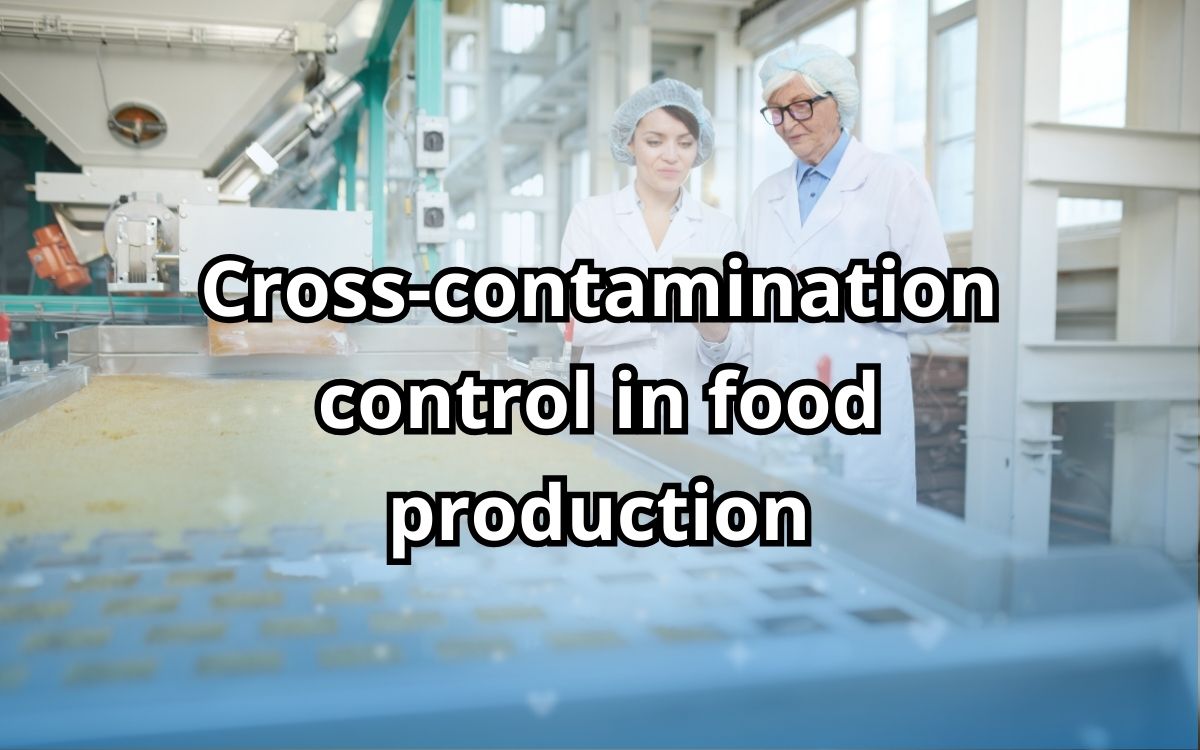
Cross-contamination is the phenomenon in which microorganisms, chemicals, or foreign objects from one source (raw materials, equipment, personnel, etc.) enter another food product during the production process. This is one of the main causes of food safety issues, directly affecting consumer health and damaging a company’s reputation.
In a food production environment, the risk of cross-contamination can arise from:
- Workers not following personal hygiene protocols.
- Raw materials coming into contact with processed ingredients.
- Tools and production surfaces not being cleaned properly.
- Uncontrolled airflow or environmental conditions in the factory.
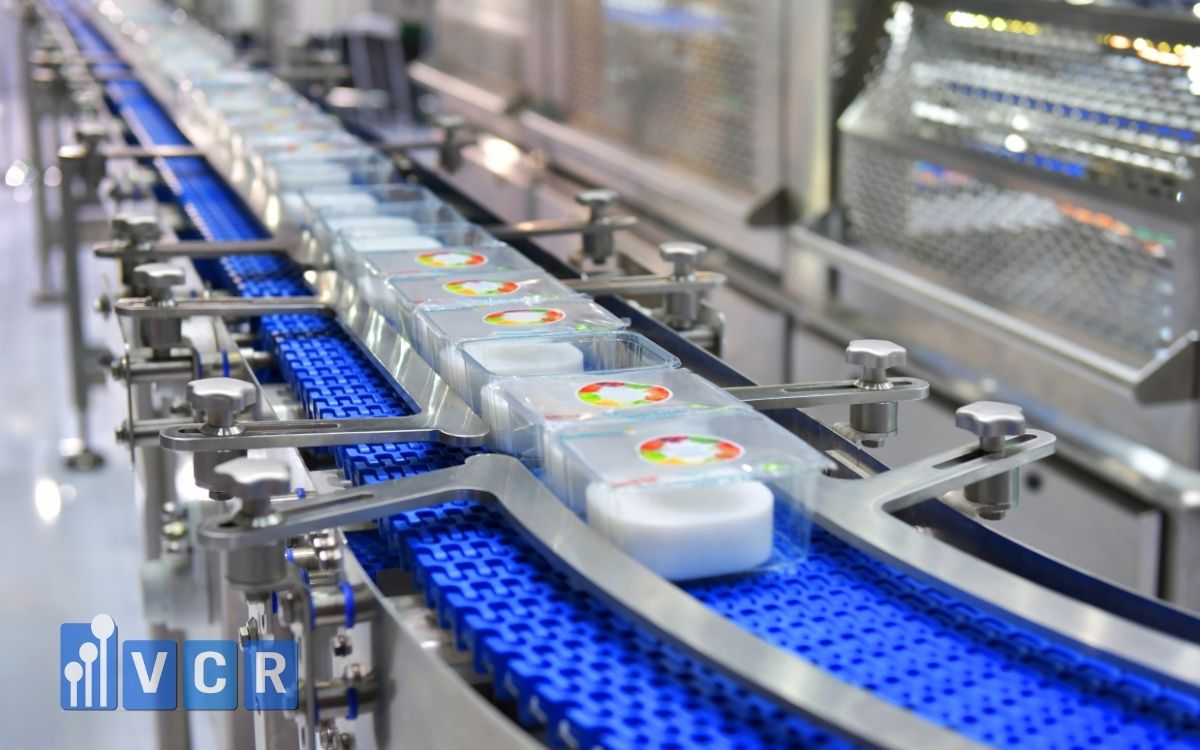
The dangers of cross-contamination include:
- Degrading product quality, causing changes in taste, color, or texture.
- Increasing the risk of contamination with harmful bacteria (Salmonella, E.coli, Listeria…) leading to food poisoning.
- Preventing companies from meeting standards such as HACCP, GMP, or ISO 22000, which can result in export rejection or product recalls.
- Severe damage to brand image and significant financial losses.
Therefore, controlling cross-contamination is a mandatory requirement in all food factories, not only to comply with legal regulations but also to protect consumer safety and ensure sustainable business development.
2. Common Causes of Cross-contamination
In food production, cross-contamination can occur from multiple sources. Below are typical causes often found in factories:
Human Factors
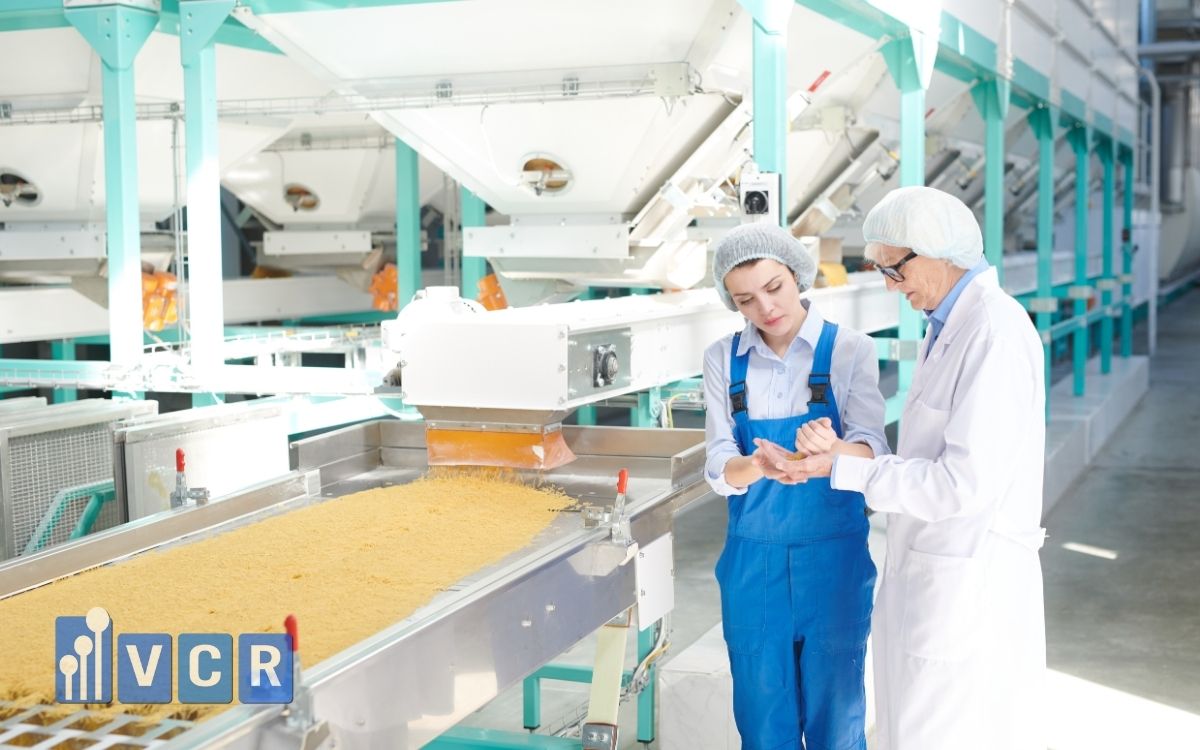
- Workers not following cleanroom gowning procedures, carrying dust and microorganisms from outside.
- Poor personal hygiene habits: improper hand washing, incomplete use of protective clothing.
- Moving incorrectly between clean and contaminated areas, spreading pathogens to production zones.
Equipment and Contact Surfaces
- Production lines, worktables, knives, and containers not being cleaned and sterilized regularly.
- Using the same equipment for raw and processed materials.
- Damp, hard-to-clean surfaces becoming breeding grounds for bacteria.
Airflow and Pressure in the Facility
- Air not being properly filtered, carrying dust and microorganisms.
- Failure to maintain proper differential pressure between rooms, allowing air from contaminated areas to flow into clean areas.
- Poorly designed HVAC systems creating turbulent airflow that spreads contaminants.
Storage and Transportation of Raw Materials
- Transporting raw and cooked materials together without separation.
- Storage facilities not meeting temperature and humidity standards, leading to mold and microbial growth.
- Packaging and containers not being disinfected before entering the production area.
Identifying the causes of cross-contamination is the first step for companies to establish an effective control system, ensuring food products are safe before reaching consumers.
3. Solutions to Control Cross-contamination in Food Factories
To minimize the risk of cross-contamination, companies must adopt a comprehensive approach, combining facility design, specialized equipment, quality management systems, and personnel training.
Proper Cleanroom Design
- Apply the principle of one-way flow to prevent crossover between personnel movement and product flow.
- Install airlocks and changing rooms at entry points to control contamination from outside sources.
- Divide production areas according to risk levels: raw materials, preliminary processing, production, and packaging.
Use of Specialized Cleanroom Equipment
Specialized equipment helps eliminate contamination risks at the source, creating a safe production environment:
|
Equipment |
Function |
Application in Food Factories |
|
Air Shower |
Blows high-velocity air to remove dust and microorganisms from workers’ bodies and clothing |
Installed at entrances to production areas to reduce the risk of external contamination |
|
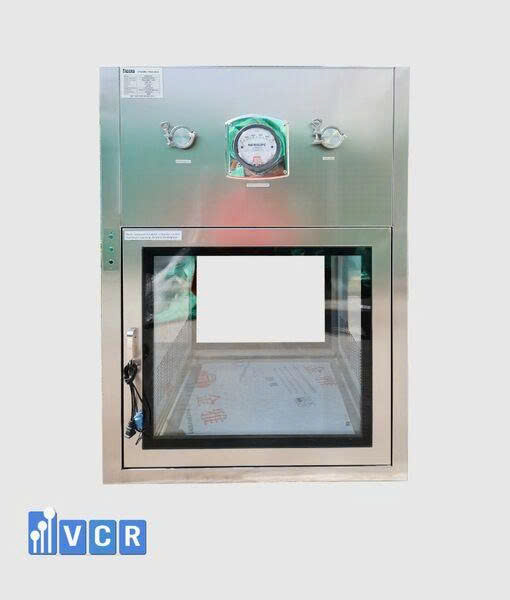
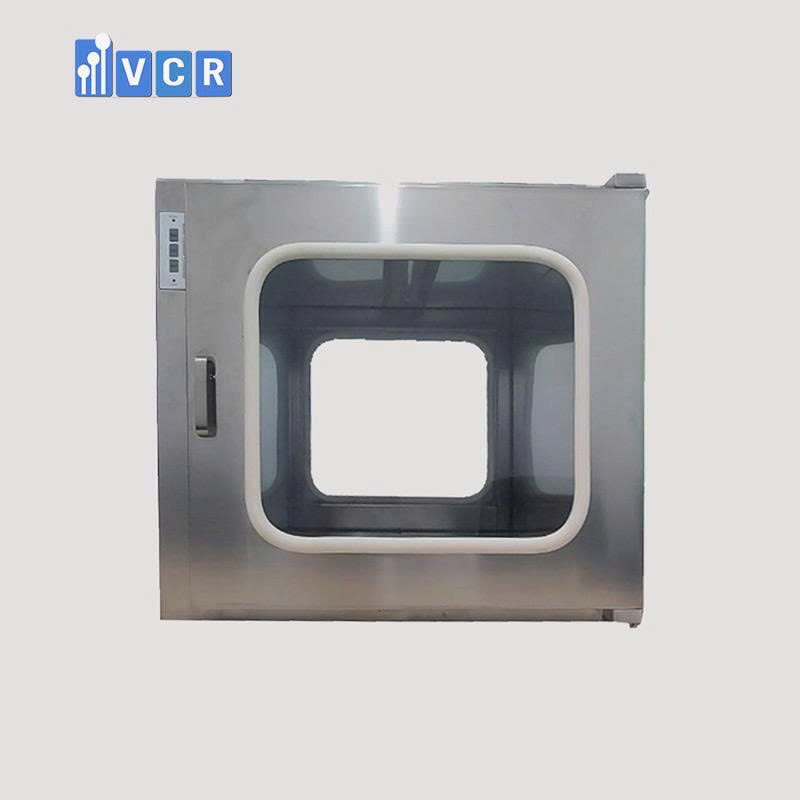
Pass Box |
Transfers materials between cleanrooms without cross-contamination |
Used to move raw materials and tools from storage to production areas |
|
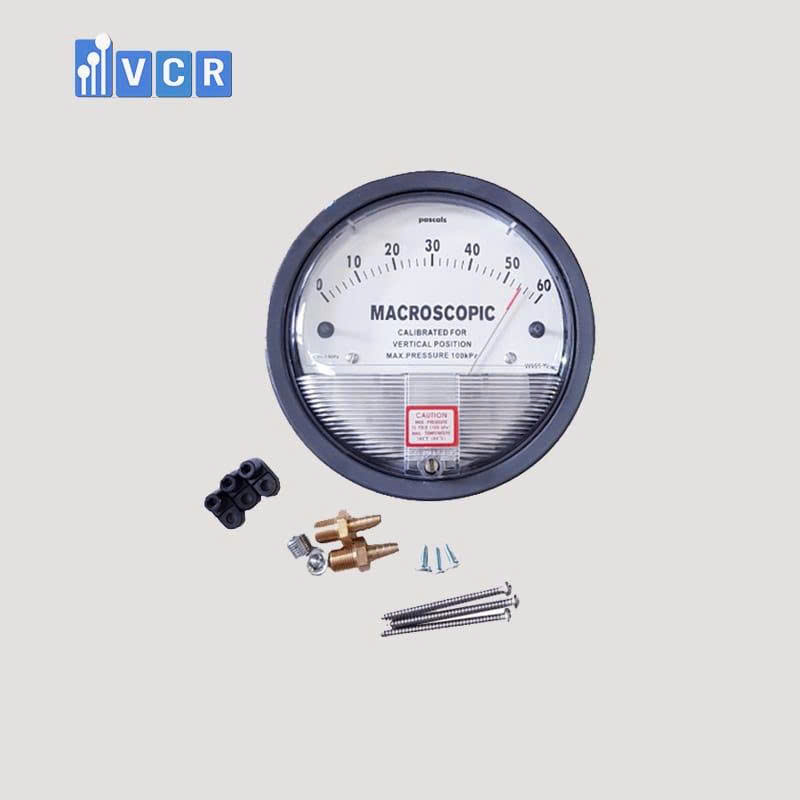
Differential Pressure Gauge |
Monitors and maintains pressure differences between rooms |
Ensures contaminated air does not flow into clean areas |
|
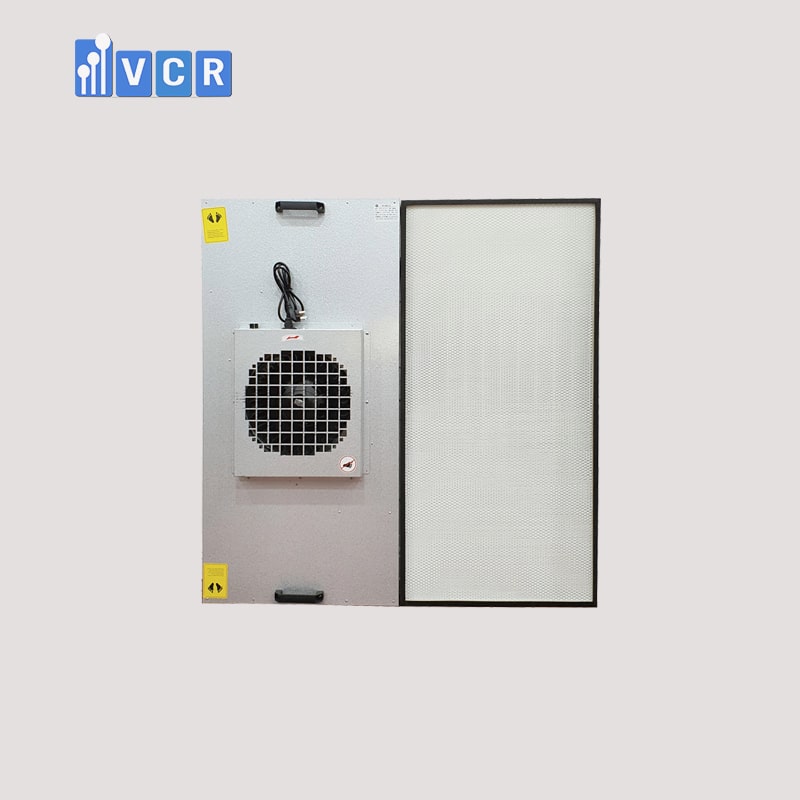
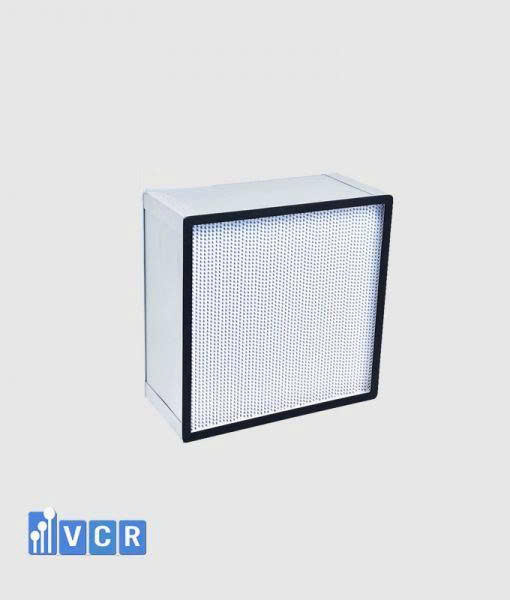
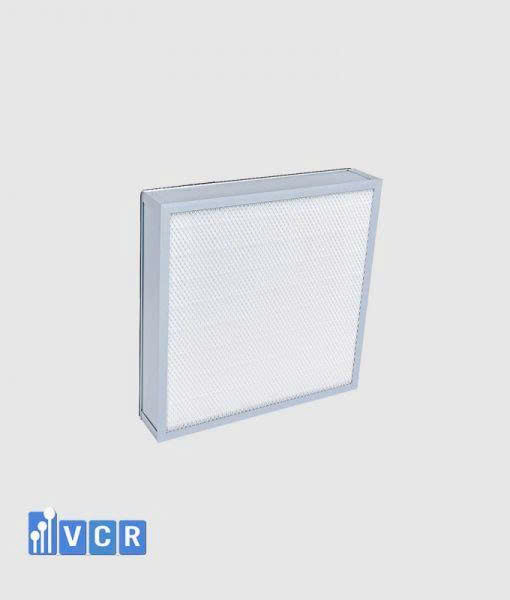
Air Filtration System (HEPA, FFU) |
Removes fine dust and microorganisms from the air |
Maintains the cleanliness level required by HACCP/GMP standards |
Implementation of Quality Management Standards
- HACCP: Identifies Critical Control Points (CCPs) to prevent cross-contamination risks.
- GMP (Good Manufacturing Practices): Ensures all production processes comply with international standards.
- ISO 22000: Integrates comprehensive food safety management, from raw material intake to finished products.
Personnel Training and Supervision
- Train employees on proper cleanroom gowning procedures before entering controlled areas.
- Provide training on personal hygiene and standardized operations for each production step.
- Establish movement regulations and conduct periodic compliance checks to maintain discipline.
By combining facility design, equipment, quality management standards, and personnel training, food factories can effectively control cross-contamination while enhancing brand reputation and competitiveness in both domestic and international markets.
4. Benefits of Effective Cross-contamination Control
Implementing cross-contamination control measures is not only a mandatory requirement in food production but also brings long-term value to businesses.
Ensuring Food Safety
- Keeps products free from harmful bacteria, mold, and chemical contamination.
- Protects consumer health and reduces the risk of food poisoning.
- Builds trust with customers and business partners.
Reducing Legal Risks and Product Recalls
- Ensures full compliance with national and international food safety regulations.
- Prevents costly product recall incidents that damage both finances and brand reputation.
- Minimizes the risk of penalties or suspension of operations due to non-compliance.
Enhancing Brand Reputation and Export Opportunities
- Enables businesses to meet HACCP, GMP, and ISO 22000 standards, facilitating entry into markets such as the EU, USA, and Japan.
- Strengthens competitiveness against rivals lacking strict contamination controls.
- Positions the brand as synonymous with quality, safety, and sustainability.
Maintaining Operational Stability and Cost Optimization
- Reduces costs associated with incident management, rework, or product disposal.
- Improves production efficiency by limiting contamination-related disruptions.
- Optimizes Return on Investment (ROI) from cleanroom and control equipment investments.
It is clear that cross-contamination control is not only a legal obligation but also a smart business strategy, helping companies achieve sustainable growth and succeed in global markets.
5. Frequently Asked Questions
At which stages does cross-contamination in food production usually occur?
It most commonly occurs during raw material reception, processing, and packaging. These are high-risk stages because raw materials, semi-finished products, and finished products can easily come into contact if proper separation and flow are not maintained.
Is it necessary to invest in a cleanroom for small food factories?
Yes. Even for small-scale factories, a cleanroom helps reduce the risk of contamination while ensuring compliance with food safety regulations. It also provides an advantage when expanding into export markets.
Which equipment is most important in controlling cross-contamination?
The essential equipment includes:
- Air Shower: removes dust and microorganisms before workers enter the production area.
- Pass Box: transfers materials safely between rooms without causing contamination.
- HEPA/FFU air filtration system: maintains a stable cleanliness level and prevents airborne microorganisms.
Is HACCP mandatory in food production?
Yes. HACCP is a mandatory international standard for many markets, especially for companies aiming to export. Implementing HACCP demonstrates the company’s ability to control food safety while reducing legal risks and potential product recalls.
6. Contact VCR for Support
Are you building or upgrading a food factory and concerned about the risk of cross-contamination?
Do you need cleanroom solutions and equipment that comply with HACCP, GMP, and ISO 22000 to ensure food safety and expand export opportunities?
Contact VCR – the cleanroom solutions expert:
- Consulting and designing standard cleanrooms for the food industry.
- Supplying specialized equipment: Air Showers, Pass Boxes, FFUs, HEPA Filters, differential pressure gauges, and more.
- Providing full support from design and installation to operation and validation.
Get in touch with VCR today for free consultation and tailored solutions for your factory.
Hotline: 090.123.9008
Email: [email protected]
Website: https://phongsachthucpham.com/
Diep VCR