- 1. How Equipment Failures Impact HACCP Certification
- 2. Common Equipment Failures That Lead to HACCP Non-Compliance
- 3. Root Causes of Equipment Issues in HACCP Systems
- 4. How to Prevent Equipment Failures in HACCP Systems
- 5. Recommended Equipment for Effective HACCP Control
- 6. Frequently Asked Questions
- 7. Need HACCP-Compliant Equipment Support? Contact Us Now
In the food safety management process, equipment errors that fail to meet HACCP standards are one of the common causes of critical control point (CCP) system failures. When equipment such as temperature sensors, pressure sensors, or cleanroom air filtration systems malfunction, the entire production chain can be affected - leading to the risk of contamination, parameter deviations, and loss of HACCP certification. This article will help you identify common equipment errors and effective solutions to ensure HACCP compliance.
1. How Equipment Failures Impact HACCP Certification
In the HACCP (Hazard Analysis and Critical Control Points) system, equipment is not merely a production aidit plays a crucial role in maintaining control over critical control points (CCPs). Any malfunction in monitoring, measuring, or process control equipment can compromise the system’s ability to ensure food safety.
Equipment directly linked to CCPs includes:
- Temperature/pressure sensors in cold storage or thermal processing chambers
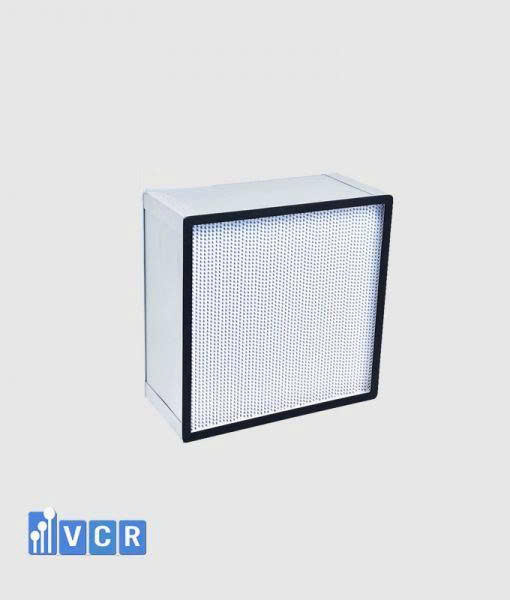
- Cleanroom air filtration systems (HEPA, FFU)
- Pass Boxes for transferring materials between segregated zones
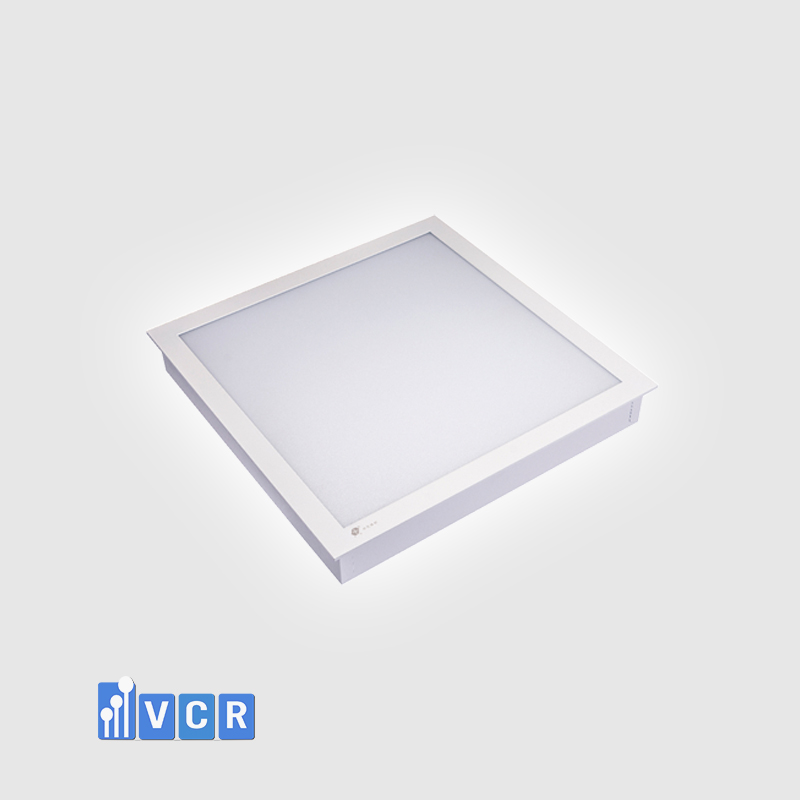
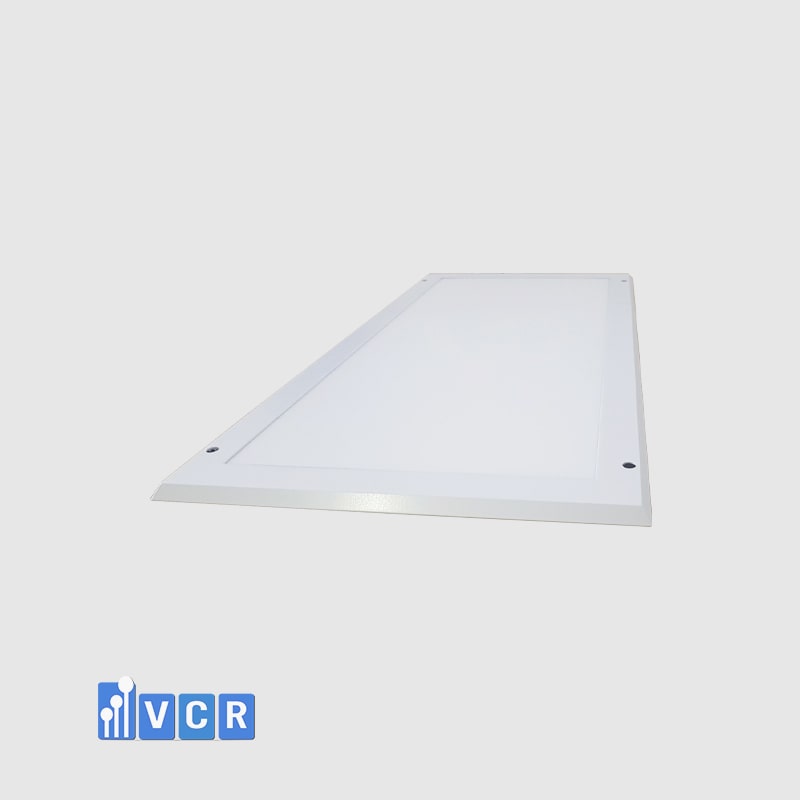
- Lighting systems in quality inspection rooms

Real-world example:
At a frozen meat processing plant, a temperature sensor was off by more than 2°C due to a lack of scheduled calibration. As a result, the cold storage area could not maintain a stable temperature below -18°C, increasing the risk of microbial growth → HACCP evaluation failed due to loss of control at the storage CCP.
Industries most vulnerable to equipment-related issues:
|
Industry |
Risk when equipment fails |
|
Food processing |
Loss of temperature control, microbial cross-contamination |
|
Seafood |
Freezing line failures - reduced freshness |
|
Beverage |
Contamination risks from compressed air; lack of light/pressure control |
Even minor equipment errors can compromise the entire HACCP system, which requires strict and continuous control. Proper equipment management is fundamental to maintaining HACCP certification.
2. Common Equipment Failures That Lead to HACCP Non-Compliance
Many companies invest in modern production systems but still fail HACCP auditsoften due to seemingly minor equipment failures that directly impact CCPs. Below are the most common equipment-related issues:
Table: Common Equipment Failures and Their Impact on HACCP
|
Equipment Failure |
Root Cause |
Impact on HACCP System |
|
Temperature sensor deviation |
No routine calibration |
Inability to detect temperature breaches at storage/heating CCPs |
|
Weak or broken FFU |
Dirty HEPA filters, weak fan motors |
Inability to maintain positive pressure/cleanroom integrity → risk of microbial contamination |
|
Pass Box interlock malfunction |
Relay failure, faulty opening mechanism |
Improper material transfer → contamination between clean and unclean zones |
|
Burned-out or inadequate lighting |
No regular inspection |
Insufficient lighting for sanitation monitoring or product inspection → impacts CCP verification |
|
Controller fails to trigger alerts |
Incorrect settings, software errors |
No warning when limits are exceeded → undetected physical/microbial/chemical hazards |
Key issues with these failures:
- Undetected in time
- Lack of records confirming corrective actions
- Direct impact on traceability and food safety risk assessment
To run an effective HACCP system, equipment must not only be “functional” but also “reliable and verifiable” under all operational conditions.
See more: Cross-contamination control in food production
3. Root Causes of Equipment Issues in HACCP Systems
Most equipment-related failures that affect HACCP systems are not due to poor product quality, but rather a lack of standardized management and operation procedures. Below are four root causes commonly found in food, seafood, and beverage facilities:
1. Lack of a clear preventive maintenance schedule
- No specific maintenance plan for each piece of equipment
- Technicians perform repairs only after failure, not preventively
- Maintenance records are not kept, making HACCP evaluation difficult
Example: An FFU unit lost airflow due to clogged HEPA filters, but the plant failed to detect it because there was no biannual inspection checklist.
2. Incorrect operation due to SOP violations
- Operators are not adequately trained on equipment use
- SOPs are outdated and don’t reflect the latest equipment model
- No illustrated instructions → misinterpretations during operation
Example: A temperature probe was left off after machine cleaning because staff didn’t know it had to be restarted → loss of monitoring data for a CCP.

3. Improper installation location or function
- Equipment placed outside the clean-to-dirty material flow
- Clean air systems (FFU/HEPA Box) misaligned with airflow direction
- Monitoring devices (differential pressure gauges, sensors) not positioned at actual control points
Example: A temperature sensor installed at the duct entrance instead of inside the heating chamber → measurements didn’t reflect actual product conditions.
4. No validation after maintenance
- No calibration or testing after repairs
- No internal or third-party validation reports
- Equipment reactivated without safety clearance
Example: A Pass Box was repaired (relay replaced) but the interlock wasn’t tested → both doors could open simultaneously → serious HACCP breach.
See more: Overview of ISO 22000 standard for food factories
4. How to Prevent Equipment Failures in HACCP Systems
Maintaining an effective HACCP system goes beyond proper designit heavily relies on how equipment is managed throughout its lifecycle: from installation to operation, maintenance, and validation. Below are three key strategies to prevent equipment failures that could compromise critical control points (CCPs):
1. Establish Post-Installation Qualification Procedures
|
Qualification Step |
Description |
|
IQ - Installation Qualification |
Verifies that installation conditions meet technical requirements and cleanroom design |
|
OQ - Operational Qualification |
Confirms that the equipment operates according to manufacturer specifications |
|
PQ - Performance Qualification |
Evaluates the equipment's ability to maintain performance under actual production conditions |
Each device should also be tagged with a unique identifier (ID, QR code, or barcode) for easy tracking and inspection history updates.
2. Perform Periodic Inspections at Recommended Intervals
|
Equipment |
Recommended Frequency |
Notes |
|
FFU (Fan Filter Unit) |
Every 6 months |
Check airflow, pressure, and output cleanliness |
|
Electronic Pass Box |
Monthly |
Test interlock status and control relays |
|
Temperature/Pressure Sensors |
Every 3-6 months |
Calibrate based on manufacturer standards or internal SOP |
|
Cleanroom Lighting |
Yearly |
Measure illuminance (lux); replace if below hygiene standard |
3. Train Operators and Maintenance Staff Properly
- Conduct regular training for production, QA, and maintenance teams
- Provide equipment-specific training: operation, error handling, and inspection procedures
- Include images and video illustrations in SOPs
- Assess competency and require sign-off after each training session
Incorrect use of equipment by untrained staff can lead to CCP failureseffective training is the best prevention.
5. Recommended Equipment for Effective HACCP Control
In industries like food, seafood, beverages, and cosmetics, selecting the right equipment not only enhances productivity but also helps maintain tight control over CCPs, as required by HACCP systems.
Below are three essential equipment types every HACCP-compliant facility should have:
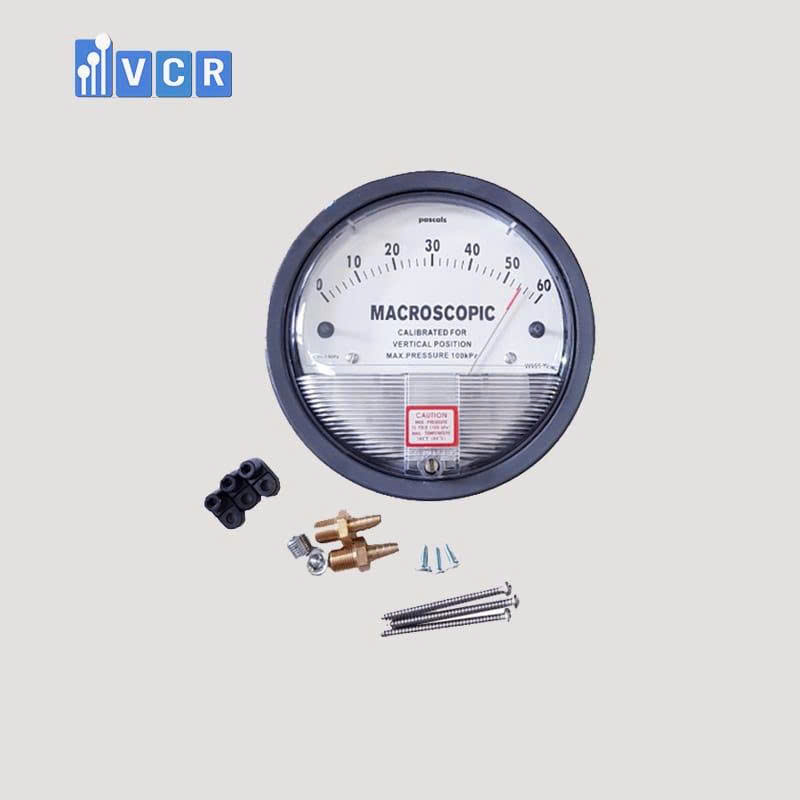
1. Dual-Needle Differential Pressure Gauge - Accurate Cleanroom Pressure Monitoring
Function: Measures and displays pressure differences between adjacent zones (e.g., warehouse - processing room, gowning - cleanroom)
Advantage: Two separate needles show real-time values vs. control limitseasy to read, even by non-technical staff
HACCP Application: Ensures unidirectional airflow and prevents microbial cross-contamination between clean and non-clean zones
Installation Recommendation: At every door between different cleanroom classifications (ISO 7 → ISO 5, etc.)
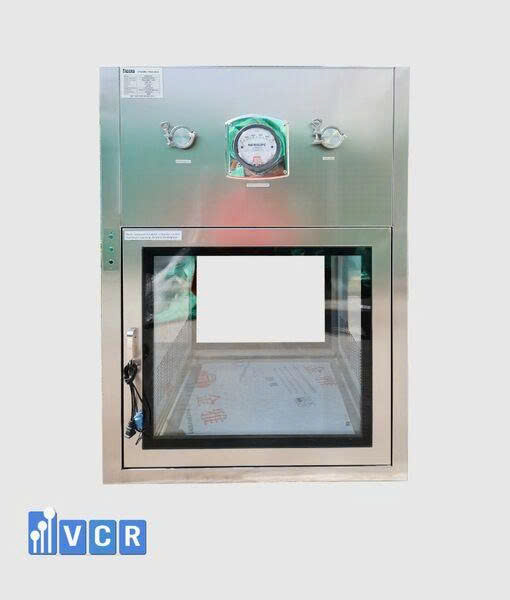
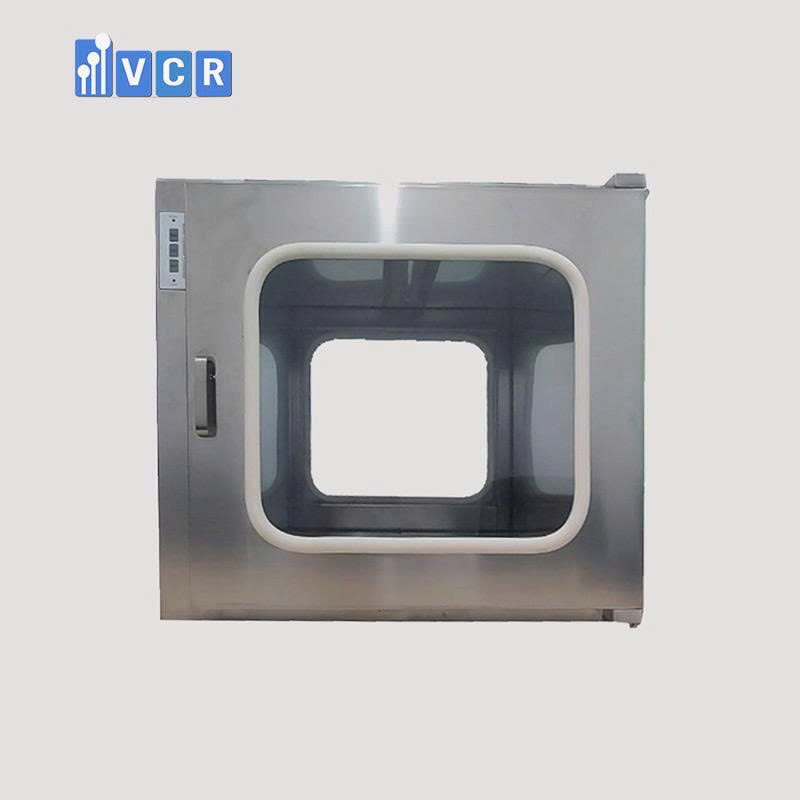
2. Electronic Pass Box - Safe and Efficient Material Transfer
Function: Transfers materials or semi-finished goods between clean areas without opening large doors
Advantage: Equipped with interlocks and door status sensorsensures only one door can open at a time
HACCP Application: Minimizes contamination risks during material handlingprotects hygiene at CCP transfer points
Recommended Use: Food packaging, handmade cosmetics, seafood processing facilities
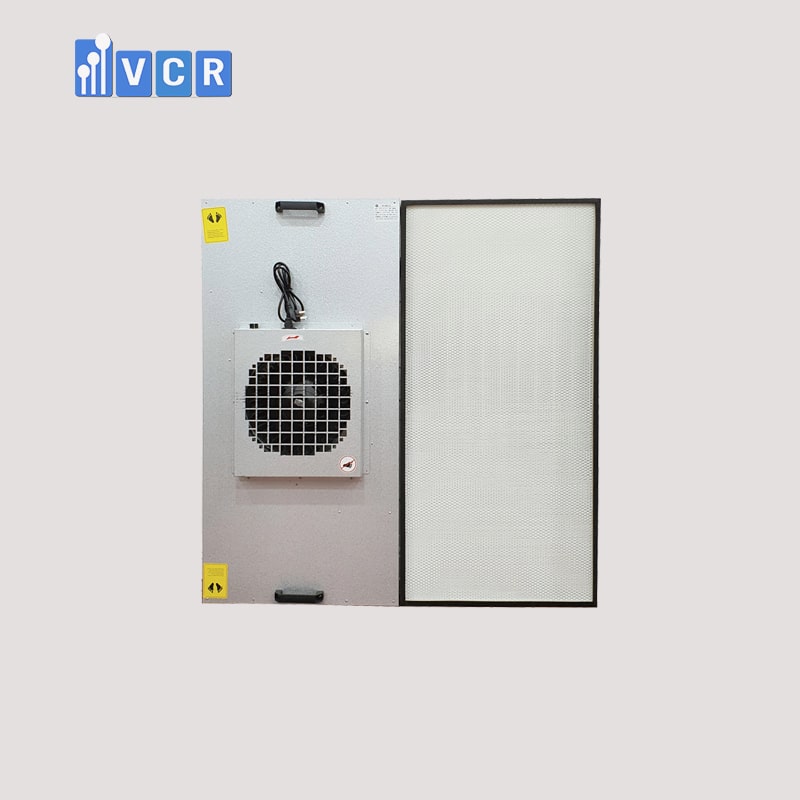
3. High-Capacity FFU - Stable Clean Air Supply
Function: Filters incoming air using HEPA/ULPA filters, maintains positive pressure, and prevents dust/microbe entry
Advantage: High-capacity units cover large areas like mixing, packaging, and QC inspection zones
HACCP Application: Maintains clean micro-environmentcrucial for environmental CCPs
Suggested Specs: Airflow of 800-1200 m³/h, noise level under 50 dB, ISO 5-8 cleanroom compatibility
See more: Temperature and humidity monitoring system for cold storage
6. Frequently Asked Questions
1. Which equipment must be validated under HACCP?
All devices directly related to CCPs require periodic validation, including:
- Temperature and pressure sensors
- Air filtration units (HEPA, FFU)
- Pass Boxes and Air Showers
- HVAC systems in food processing zones
Purpose: To ensure reliable monitoring data that can be traced during HACCP audits.
2. Can minor issues like a broken cleanroom light lead to HACCP failure?
Yes. This is a common reason for audit failure if not corrected in time. Inadequate lighting affects:
- Sanitation monitoring capability
- Effectiveness of visual inspections
- Operational clarity at visual-based CCPs
Solution: Measure lux levels regularly and replace lights when below recommended thresholds.
3. Is there a standard that defines equipment maintenance frequency?
There is no universal mandatory international standard. However:
- HACCP requires a clear and documented maintenance schedule
- Frequency should follow internal SOPs or manufacturer recommendations
- All inspections, calibrations, and repairs must be logged and archived
This is a mandatory part of HACCP documentation review during audits.
7. Need HACCP-Compliant Equipment Support? Contact Us Now
Don’t let a minor equipment issue cost your facility its HACCP certification.
VCR provides comprehensive solutions for equipment, validation, and maintenance across food, beverage, seafood, and cosmetics sectors.
- Expert consultation based on real CCP conditions
- Supply of certified differential pressure gauges, FFUs, and Pass Boxes
- Support for IQ/OQ/PQ validation and technical SOP training
Hotline: 090.123.9008
Email: [email protected]
Website: https://phongsachthucpham.com/
Diep VCR