- What is a cleanroom for dietary supplements?
- What is a conventional food cleanroom?
- What is the biggest difference?
- How do standards differ?
- Are ISO Classes different?
- Is HACCP required for both?
- Is GMP different?
- How does microbial control differ?
- Is HVAC design different?
- Are HEPA filters more necessary?
- Is airflow design different?
- Are pressure differentials different?
- Is monitoring different?
- Are SOPs different?
- Is cleaning different?
- Is data traceability different?
- Is auditing different?
- What are common mistakes?
- What is the most important factor?
- How does a dietary supplement cleanroom differ from a conventional food cleanroom?
From the perspective of “VCR cleanroom equipment,” the difference is not whether a cleanroom exists, but how deep and strict the control system is implemented.
What is a cleanroom for dietary supplements?
It is a controlled environment where particles, microorganisms, temperature, and humidity are tightly regulated to ensure the stability and quality of biologically active products.
What is a conventional food cleanroom?
It is a controlled environment designed to ensure food safety and reduce contamination during production and packaging.
What is the biggest difference?
The level of control. Dietary supplements require near-pharmaceutical standards, while conventional food focuses on basic hygiene and safety.
How do standards differ?
Dietary supplement cleanrooms often combine food and pharmaceutical-like standards. Both use International Organization for Standardization 14644, but supplements typically require stricter implementation.
Are ISO Classes different?
Yes; dietary supplements may require ISO 7 or ISO 5 in critical areas, while conventional food commonly operates at ISO 8.
Is HACCP required for both?
Yes; both must apply HACCP for hazard control.
Is GMP different?
Yes; dietary supplements follow stricter GMP requirements, often closer to pharmaceutical GMP.
How does microbial control differ?
Dietary supplements require tighter microbial control due to direct health impact.
Is HVAC design different?
The principles are the same, but dietary supplements require higher stability and tighter control.
Are HEPA filters more necessary?
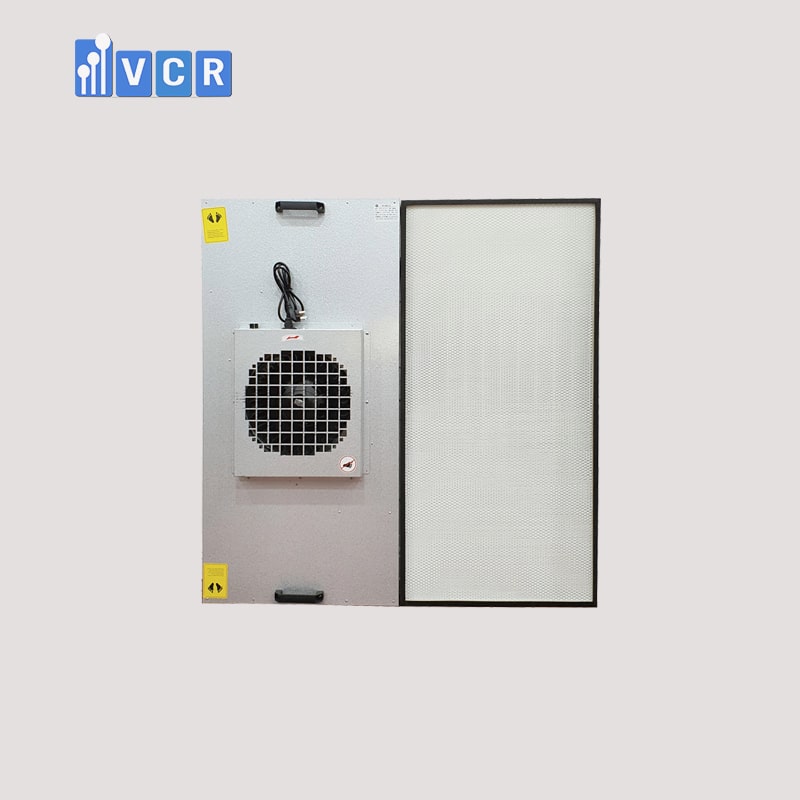
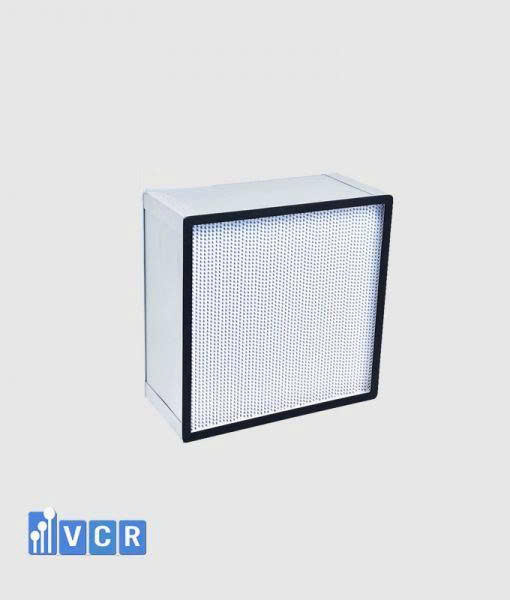
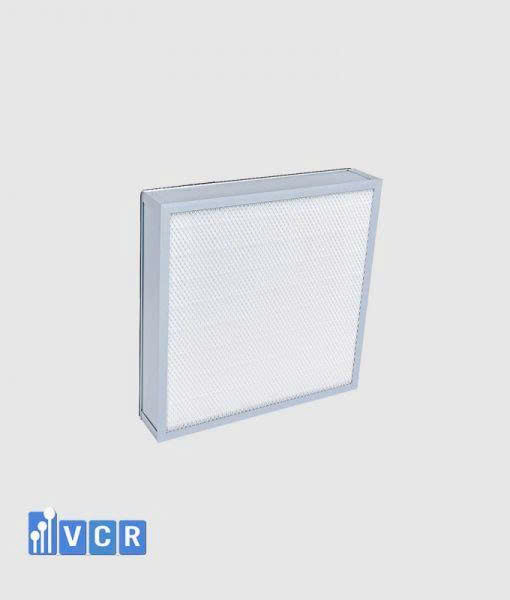
Yes; HEPA filtration is more widely applied in dietary supplement production, especially in critical zones.
Is airflow design different?
Dietary supplements may require laminar airflow in more areas to control contamination.
Are pressure differentials different?
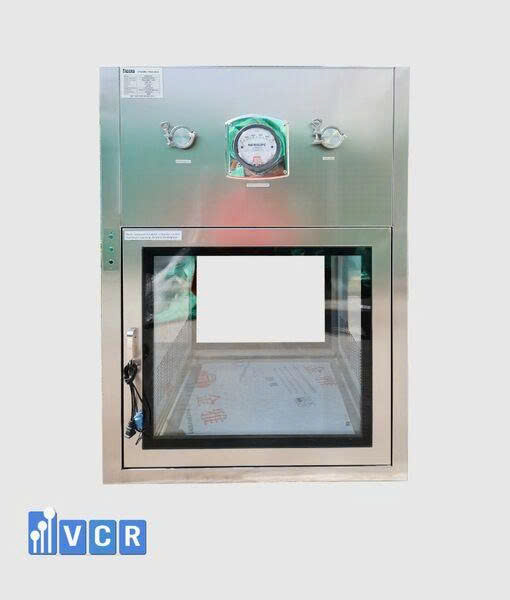
Yes; stricter pressure control is required to prevent cross-contamination.
Is monitoring different?
Yes; dietary supplement cleanrooms require more detailed and continuous monitoring, including microbial parameters.
Are SOPs different?
Yes; SOPs are more detailed and strictly enforced, similar to pharmaceutical operations.
Is cleaning different?
Yes; cleaning and disinfection procedures are more stringent.
Is data traceability different?
Yes; dietary supplements require full traceability for quality assurance.
Is auditing different?
Yes; audits are typically more rigorous, especially for export markets.
What are common mistakes?
Applying conventional food standards to dietary supplements, which is insufficient.
What is the most important factor?
Understanding product characteristics and risk level.
How does a dietary supplement cleanroom differ from a conventional food cleanroom?
A dietary supplement cleanroom differs by requiring stricter control of particles, microorganisms, and operational processes. It typically uses higher ISO classifications (ISO 7 or ISO 5), stricter GMP requirements, and more detailed monitoring systems. It also demands stronger data traceability and SOP enforcement. The goal is to ensure biological activity, product stability, and safety, whereas conventional food cleanrooms focus primarily on basic hygiene and contamination control. The key difference lies in the depth and rigor of control rather than the presence of equipment.
Duong VCR