- What is ISO 6?
- Is ISO 6 common in food production?
- Why is ISO 6 usually unnecessary?
- When might ISO 6 be required?
- Can ISO 6 replace ISO 5?
- Is ISO 6 used in aseptic processing?
- Is ISO 6 suitable for packaging areas?
- Is ISO 6 needed for dietary supplements?
- Does HACCP require ISO 6?
- Does GMP require ISO 6?
- What is the cost impact of ISO 6?
- How does ISO 6 affect HVAC design?
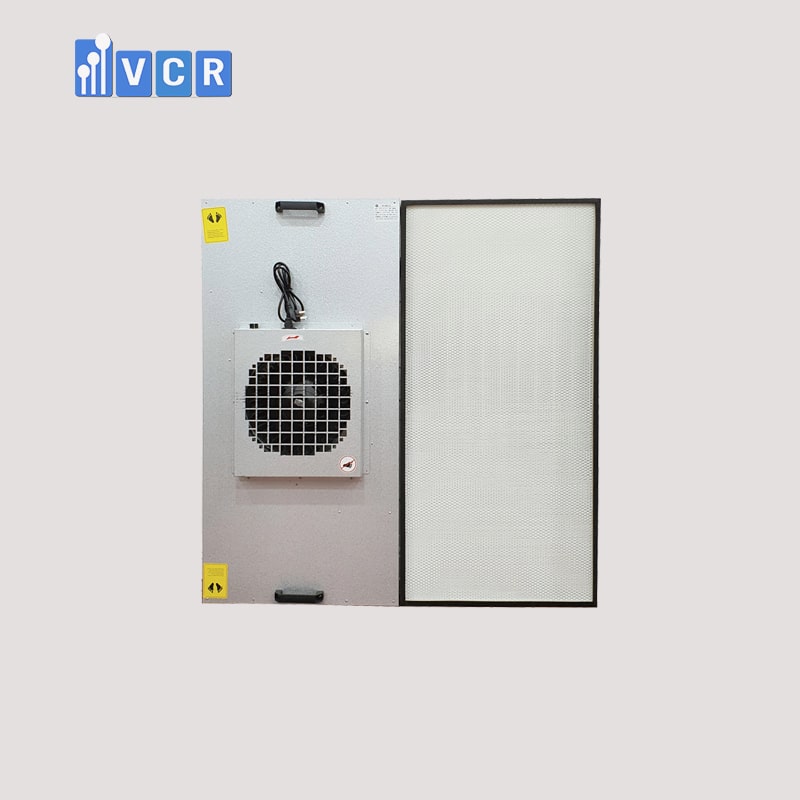
- Are HEPA/ULPA filters required?
- Is laminar airflow required?
- Is advanced monitoring required?
- What are common mistakes?
- Should ISO 6 be used for extra safety?
- What is the key decision factor?
- Is ISO 6 required for food production?
From the perspective of “VCR cleanroom equipment,” ISO 6 is not a default target—it is an extreme solution used only when microbial risk reaches a very high level.
What is ISO 6?
ISO 6 is an air cleanliness classification defined by International Organization for Standardization 14644, with significantly stricter particle limits than ISO 7 and ISO 8.
Is ISO 6 common in food production?
No; ISO 8 and ISO 7 are the most commonly used levels in the food industry. ISO 6 is rarely applied.
Why is ISO 6 usually unnecessary?
Because:
- It involves very high capital and operational costs
- Most food products do not require such a high level of control
- HACCP-based systems can effectively manage risks without it
When might ISO 6 be required?
In special cases such as:
- Extremely sensitive products
- Processes approaching pharmaceutical standards
- Situations requiring very high contamination control but not full aseptic ISO 5
Can ISO 6 replace ISO 5?
No; for true aseptic conditions, ISO 5 is required. ISO 6 is only an intermediate level.
Is ISO 6 used in aseptic processing?
Rarely; aseptic operations typically require ISO 5 at critical points.
Is ISO 6 suitable for packaging areas?
Generally no; ISO 7 is sufficient for most food packaging applications.
Is ISO 6 needed for dietary supplements?
Only in specific cases where control requirements approach pharmaceutical standards.
Does HACCP require ISO 6?
No; HACCP is risk-based and does not mandate a specific ISO class.
Does GMP require ISO 6?
No; GMP focuses on operational and hygienic conditions rather than fixed ISO levels.
What is the cost impact of ISO 6?
Very high:
- Increased capital expenditure (CAPEX)
- Higher operating costs (OPEX)
- More complex maintenance
How does ISO 6 affect HVAC design?
It requires:
- Higher airflow rates
- Multi-stage filtration
- Precise airflow control
Are HEPA/ULPA filters required?
Yes; high-efficiency HEPA or even ULPA filters are typically needed.
Is laminar airflow required?
In many cases, yes, to achieve the required level of control.
Is advanced monitoring required?
Yes; more detailed and continuous monitoring is necessary.
What are common mistakes?
Selecting ISO 6 simply to achieve “higher cleanliness” without risk-based justification.
Should ISO 6 be used for extra safety?
No; higher classification does not always mean better effectiveness. Optimization is key.
What is the key decision factor?
Risk assessment based on product and process requirements.
Is ISO 6 required for food production?
In most cases, ISO 6 is not required for food production. ISO 8 and ISO 7 are sufficient for effective contamination control. ISO 6 should only be considered in special situations where products demand extremely high microbial control or processes approach pharmaceutical standards. The decision must be based on HACCP risk analysis and a balance between control needs and cost, rather than pursuing the highest cleanliness level by default.
Duong VCR