- What is ISO 7?
- When is ISO 8 no longer sufficient?
- When do products require ISO 7?
- When should packaging areas be upgraded?
- How does HACCP influence the decision?
- When do audits require ISO 7?
- When is ISO 7 needed for export?
- When does aging infrastructure require upgrading?
- When expanding product lines?
- When monitoring data indicates issues?
- When microbial limits are exceeded?
- When HEPA alone is not sufficient?
- When airflow is ineffective?
- When pressure control is unstable?
- When SOPs are insufficient?
- When failure costs exceed upgrade costs?
- Should the entire facility be upgraded?
- What are common mistakes?
- What is the key decision factor?
- When should a food cleanroom be upgraded to ISO 7?
From the perspective of “VCR cleanroom equipment,” upgrading ISO class is not just about higher cleanliness—it is about improving contamination control at critical points.
What is ISO 7?
ISO 7 is an air cleanliness classification defined by International Organization for Standardization 14644, with significantly lower particle limits than ISO 8, enabling tighter environmental control.
When is ISO 8 no longer sufficient?
When you observe:
- Increased microbial contamination
- Product quality failures
- Unstable shelf life
- Higher audit requirements
These are indicators that tighter control is needed.
When do products require ISO 7?
- Sensitive products (e.g., powdered milk, nutraceuticals)
- Ready-to-eat (RTE) foods
- Export-oriented products
These require stricter microbial control.
When should packaging areas be upgraded?
When:
- Products are sterilized before packaging
- No further processing occurs after packaging
- Risk of recontamination is high
Packaging is a critical control point.
How does HACCP influence the decision?
If HACCP identifies an area as a CCP or high-risk zone, upgrading to ISO 7 may be necessary.
When do audits require ISO 7?
When customers or certification bodies demand higher environmental control to meet market standards.
When is ISO 7 needed for export?
When exporting to markets with strict microbiological requirements (EU, US, Japan).
When does aging infrastructure require upgrading?
When existing HVAC or layout cannot maintain stable environmental control.
When expanding product lines?
When introducing more sensitive products that require stricter conditions.
When monitoring data indicates issues?
When monitoring shows:
- Large fluctuations
- Frequent deviations
- Negative trends
When microbial limits are exceeded?
This is one of the clearest signals that an upgrade is needed.
When HEPA alone is not sufficient?
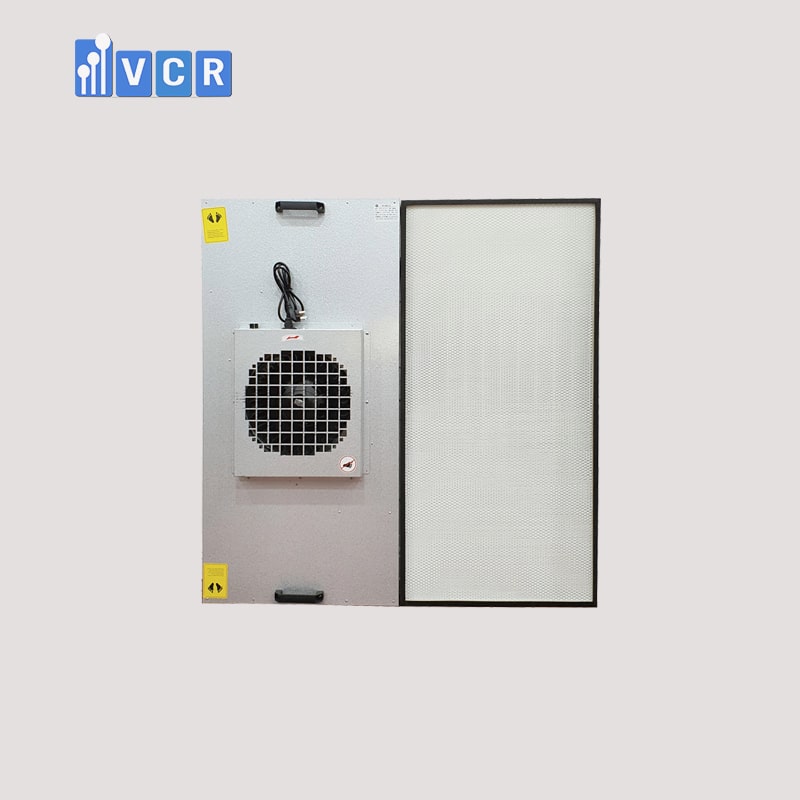
When HEPA filters are installed but environmental quality is still not achieved—system-level upgrade is required.
When airflow is ineffective?
When turbulence, dead zones, or cross-contamination are observed.
When pressure control is unstable?
When the pressure cascade cannot be maintained.
When SOPs are insufficient?
When procedures are followed but contamination still occurs.
When failure costs exceed upgrade costs?
When losses from product rejection or recalls exceed investment costs.
Should the entire facility be upgraded?
Not necessarily; typically only critical zones such as:
- Packaging
- Filling
- High-risk processing areas
What are common mistakes?
Upgrading based on assumptions instead of data and HACCP analysis.
What is the key decision factor?
Risk assessment based on product and process requirements.
When should a food cleanroom be upgraded to ISO 7?
A food cleanroom should be upgraded to ISO 7 when ISO 8 can no longer ensure adequate microbial and contamination control, especially in post-sterilization packaging or areas identified as CCPs in HACCP. Key triggers include sensitive products, export requirements, non-compliant monitoring results, and audit demands. The upgrade must be based on risk analysis and implemented through integrated improvements in HVAC, HEPA filtration, airflow design, and pressure control to ensure stable and effective environmental control.
Duong VCR