- Is a cleanroom required for beverage production?
- When does a cleanroom become necessary?
- Why are beverages prone to microbial contamination?
- What is the role of a cleanroom in beverage production?
- Which standards apply?
- What ISO class is suitable?
- Is a cleanroom needed for the entire facility?
- What is the role of HVAC?
- Are HEPA filters required?
- How should airflow be designed?
- What pressure differential is required?
- Is monitoring required?
- What is the role of SOPs?
- Are enhanced cleaning procedures required?
- What are common mistakes?
- Should the highest ISO class always be used?
- What is the key decision factor?
- Is a cleanroom required for beverage production?
From the perspective of “VCR cleanroom equipment,” the real question is not whether a cleanroom is needed, but where and to what level it should be applied—because risk is concentrated at specific stages.
Is a cleanroom required for beverage production?
Not always. Many traditional beverage processes operate under controlled but non-cleanroom environments. However, in modern high-quality production—especially bottling and aseptic filling—cleanrooms are widely used and often essential.
When does a cleanroom become necessary?
Cleanrooms are typically required in:
- Aseptic filling processes
- Post-UHT (sterilized) products
- Functional or nutraceutical beverages
- Premium bottled water
- Export-oriented production with strict standards
These stages involve products that are highly vulnerable before sealing.
Why are beverages prone to microbial contamination?
Beverages contain high water activity and nutrients, making them ideal for microbial growth. Even minimal contamination can:
- Spoil entire batches
- Reduce shelf life
- Create safety risks
What is the role of a cleanroom in beverage production?
A cleanroom does not sterilize the product—it protects it by:
- Preventing recontamination after sterilization
- Controlling airborne particles and microorganisms
- Maintaining stable packaging conditions
It acts as the final protective barrier before sealing.
Which standards apply?
Commonly combined standards include:
- International Organization for Standardization 14644: air cleanliness classification
- HACCP: hazard analysis
- GMP: manufacturing practices
- ISO 22000: food safety management
No single standard is sufficient on its own.
What ISO class is suitable?
Typical zoning includes:
- ISO 8: general production areas
- ISO 7: controlled packaging zones
- ISO 5: aseptic filling areas
The key is proper zoning, not uniform classification.
Is a cleanroom needed for the entire facility?
No; only critical areas such as:
- Filling
- Capping
- Packaging
Other areas can operate with standard HVAC control.
What is the role of HVAC?
HVAC is the backbone of the cleanroom system, providing:
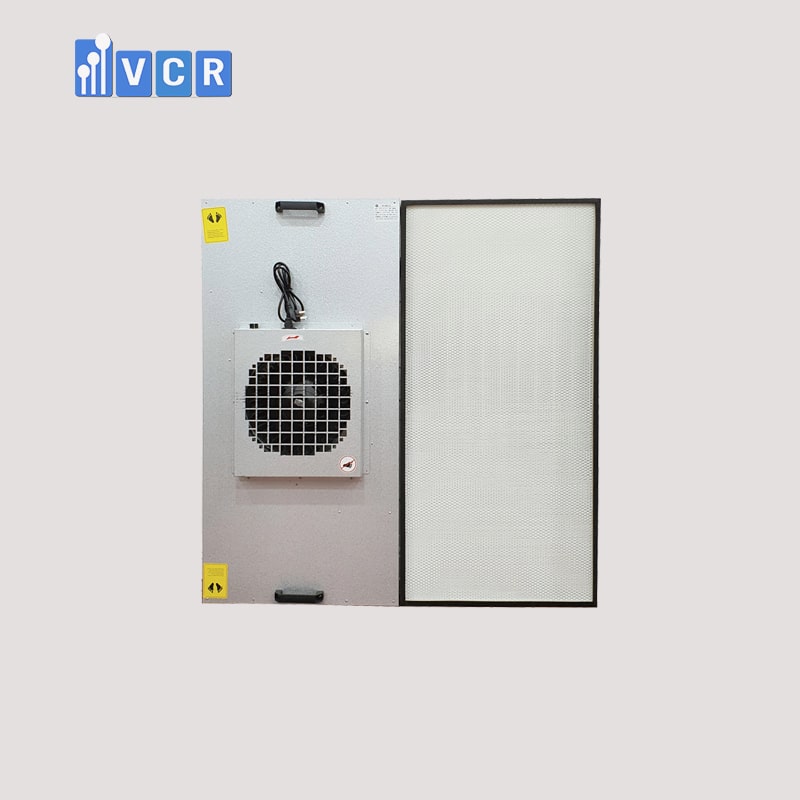
- Multi-stage air filtration (HEPA where required)
- Temperature and humidity control
- Airflow and pressure differential management
Without stable HVAC, cleanroom performance cannot be maintained.
Are HEPA filters required?
Yes, especially in sensitive or aseptic packaging areas. HEPA filtration reduces airborne microbial load.
How should airflow be designed?
Airflow must:
- Move from clean to less clean areas
- Avoid turbulence and dead zones
- Use laminar flow at critical filling points
This directly impacts contamination control effectiveness.
What pressure differential is required?
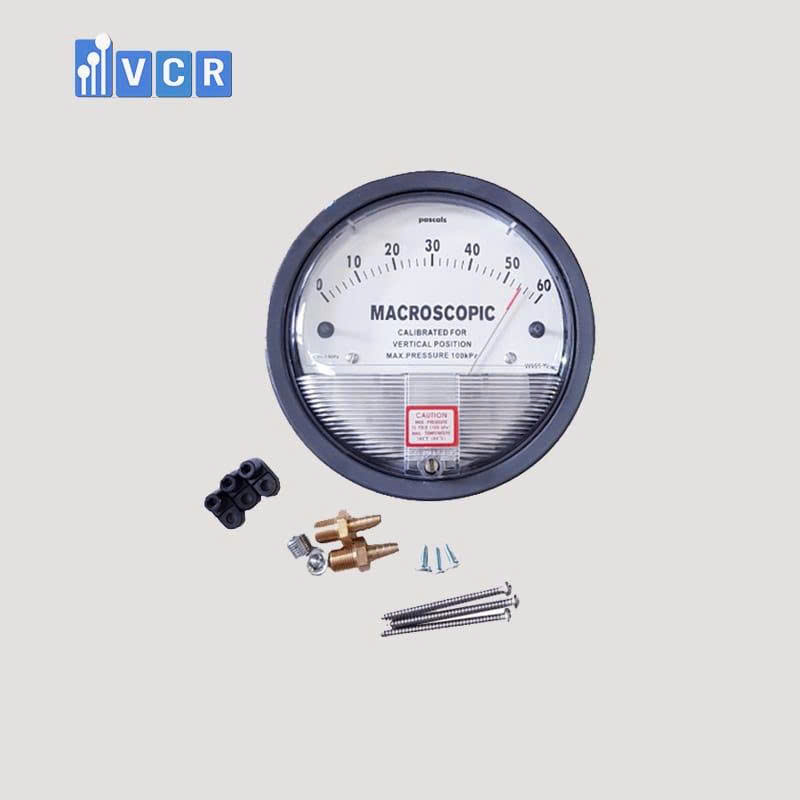
Typically 10–15 Pa between adjacent areas, forming a stable pressure cascade.
Is monitoring required?
Yes; continuous monitoring of:
- Temperature
- Humidity
- Pressure differential
- Particle levels
- Microbial levels (periodic)
Monitoring provides operational assurance.
What is the role of SOPs?
SOPs ensure:
- Consistent operation
- Correct procedures
- Traceability
Without SOPs, control systems are ineffective.
Are enhanced cleaning procedures required?
Yes; packaging zones require stricter cleaning and disinfection compared to general production areas.
What are common mistakes?
- Not applying cleanrooms to packaging areas
- Selecting insufficient ISO class for sensitive products
- Focusing on equipment without proper operation
- Ignoring HACCP integration
Should the highest ISO class always be used?
No; excessive classification increases cost without added value. Optimization based on risk is essential.
What is the key decision factor?
HACCP-based risk assessment:
- Product type
- Process
- Market requirements
- Shelf life
Is a cleanroom required for beverage production?
A cleanroom is not always required for beverage production, but it becomes essential in critical stages such as post-sterilization and aseptic packaging. The decision must be based on HACCP risk assessment and product sensitivity. When properly designed according to ISO 14644 and integrated with HVAC, HEPA filtration, airflow, pressure control, and monitoring, a cleanroom provides a stable environment that protects products at their most vulnerable stage, ensuring quality and safety throughout the product lifecycle.
Duong VCR