- What is contamination in food production?
- What are the main contamination sources?
- How to control personnel-related contamination?
- How to control airborne contamination?
- How to control equipment-related contamination?
- How to control raw material contamination?
- How to control process-related contamination?
- Which standards should be applied?
- What is the role of cleanrooms?
- Are HEPA filters necessary?
- How important is airflow?
- What is the role of pressure differentials?
- Is monitoring required?
- Are SOPs necessary?
- What is the role of cleaning?
- Is training required?
- What are common mistakes?
- Can contamination be completely eliminated?
- What is the most important factor?
- How to reduce contamination risk in food production?
From the perspective of “VCR cleanroom equipment,” contamination does not occur randomly—it always originates from identifiable sources. Effective control means managing those sources systematically.
What is contamination in food production?
Contamination is the introduction of microorganisms, particles, chemicals, or foreign objects into food during production, affecting safety and quality.
What are the main contamination sources?
- Personnel
- Air
- Equipment
- Raw materials
- Process
These five sources must be controlled comprehensively.
How to control personnel-related contamination?
- Hygiene training
- Cleanroom garments
- Behavioral control
Personnel are the largest contamination source.
How to control airborne contamination?
- HVAC systems
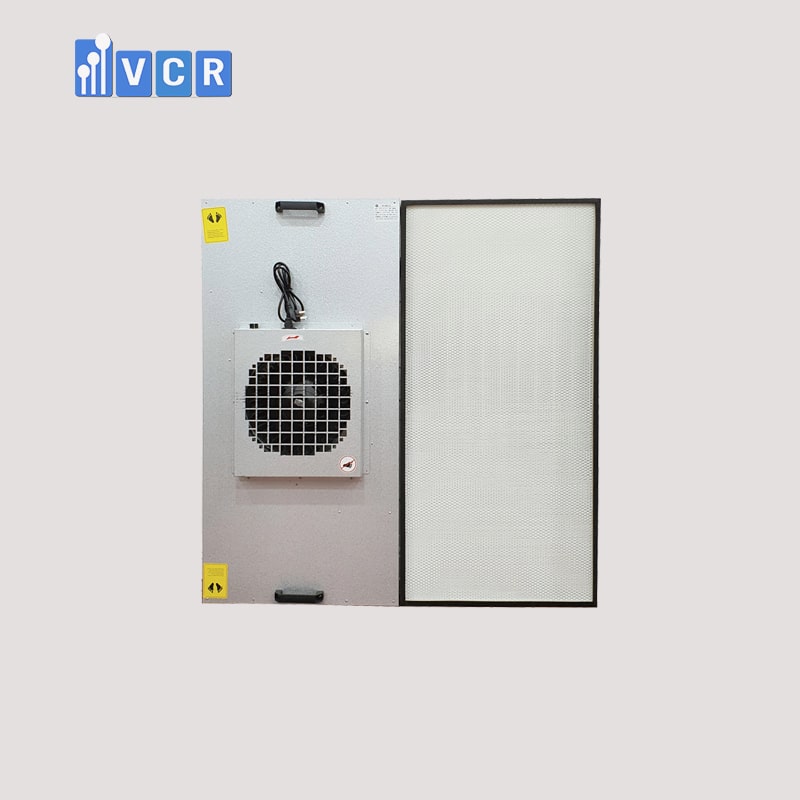
- Air filtration (HEPA where required)
- Proper airflow design
How to control equipment-related contamination?
- Regular cleaning
- Hygienic design
- Preventive maintenance
How to control raw material contamination?
- Incoming inspection
- Qualified suppliers
- Proper storage conditions
How to control process-related contamination?
- Implement HACCP
- Identify CCPs
- Define control limits
Which standards should be applied?
Standards such as International Organization for Standardization 14644, HACCP, GMP, and ISO 22000 should be integrated.
What is the role of cleanrooms?
Cleanrooms control environmental contamination, particularly airborne risks.
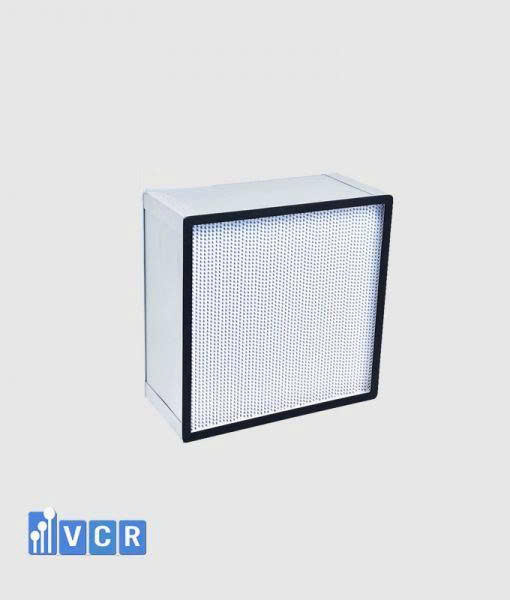
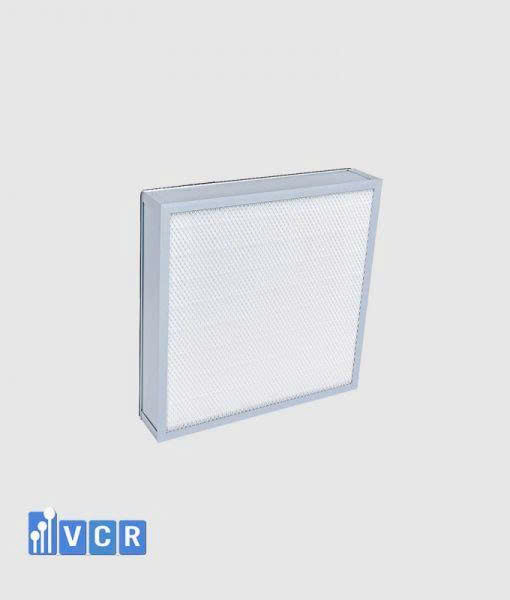
Are HEPA filters necessary?
Yes, in critical areas to remove particles and microorganisms.
How important is airflow?
Critical; airflow determines how particles and microorganisms move within the space.
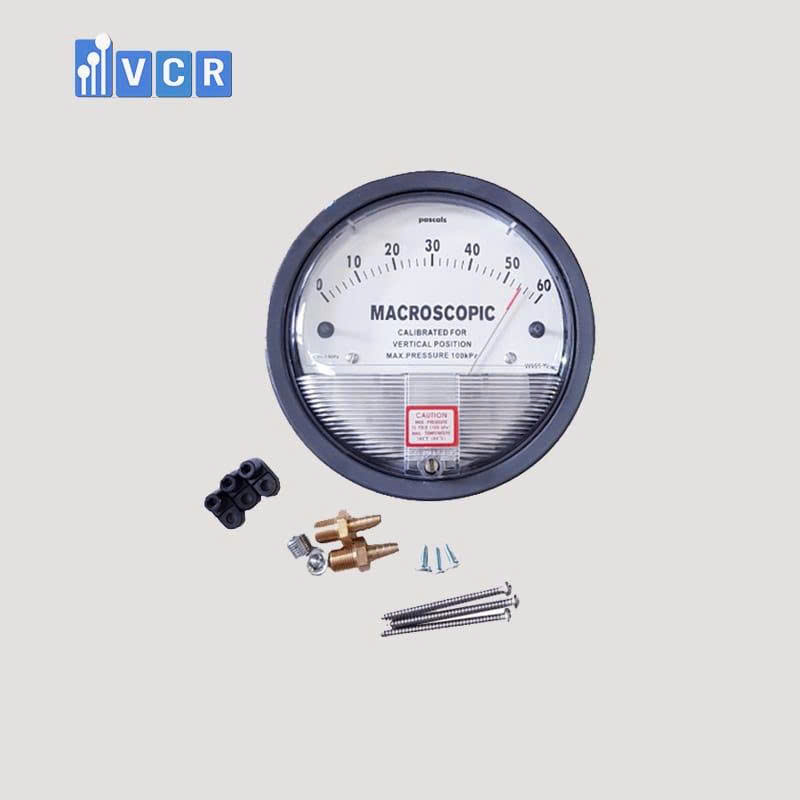
What is the role of pressure differentials?
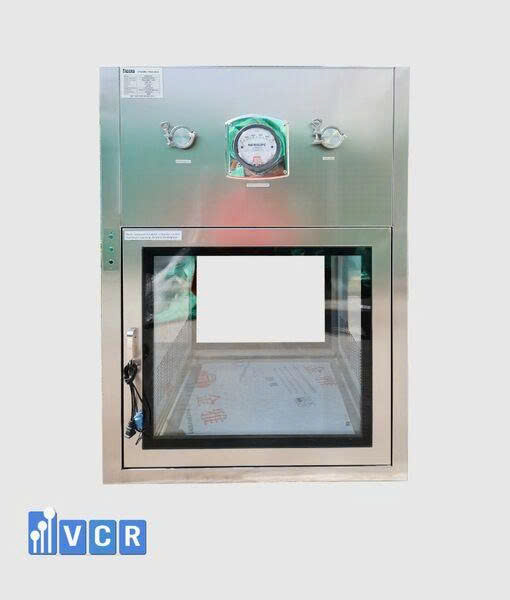
They control airflow direction between zones and prevent cross-contamination.
Is monitoring required?
Yes; monitoring detects deviations early.
Are SOPs necessary?
Yes; SOPs ensure consistent and controlled operations.
What is the role of cleaning?
Cleaning directly reduces microbial and particle contamination.
Is training required?
Yes; personnel must understand and follow the system.
What are common mistakes?
Focusing on a single factor instead of the entire system.
Can contamination be completely eliminated?
No; the goal is to control it within acceptable limits.
What is the most important factor?
Integrated control of all contamination sources.
How to reduce contamination risk in food production?
To reduce contamination risk, a comprehensive control system must be implemented, addressing personnel, air, equipment, raw materials, and processes. This includes applying standards such as ISO 14644, HACCP, GMP, and ISO 22000; using HVAC systems, HEPA filtration, airflow design, and pressure control for environmental management; and integrating monitoring, SOPs, and regular cleaning. The objective is not to eliminate contamination entirely, but to control it within acceptable limits to ensure food safety and consistent product quality.
Duong VCR