- What does cost optimization mean?
- What is the biggest cost-related mistake?
- What is the key principle?
- How does HACCP support cost optimization?
- Is a full cleanroom required?
- How does ISO classification affect cost?
- How to optimize HVAC?
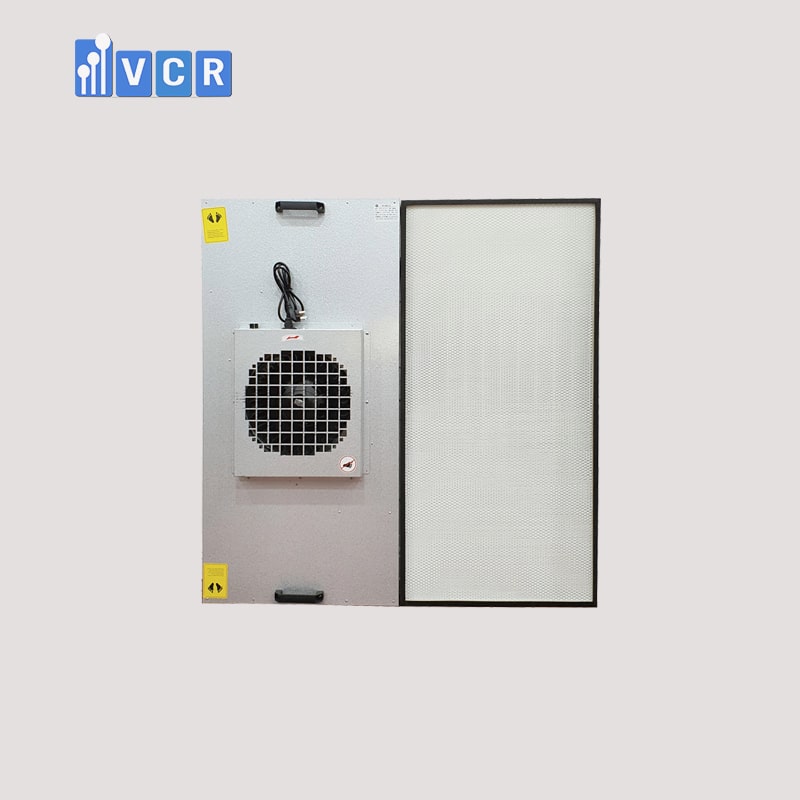
- Are HEPA filters required everywhere?
- How to optimize airflow?
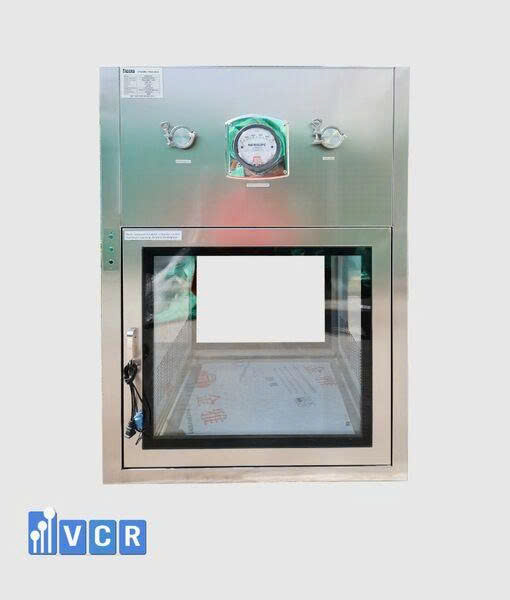
- How to optimize pressure control?
- How does layout affect cost?
- How do materials affect cost?
- How to optimize energy use?
- Does monitoring help reduce cost?
- Do SOPs reduce cost?
- How does maintenance impact cost?
- What are common mistakes?
- Should the cheapest equipment be selected?
- What is the key success factor?
- How to design a cost-optimized food cleanroom?
From the perspective of “VCR cleanroom equipment,” cleanroom cost is determined at the design stage—poor design decisions lead to long-term operational expenses.
What does cost optimization mean?
It means designing a cleanroom that meets contamination control requirements with the lowest total cost, including both capital (CAPEX) and operational (OPEX) expenses.
What is the biggest cost-related mistake?
Cutting costs in critical areas or over-investing unnecessarily. Both increase total lifecycle cost.
What is the key principle?
Risk-based design rather than aiming for the highest cleanliness level.
How does HACCP support cost optimization?
HACCP identifies critical areas, allowing investment only where necessary instead of across the entire facility.
Is a full cleanroom required?
No; only critical areas such as:
- Packaging
- Filling
- Sensitive zones
How does ISO classification affect cost?
Higher ISO classes increase cost. According to International Organization for Standardization 14644, ISO 8 or ISO 7 should be used when sufficient, avoiding unnecessary ISO 5 or ISO 6.
How to optimize HVAC?
- Proper sizing
- Avoid oversizing
- Use variable speed drives (VSD)
- Optimize airflow rates
HVAC is the largest cost component.
Are HEPA filters required everywhere?
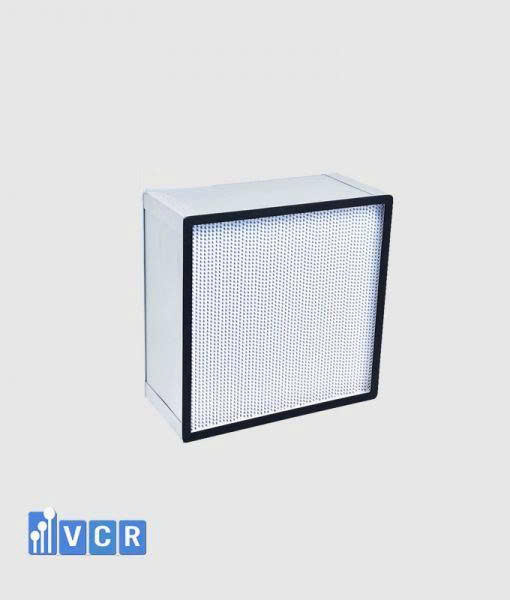
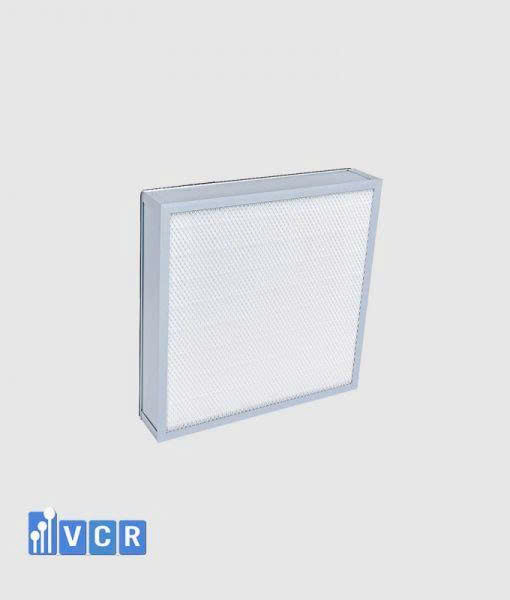
No; use HEPA only in critical areas to reduce cost.
How to optimize airflow?
Efficient airflow design reduces required air volume and operating cost.
How to optimize pressure control?
Design an effective pressure cascade to avoid unnecessary energy consumption.
How does layout affect cost?
A good layout:
- Reduces cleanroom area
- Minimizes equipment
- Avoids cross-traffic
How do materials affect cost?
Select appropriate materials—avoid over-specification when not needed.
How to optimize energy use?
- Air recirculation
- Efficient HVAC operation
- Reduced thermal load
Does monitoring help reduce cost?
Yes; early detection of deviations reduces product loss.
Do SOPs reduce cost?
Yes; consistent operation minimizes errors and waste.
How does maintenance impact cost?
Proper maintenance:
- Extends system life
- Reduces downtime
What are common mistakes?
- Designing based on assumptions
- Copying other projects
- Ignoring OPEX
Should the cheapest equipment be selected?
No; balance initial cost with long-term performance.
What is the key success factor?
Integrated design combining engineering and operations.
How to design a cost-optimized food cleanroom?
Cost optimization requires a risk-based approach using HACCP to define critical areas, applying cleanroom environments only where necessary, and selecting appropriate ISO classifications rather than the highest level. HVAC, airflow, and pressure systems must be optimized to reduce energy consumption, while HEPA filtration should be used selectively. Efficient layout design minimizes space and equipment needs. Integration of monitoring, SOPs, and maintenance ensures low operational costs. The goal is to achieve effective contamination control with the lowest total lifecycle cost, not just the lowest initial investment.
Duong VCR