- What is a HEPA filter?
- Are HEPA filters mandatory in food production?
- When are HEPA filters needed?
- What is the role of HEPA?
- Are HEPA filters linked to standards?
- Do HEPA filters control microorganisms?
- Can HEPA replace HACCP?
- Can HEPA replace GMP?
- How is HEPA related to HVAC?
- Are HEPA filters sufficient to create a cleanroom?
- Do HEPA filters increase cost?
- Do HEPA filters require maintenance?
- Do HEPA filters require testing?
- Do HEPA filters affect airflow?
- Are HEPA filters required for ISO 8?
- Are HEPA filters required for ISO 7?
- Are HEPA filters required for ISO 5?
- What are common mistakes with HEPA?
- What is more important than HEPA?
- Are HEPA filters necessary in food production?
From the perspective of “VCR cleanroom equipment,” HEPA is not a default requirement—it is a technical solution that must be applied at the right place, at the right level, for the right purpose.
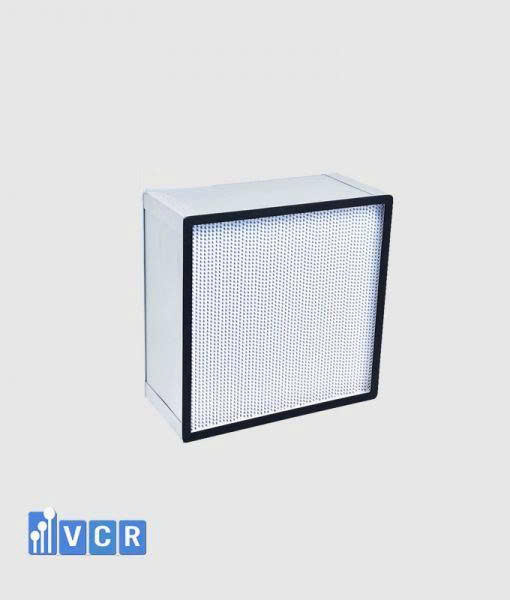
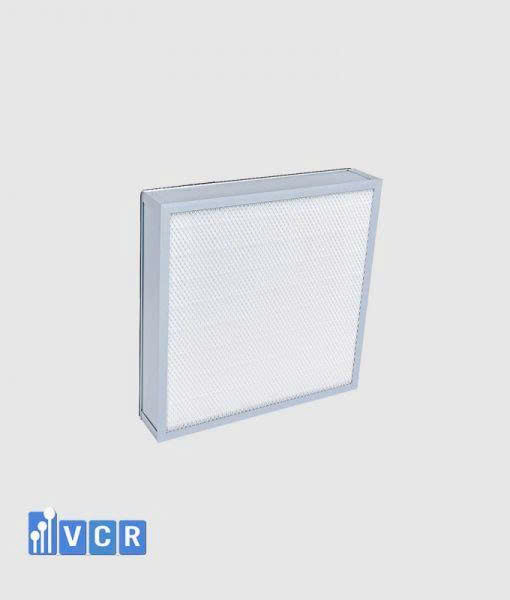
What is a HEPA filter?
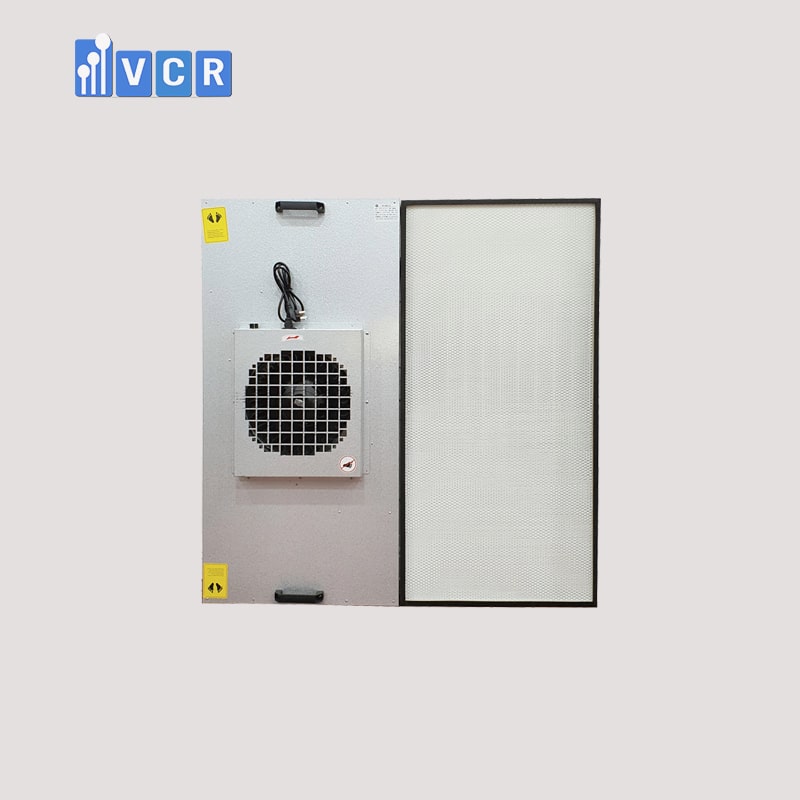
HEPA (High Efficiency Particulate Air) filters remove at least 99.97% of particles at 0.3 µm. They are used in cleanrooms to ensure clean supply air. HEPA is a key component of HVAC systems.
Are HEPA filters mandatory in food production?
Not in all cases; many standard food processing facilities operate without HEPA. However, for high-sensitivity products or strict hygiene requirements, HEPA is often necessary.
When are HEPA filters needed?
For nutraceuticals, powdered milk, ready-to-eat foods, or export products. They are also commonly used in packaging and final processing areas where contamination risk is highest.
What is the role of HEPA?
HEPA removes airborne particles and microorganisms, reducing contamination risk. It acts as the final filtration stage before air enters controlled environments.
Are HEPA filters linked to standards?
Yes; HEPA is commonly used to meet air cleanliness requirements defined by International Organization for Standardization 14644. It is a technical means to achieve ISO classifications.
Do HEPA filters control microorganisms?
Yes; by removing particles that carry microorganisms. However, contamination can also come from personnel and surfaces, so additional controls are required.
Can HEPA replace HACCP?
No; HEPA controls air quality, while HACCP controls process hazards. They serve different roles.
Can HEPA replace GMP?
No; GMP is a comprehensive system covering facilities, processes, and personnel. HEPA is only one component.
How is HEPA related to HVAC?
HEPA filters are integrated into HVAC systems. Supply air passes through HEPA before entering the cleanroom.
Are HEPA filters sufficient to create a cleanroom?
No; they must be combined with proper airflow, pressure control, and enclosure design. HEPA alone is not enough.
Do HEPA filters increase cost?
Yes; they add capital and operating costs due to pressure drop and replacement requirements. Proper selection is important.
Do HEPA filters require maintenance?
Yes; regular replacement and performance checks are necessary to maintain efficiency.
Do HEPA filters require testing?
Yes; DOP/PAO testing is used to verify filter integrity and performance. This is a key requirement.
Do HEPA filters affect airflow?
Yes; they create resistance, so HVAC systems must be designed accordingly.
Are HEPA filters required for ISO 8?
Not always; ISO 8 can sometimes be achieved with medium filtration. However, HEPA provides higher safety margins.
Are HEPA filters required for ISO 7?
Typically yes; HEPA is commonly used to ensure stable air cleanliness.
Are HEPA filters required for ISO 5?
Yes; ISO 5 always requires HEPA or ULPA filtration. This is a fundamental requirement.
What are common mistakes with HEPA?
Installing HEPA everywhere unnecessarily or failing to maintain filters properly; both increase cost and reduce effectiveness.
What is more important than HEPA?
Overall system design—HVAC, airflow, pressure control, and SOPs. HEPA is only effective within an integrated system.
Are HEPA filters necessary in food production?
HEPA filters are not always mandatory, but they are essential in high-risk areas such as packaging, sensitive products, or export production. Their use should be based on risk assessment, applicable standards, and quality objectives. When properly integrated into HVAC systems, HEPA significantly reduces contamination risk and improves environmental stability.
Duong VCR