- What are particles in a food cleanroom?
- Why is particle control necessary?
- Is particle control mandatory?
- Which standard defines particle limits?
- How are particles related to microorganisms?
- How do cleanrooms control particles?
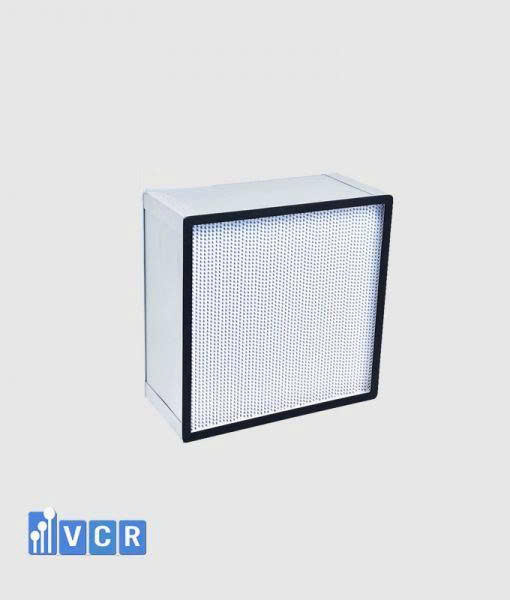
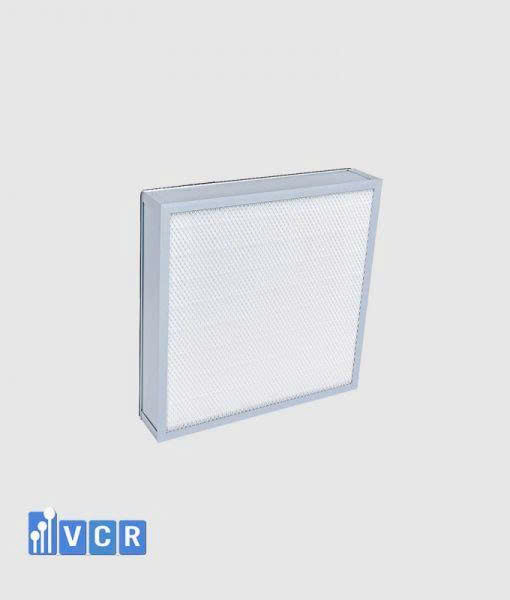
- What is the role of HEPA filters?
- How does HVAC influence particle control?
- What is the role of airflow?
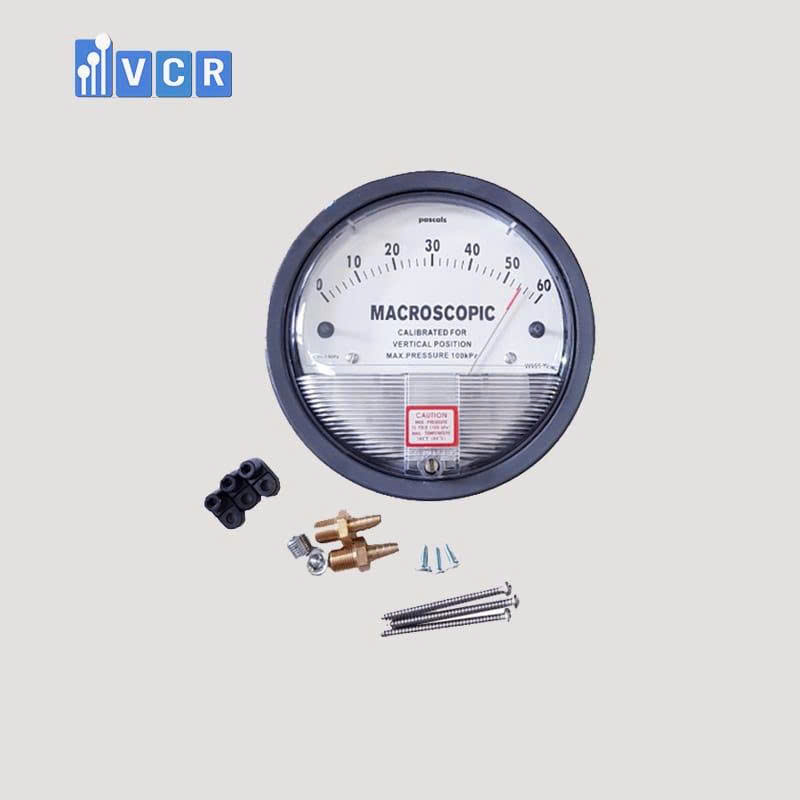
- Why are pressure differentials important?
- How do personnel generate particles?
- How do cleanroom garments help?
- Is particle monitoring required?
- How often should testing be done?
- How do particles affect product quality?
- Can particles be completely eliminated?
- What are common mistakes?
- What is the most important factor in particle control?
- Do food cleanrooms need particle control?
From the perspective of “VCR cleanroom equipment,” effective microbial control starts with particle control—because most airborne microorganisms travel attached to particles.
What are particles in a food cleanroom?
Particles are solid or liquid substances suspended in air, ranging from a few microns to submicron sizes. In food production, particles can carry bacteria, yeast, mold, or chemical contaminants. When they settle on product surfaces, they become a direct contamination source.
Why is particle control necessary?
Particles cause physical contamination and act as carriers for microorganisms. Even small amounts can spoil products or reduce shelf life. Controlling particles reduces contamination risk at its source.
Is particle control mandatory?
Yes; particle control is a fundamental requirement in all cleanroom environments. The level of control depends on product type and risk level.
Which standard defines particle limits?
The International Organization for Standardization 14644 standard defines allowable particle concentrations for different cleanliness classes. It is the primary reference for cleanroom design.
How are particles related to microorganisms?
Airborne microorganisms typically attach to particles. Reducing particle counts directly reduces microbial load.
How do cleanrooms control particles?
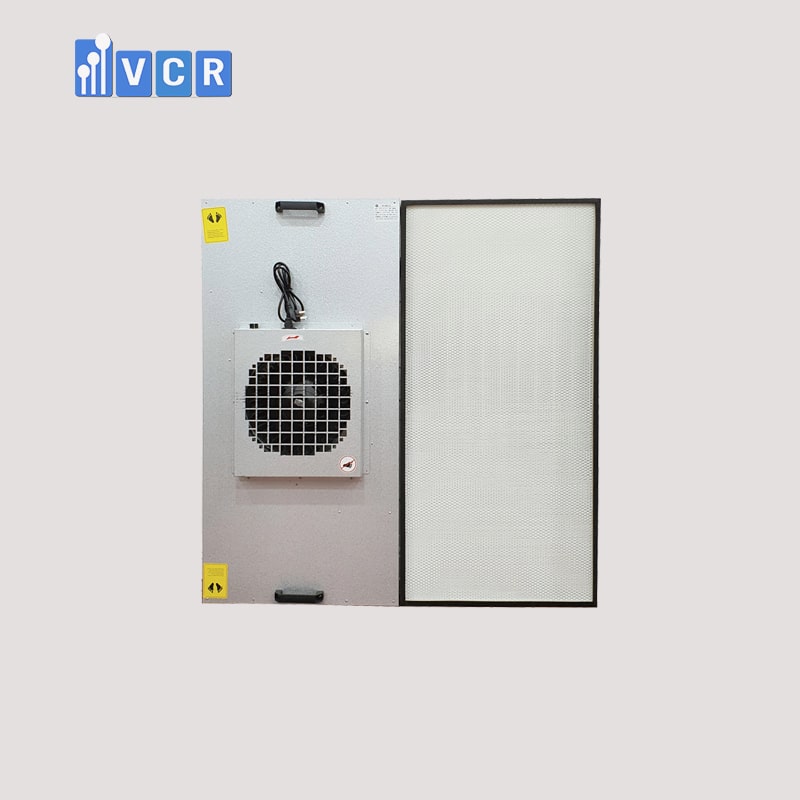
Through HVAC systems with multi-stage filtration (pre-filter → medium → HEPA), combined with controlled airflow and pressure differentials. Air is continuously circulated and cleaned.
What is the role of HEPA filters?
HEPA filters are the final filtration stage, removing ≥99.97% of 0.3 µm particles. They are essential for achieving and maintaining cleanliness levels.
How does HVAC influence particle control?
HVAC regulates airflow volume, temperature, and humidity, which affect particle behavior and distribution. Stable systems maintain consistent particle levels.
What is the role of airflow?
Airflow determines how particles move. Proper design ensures air flows from clean to less clean areas, with ceiling supply and low-level return to remove particles efficiently.
Why are pressure differentials important?
They maintain directional airflow between zones, preventing contaminated air from entering cleaner areas.
How do personnel generate particles?
Personnel are the largest particle source (skin flakes, hair, fibers). Activities such as movement and talking increase particle emission.
How do cleanroom garments help?
Special garments reduce particle shedding from the body and clothing. Proper gowning procedures are essential.
Is particle monitoring required?
Yes; particle counters are used to measure airborne particle levels and verify compliance with ISO classes.
How often should testing be done?
Frequency depends on risk level—critical areas require more frequent testing. Additional tests are needed after system changes or maintenance.
How do particles affect product quality?
They can introduce foreign matter, carry microorganisms, and compromise product safety and appearance.
Can particles be completely eliminated?
No; the goal is to maintain particle levels within acceptable limits defined by standards.
What are common mistakes?
Focusing only on microbial control while ignoring particles, increasing ACH without optimizing airflow, or failing to maintain HEPA filters.
What is the most important factor in particle control?
System integration—HVAC design, filtration, airflow, pressure control, SOPs, and maintenance must work together.
Do food cleanrooms need particle control?
Yes; particle control is essential because particles act as both physical contaminants and carriers of microorganisms. Effective control is achieved through integrated HVAC systems with HEPA filtration, proper airflow design, pressure differentials, personnel management, and continuous monitoring. The objective is to maintain particle levels within ISO 14644 limits appropriate to product risk, ensuring contamination control, product quality, and regulatory compliance.
Duong VCR