- What is ISO 5?
- Do food factories need ISO 5?
- When is ISO 5 needed in food production?
- Should ISO 5 be applied to the entire factory?
- Does ISO 5 improve product quality?
- Does ISO 5 improve microbial control?
- Can ISO 5 replace HACCP?
- Is ISO 5 related to GMP?
- Does HVAC need upgrading for ISO 5?
- Are HEPA filters sufficient for ISO 5?
- What is the role of airflow in ISO 5?
- Are pressure differentials required?
- Is continuous monitoring required?
- Is validation required?
- Does ISO 5 increase cost?
- What are common mistakes?
- Is ISO 5 suitable for all food types?
- What is more important than ISO 5?
- Do food factories need ISO 5?
From the perspective of “VCR cleanroom equipment,” ISO 5 is not a default target in food production, but a technical solution applied only when truly necessary.
What is ISO 5?
ISO 5 is a very high air cleanliness classification defined by International Organization for Standardization 14644, with extremely low particle limits. It is commonly used in pharmaceutical or sterile environments. Achieving ISO 5 requires strict control of airflow, filtration, and operation.
Do food factories need ISO 5?
No in most cases; the majority of food facilities operate effectively at ISO 7 or ISO 8. ISO 5 is only required in specific high-sensitivity areas.
When is ISO 5 needed in food production?
When producing sterile or highly sensitive products such as high-grade powdered milk, nutraceutical powders, or aseptic packaging. Even then, ISO 5 is typically applied only to critical zones.
Should ISO 5 be applied to the entire factory?
No; applying ISO 5 across the entire facility is impractical and costly. A zoning strategy is preferred: ISO 8 (processing), ISO 7 (packaging), ISO 5 (critical zones).
Does ISO 5 improve product quality?
Yes, in specific cases; but if the product does not require such a high level of cleanliness, the benefit is minimal compared to cost. Risk assessment is essential.
Does ISO 5 improve microbial control?
Yes; lower particle levels reduce airborne microbial contamination. However, microorganisms are also influenced by personnel and processes.
Can ISO 5 replace HACCP?
No; ISO 5 controls the environment, while HACCP controls process hazards. Both systems are complementary.
Is ISO 5 related to GMP?
Yes; ISO 5 can help meet GMP environmental control requirements when necessary. However, GMP does not mandate ISO 5 in all cases.
Does HVAC need upgrading for ISO 5?
Yes; ISO 5 requires highly stable and precise HVAC systems. This is the most significant cost factor.
Are HEPA filters sufficient for ISO 5?
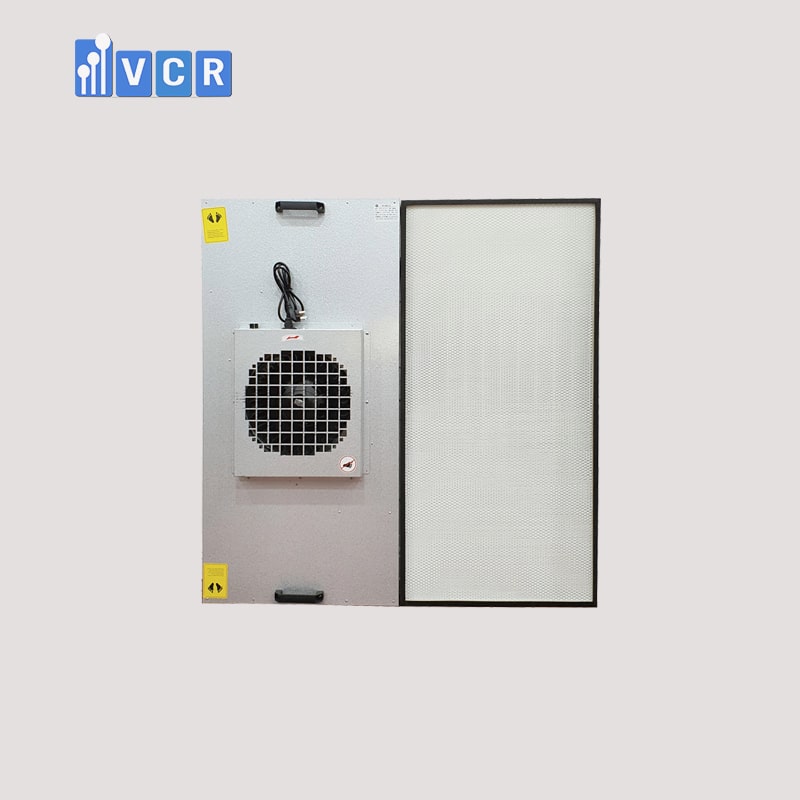
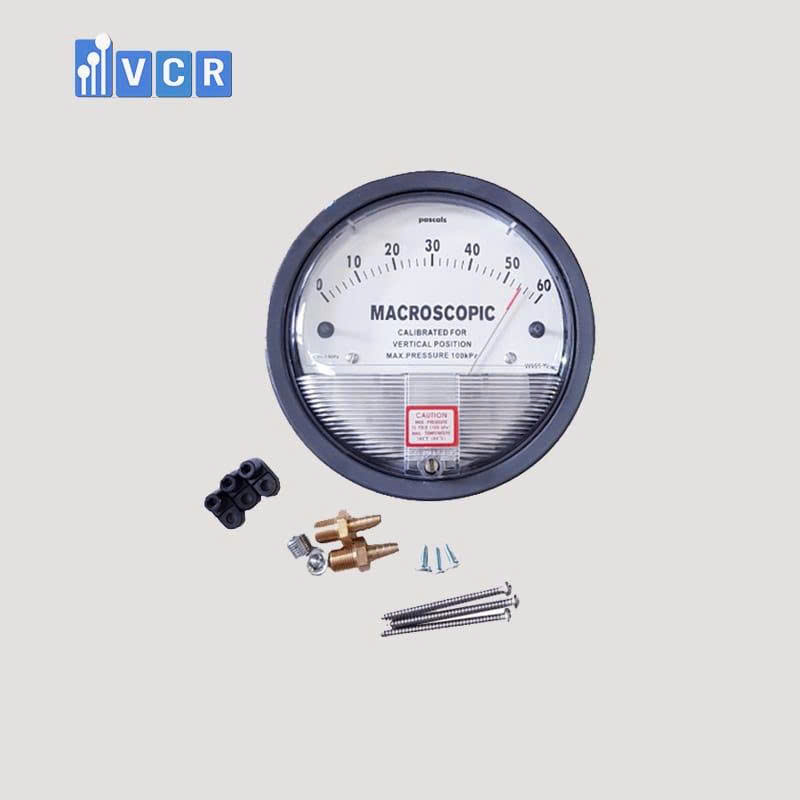
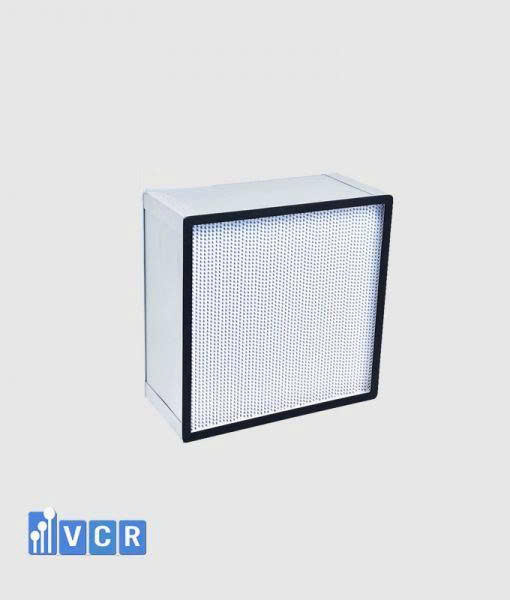
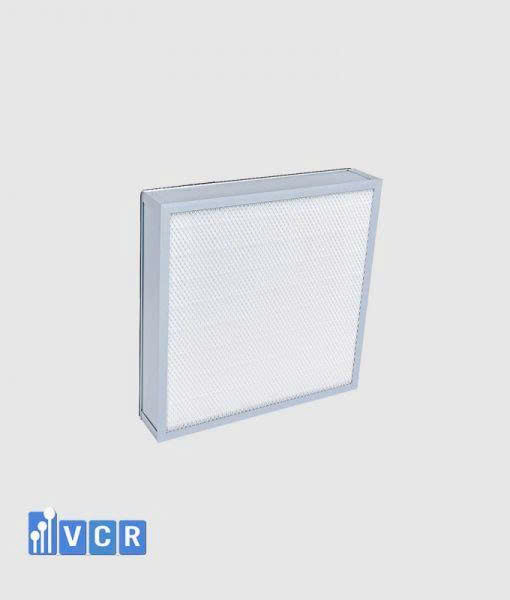
No; HEPA must be combined with laminar airflow, proper enclosure, and strict operational control. Filtration alone is not enough.
What is the role of airflow in ISO 5?
Critical; ISO 5 typically uses laminar airflow to maintain uniform, clean air distribution. It is a key design element.
Are pressure differentials required?
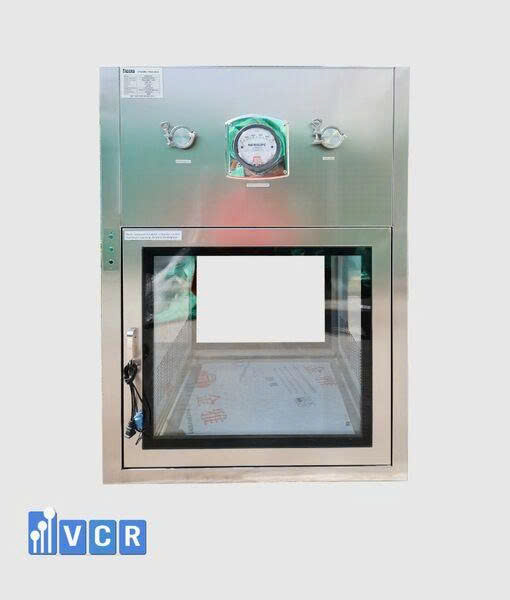
Yes; they maintain clean conditions and prevent cross-contamination. Control must be precise at ISO 5 level.
Is continuous monitoring required?
Yes; real-time monitoring of particles, pressure, temperature, and humidity is essential.
Is validation required?
Yes; particle counting and system testing are necessary to confirm compliance.
Does ISO 5 increase cost?
Significantly; both capital and operating costs are much higher than ISO 7–8. Careful evaluation is required.
What are common mistakes?
Applying ISO 5 based on trends or marketing rather than actual needs; leading to unnecessary cost.
Is ISO 5 suitable for all food types?
No; only for products with special requirements. Most food production does not need ISO 5.
What is more important than ISO 5?
An integrated system including HACCP, GMP, HVAC, and SOPs. ISO is only one part of the overall control strategy.
Do food factories need ISO 5?
In most cases, no; ISO 7 or ISO 8 is sufficient for standard food production. ISO 5 should only be applied in critical zones such as aseptic processing or highly sensitive products. The decision must be based on risk assessment, product requirements, and cost efficiency. The goal is not achieving the lowest ISO class, but ensuring appropriate and effective environmental control.
Duong VCR