- What is food GMP?
- Does GMP require cleanrooms?
- When are cleanrooms needed under GMP?
- How does GMP define environmental control?
- Is ISO related to GMP?
- Does GMP require microbial control?
- How do cleanrooms support GMP?
- What is the role of HVAC in GMP?
- Are HEPA filters required by GMP?
- Is airflow important?
- Are pressure differentials necessary?
- Does GMP require SOPs?
- Does GMP require training?
- Does GMP require monitoring?
- Does GMP require documentation?
- Is GMP related to HACCP?
- What are common misconceptions?
- Does GMP affect cost?
- What is the most important factor in GMP?
- Does food GMP require cleanrooms?
From the perspective of “VCR cleanroom equipment,” GMP does not explicitly require a “cleanroom” by definition, but it does require controlled production conditions—and cleanrooms are a key technical solution to achieve this when needed.
What is food GMP?
GMP (Good Manufacturing Practice) is a system that ensures products are consistently produced under hygienic and controlled conditions. It covers facilities, equipment, personnel, sanitation, and processes. It is a fundamental standard in global food safety systems.
Does GMP require cleanrooms?
No; GMP does not explicitly mandate cleanrooms based on ISO classification. However, it requires environmental control to prevent contamination. In many cases, cleanrooms are the most effective way to meet these requirements.
When are cleanrooms needed under GMP?
When products are highly sensitive to contamination or require strict hygiene control—such as nutraceuticals, powdered milk, ready-to-eat foods, or export products. In such cases, cleanrooms provide effective environmental control.
How does GMP define environmental control?
GMP requires control of particles, microorganisms, temperature, humidity, and airflow. The environment must be stable and suitable for the product. This is a core principle of GMP.
Is ISO related to GMP?
Yes; standards like International Organization for Standardization 14644 are often used to define air cleanliness in cleanrooms. ISO supports GMP environmental control requirements.
Does GMP require microbial control?
Yes; microorganisms are a major risk in food production. GMP requires control through sanitation, processes, and environmental management.
How do cleanrooms support GMP?
Cleanrooms control airborne contamination, reducing particles and microorganisms. They provide the physical environment needed to implement GMP controls effectively.
What is the role of HVAC in GMP?
HVAC controls temperature, humidity, and air quality. It ensures stable production conditions and supports contamination control.
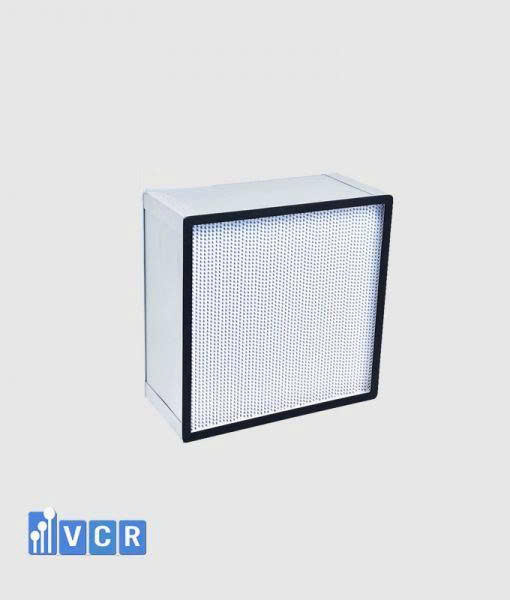
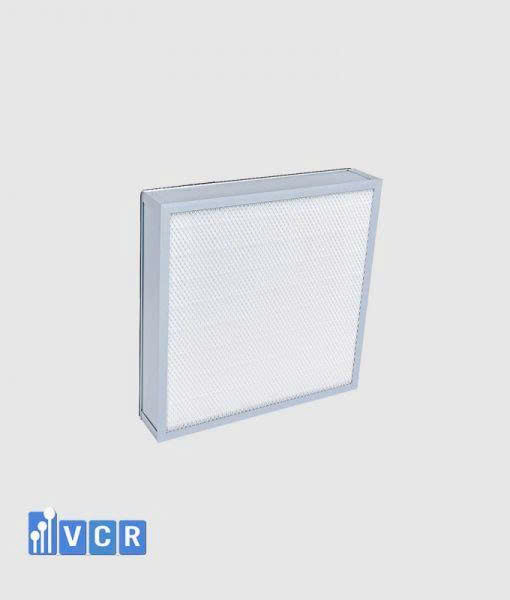
Are HEPA filters required by GMP?
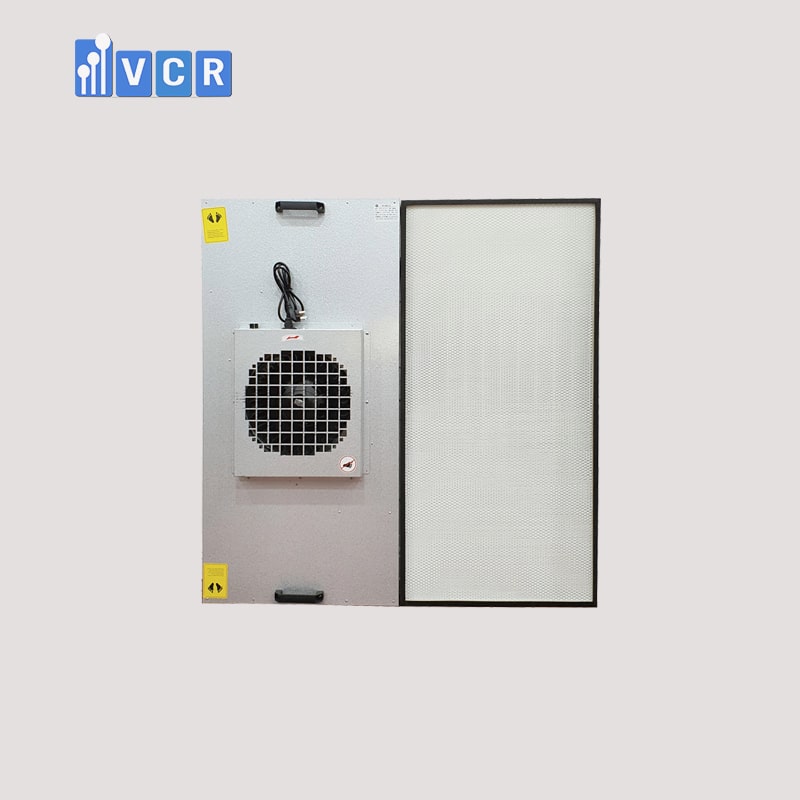
Not always; but they are commonly used in higher-control environments. HEPA filtration improves air cleanliness and reduces contamination risk.
Is airflow important?
Yes; airflow determines how air and contaminants move within the facility. Poor airflow design can cause cross-contamination.
Are pressure differentials necessary?
In many cases, yes; pressure control helps direct airflow and prevent contamination between zones.
Does GMP require SOPs?
Yes; SOPs standardize processes and reduce variability. They are essential for consistent operation.
Does GMP require training?
Yes; personnel must be trained to follow procedures correctly. Human factors are critical.
Does GMP require monitoring?
Yes; environmental and process monitoring ensures systems operate within limits.
Does GMP require documentation?
Yes; all activities must be recorded for traceability and compliance verification.
Is GMP related to HACCP?
Yes; HACCP is a key tool within GMP for identifying and controlling hazards. They work together.
What are common misconceptions?
Assuming GMP automatically requires cleanrooms, or ignoring environmental control when no cleanroom is used; both are incorrect.
Does GMP affect cost?
Yes; it requires investment in systems and management. However, it reduces risk and long-term losses.
What is the most important factor in GMP?
Effective real-world control, not just documentation. Systems must function properly in operation.
Does food GMP require cleanrooms?
Food GMP does not mandate cleanrooms by definition, but it requires controlled production environments to prevent contamination. For high-risk or export-oriented products, cleanrooms are often the most effective solution to meet GMP requirements. The decision should be based on product risk, hygiene requirements, and quality objectives rather than applied universally.
Duong VCR