
- What is an interlock system?
- Why is interlock important in cleanrooms?
- How does an interlock control contamination?
- Which standards are related?
- What types of interlock systems exist?
- How does a mechanical interlock work?
- How does an electronic interlock work?
- Where are interlocks used?
- How does interlock affect airflow?
- How does interlock affect pressure differentials?
- Does interlock directly control microorganisms?
- Should interlocks be integrated with other systems?
- Is maintenance required?
- Are SOPs required?
- Can interlocks be bypassed?
- Is monitoring required?
- What are common mistakes?
- Can interlocks replace HVAC systems?
- What is the key success factor?
- How does an interlock system control contamination?
From the perspective of “VCR cleanroom equipment,” an interlock is not a minor detail—it is a critical safety control point in contamination prevention, especially at doors and Pass Boxes.
What is an interlock system?
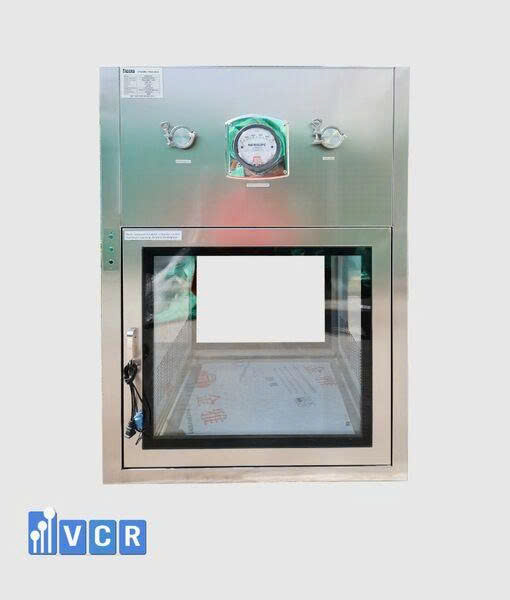
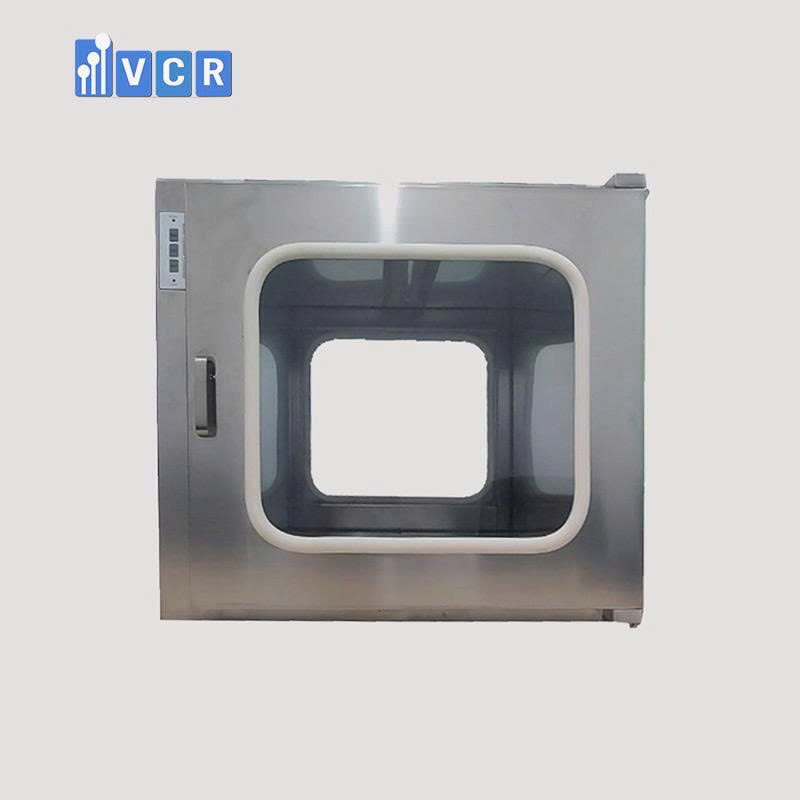
An interlock system is a mechanical or electronic locking mechanism installed on cleanroom doors or transfer devices such as Pass Boxes. It ensures that only one door can be opened at a time, controlling airflow between areas.
Why is interlock important in cleanrooms?
Cleanrooms rely on stable airflow and pressure differentials. If two doors open simultaneously, airflow direction is disrupted and contamination can spread. Interlocks prevent this condition.
How does an interlock control contamination?
By preventing direct airflow from a less clean area to a cleaner area. One door must be fully closed before the other can open, creating a physical barrier to contamination transfer.
Which standards are related?
Interlocks are not standalone standards but support compliance with requirements from International Organization for Standardization 14644, GMP, and HACCP for environmental and cross-contamination control.
What types of interlock systems exist?
Two main types: mechanical interlocks and electronic interlocks. Electronic systems are more flexible and widely used.
How does a mechanical interlock work?
It uses mechanical linkages to lock the opposite door when one is open. It does not require power but offers limited flexibility.
How does an electronic interlock work?
It uses sensors and controllers to monitor door status and enforce locking logic. It can integrate with alarms and building management systems.
Where are interlocks used?
Commonly installed on cleanroom doors, airlocks, Pass Boxes, and Air Showers—areas prone to cross-contamination.
How does interlock affect airflow?
By controlling door states, it maintains correct airflow direction between zones, preventing disturbances.
How does interlock affect pressure differentials?
It helps maintain stable pressure differences between rooms, preventing contamination ingress.
Does interlock directly control microorganisms?
Not directly; it reduces cross-contamination by controlling airflow paths. It must be combined with other systems.
Should interlocks be integrated with other systems?
Yes; integration with HVAC, HEPA filtration, and SOPs is essential for effective control.
Is maintenance required?
Yes; periodic checks ensure proper function. Failure can compromise contamination control.
Are SOPs required?
Yes; procedures ensure correct use and prevent bypassing the system.
Can interlocks be bypassed?
Yes, if not properly managed. This is a significant risk and must be controlled.
Is monitoring required?
Yes; door status and system performance should be monitored to detect faults.
What are common mistakes?
Not installing interlocks where needed, or installing them but not enforcing proper use.
Can interlocks replace HVAC systems?
No; they are only one part of the overall contamination control system.
What is the key success factor?
Alignment with airflow design and operational procedures. Integration determines effectiveness.
How does an interlock system control contamination?
An interlock system controls contamination by preventing simultaneous door opening, thereby maintaining pressure differentials and correct airflow direction between zones. This reduces the transfer of particles and microorganisms from less clean to cleaner areas. When integrated with HVAC systems, HEPA filtration, and proper SOPs, interlocks act as a critical barrier that minimizes cross-contamination and ensures a stable cleanroom environment.
Duong VCR