- What is HVAC in a food cleanroom?
- What is the working principle of HVAC?
- What is the role of ISO standards in HVAC?
- How does the air filtration system work?
- What is airflow in HVAC?
- What types of airflow are used?
- How does HVAC control temperature?
- How is humidity controlled?
- How does HVAC control pressure differentials?
- What is the role of HEPA filters?
- Does HVAC need continuous operation?
- Is monitoring required?
- Is maintenance required?
- Does HVAC affect cost?
- What are common mistakes?
- How is HVAC related to HACCP?
- Is validation required?
- What is the most important factor in HVAC?
- How does HVAC work in a food cleanroom?
From the perspective of “VCR cleanroom equipment,” HVAC is not just air conditioning—it is a complete environmental control system that directly determines cleanroom performance.
What is HVAC in a food cleanroom?
HVAC (Heating, Ventilation, and Air Conditioning) is a system that combines air conditioning, ventilation, and filtration. In food cleanrooms, it controls temperature, humidity, pressure, and air cleanliness. It is the foundation of a stable production environment.
What is the working principle of HVAC?
HVAC operates on a continuous air circulation cycle: air is drawn in, filtered, conditioned (temperature and humidity), supplied to the cleanroom, and then returned for reprocessing. This cycle ensures consistent environmental conditions.
What is the role of ISO standards in HVAC?
Standards such as International Organization for Standardization 14644 define required air cleanliness levels. HVAC systems are designed to meet these requirements through particle control.
How does the air filtration system work?
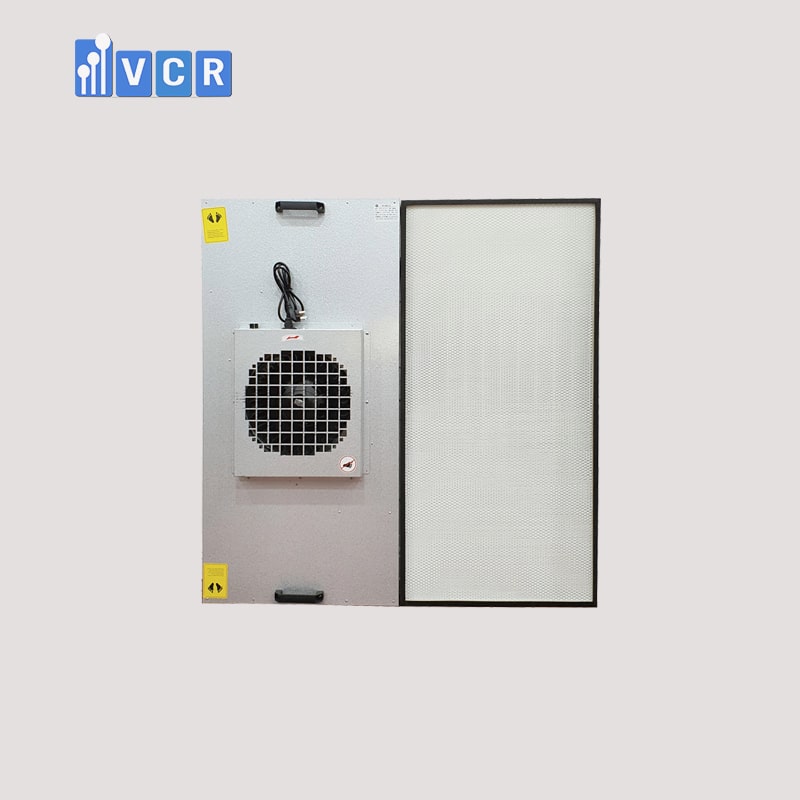
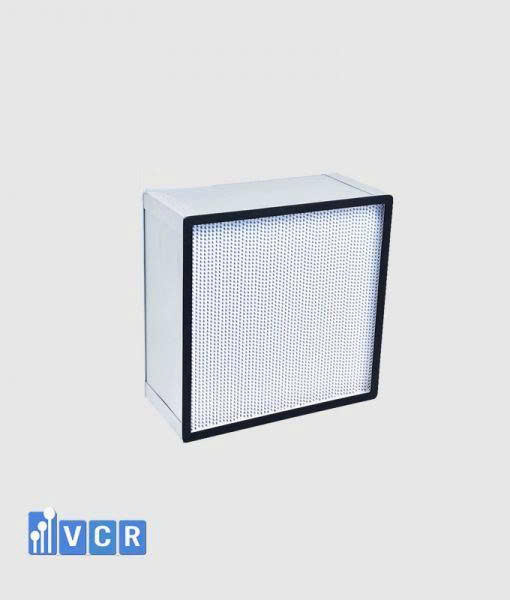
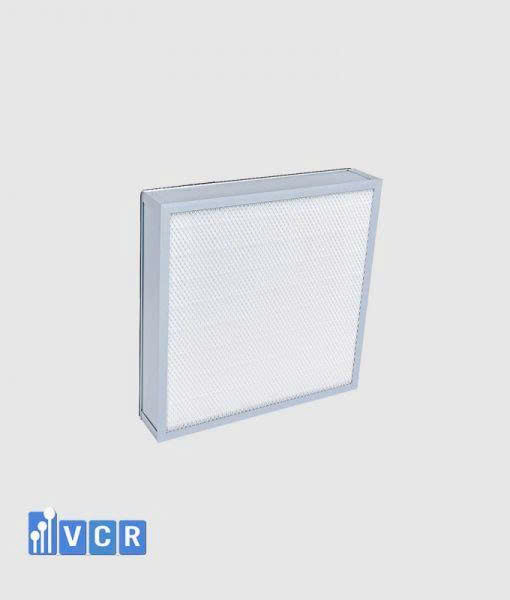
Air passes through multiple filtration stages: pre-filters (coarse), medium filters, and HEPA filters (fine). Each stage removes different particle sizes. HEPA is the final stage for high cleanliness.
What is airflow in HVAC?
Airflow refers to how air moves within the cleanroom. HVAC controls airflow to distribute clean air evenly and remove contaminants effectively. Proper airflow design prevents turbulence and contamination buildup.
What types of airflow are used?
Two main types: laminar airflow (unidirectional) and turbulent airflow (mixed). Food cleanrooms typically use turbulent airflow, while laminar airflow is used in critical zones.
How does HVAC control temperature?
Cooling and heating coils regulate temperature. Stable temperature prevents microbial growth and ensures product quality.
How is humidity controlled?
Humidity is managed through cooling, heating, and humidification systems. Proper control prevents mold growth and maintains product stability.
How does HVAC control pressure differentials?
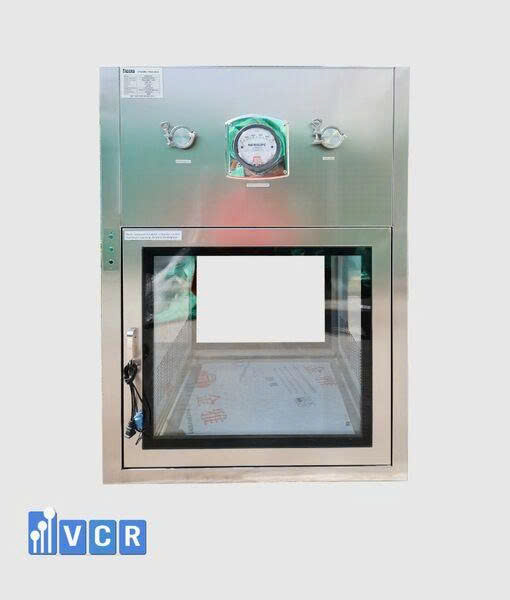
By adjusting supply and return air volumes, HVAC creates pressure differences between zones. This controls airflow direction and prevents cross-contamination.
What is the role of HEPA filters?
HEPA filters are the final filtration stage, removing fine particles and microorganisms. They are essential for achieving required cleanliness levels.
Does HVAC need continuous operation?
Yes; continuous or controlled operation is necessary to maintain stable conditions. Stopping the system can lead to loss of environmental control.
Is monitoring required?
Yes; temperature, humidity, pressure, and particle levels must be continuously monitored. Monitoring ensures early detection of deviations.
Is maintenance required?
Yes; regular filter replacement, system checks, and calibration are necessary to maintain performance and lifespan.
Does HVAC affect cost?
Significantly; HVAC is the most energy-intensive system. Proper design and operation are critical for cost optimization.
What are common mistakes?
Overdesign, poor airflow planning, and lack of maintenance. These reduce efficiency and increase cost.
How is HVAC related to HACCP?
HVAC supports environmental control at critical control points (CCPs), helping manage contamination risks.
Is validation required?
Yes; system performance must be tested to confirm it meets design requirements.
What is the most important factor in HVAC?
System stability and integration. Good design must be supported by proper operation.
How does HVAC work in a food cleanroom?
HVAC operates through continuous air circulation, multi-stage filtration, temperature and humidity control, airflow management, and pressure differential control to maintain a clean and stable environment. Designed according to standards such as ISO 14644, it ensures particle control and indirectly reduces microbial risk. With proper monitoring and maintenance, HVAC becomes the core system that guarantees product quality and safety in food production.
Duong VCR