- What is a Pass Box?
- Why is a Pass Box important in food production?
- What is the working principle?
- How does the interlock system work?
- Which standards are related?
- What types of Pass Box exist?
- When should a Static Pass Box be used?
- When should a Dynamic Pass Box be used?
- What is the role of HEPA in a Pass Box?
- How does airflow work in a Pass Box?
- Is UV required?
- How does a Pass Box affect pressure differentials?
- Does a Pass Box directly control microorganisms?
- Are SOPs required?
- Is cleaning required?
- Is monitoring required?
- Is validation required?
- What are common mistakes?
- Can a Pass Box replace a cleanroom?
- What are key design considerations?
- How is a Pass Box used in a food cleanroom?
From the perspective of “VCR cleanroom equipment,” a Pass Box is not just a transfer box—it is a critical contamination control point. If designed or operated incorrectly, it can become a contamination source.
What is a Pass Box?
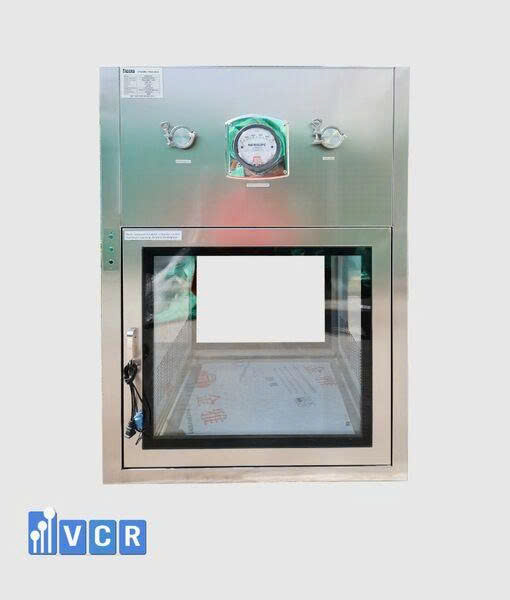
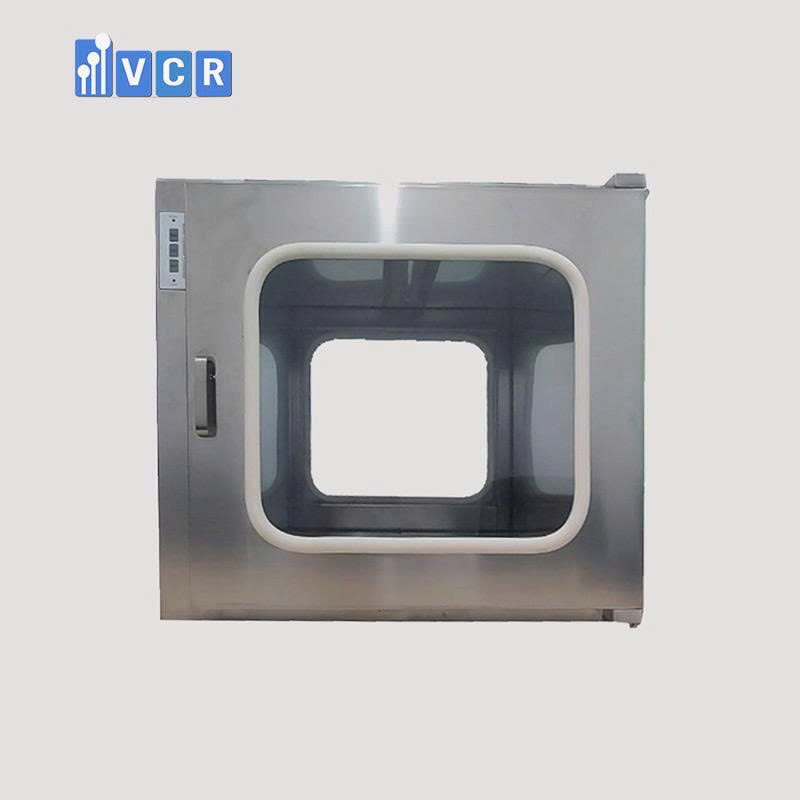
A Pass Box is an enclosed chamber with two doors on opposite sides, used to transfer materials between areas of different cleanliness levels without opening doors directly. This design protects clean environments from airflow disturbance and contamination.
Why is a Pass Box important in food production?
Material transfer is unavoidable in food manufacturing. Direct door opening disrupts pressure balance and airflow direction. A Pass Box isolates transfer activities, reducing contamination pathways.
What is the working principle?
The principle is “two doors – one chamber – no simultaneous opening.” Materials are placed inside from one side, the door is closed, and then retrieved from the other side. Interlock ensures safety.
How does the interlock system work?
Interlock is a mechanical or electronic locking system. When one door is open, the other is locked, preventing direct airflow between areas.
Which standards are related?
A Pass Box is not a standard but supports compliance with requirements from International Organization for Standardization 14644, GMP, and HACCP.
What types of Pass Box exist?
Two main types:
- Static Pass Box: no air filtration system
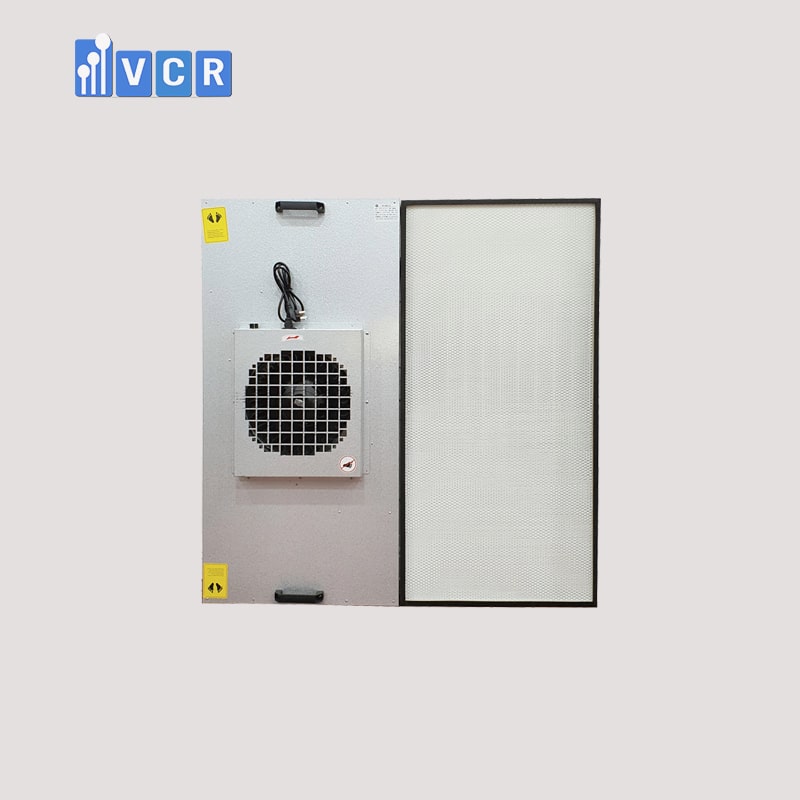
- Dynamic Pass Box: equipped with fan, HEPA filtration, and airflow control
When should a Static Pass Box be used?
When transferring materials between areas of similar cleanliness or where strict microbial control is not required. It is cost-effective.
When should a Dynamic Pass Box be used?
In higher-risk areas such as final packaging or sensitive zones. It actively reduces particles and microorganisms.
What is the role of HEPA in a Pass Box?
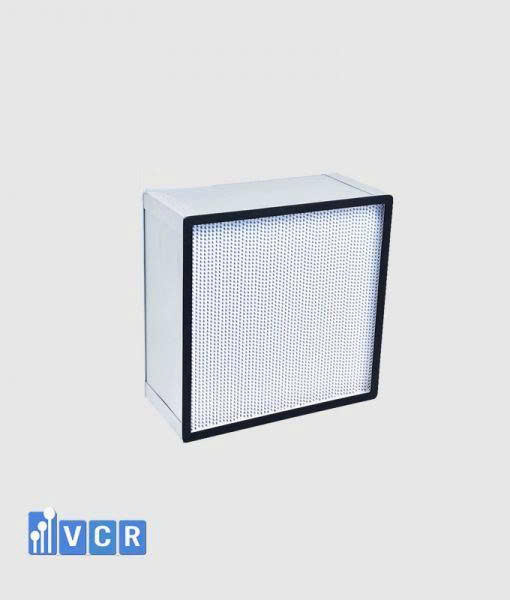
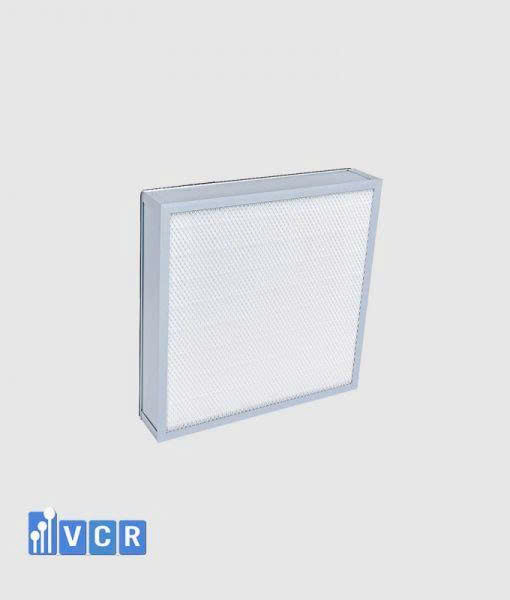
HEPA filters clean the air inside the chamber, removing particles and microorganisms before transfer.
How does airflow work in a Pass Box?
In dynamic systems, airflow circulates or flows unidirectionally to remove contaminants from material surfaces.
Is UV required?
UV can be used as an additional disinfection method, but it does not replace HEPA filtration and must be applied correctly.
How does a Pass Box affect pressure differentials?
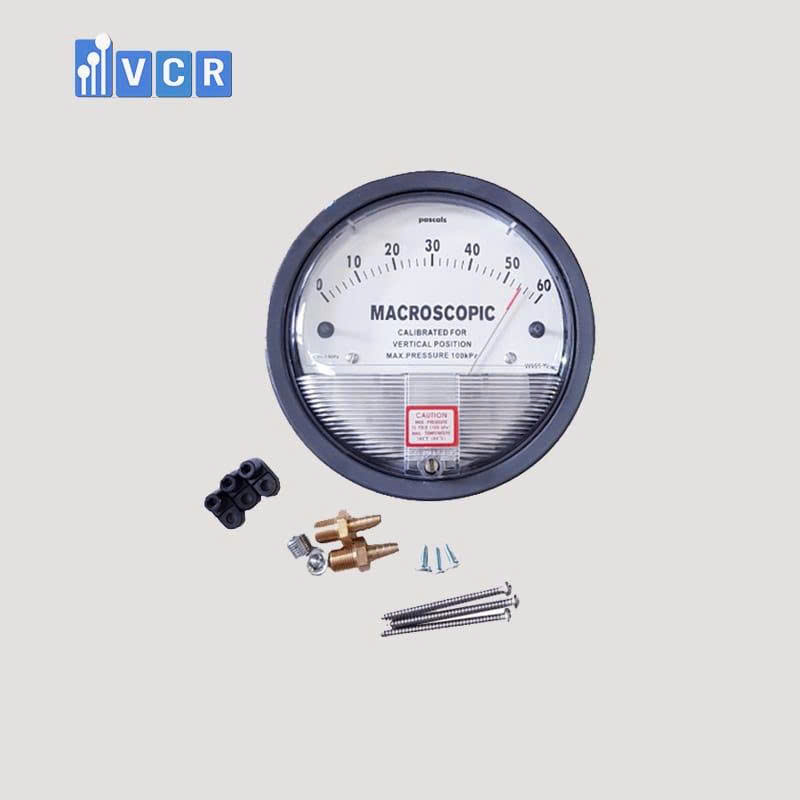
It reduces the need to open doors, helping maintain pressure balance between zones.
Does a Pass Box directly control microorganisms?
Not entirely; it reduces cross-contamination and, in dynamic models, lowers microbial load. It must be combined with other controls.
Are SOPs required?
Yes; SOPs define usage, waiting time, cleaning, and inspection procedures.
Is cleaning required?
Yes; the chamber can accumulate dust and microorganisms. Regular cleaning is necessary.
Is monitoring required?
Yes; interlock functionality, airflow, and filter condition must be checked regularly.
Is validation required?
Yes; especially for dynamic Pass Boxes, airflow and filtration performance must be verified.
What are common mistakes?
- Using the wrong type
- Not maintaining HEPA filters
- Lack of SOPs
These reduce effectiveness.
Can a Pass Box replace a cleanroom?
No; it is only one component and cannot replace HVAC, airflow design, or overall cleanroom systems.
What are key design considerations?
- Installation location between zones
- Appropriate type selection
- Integration with airflow and pressure control
Design must match actual process flow.
How is a Pass Box used in a food cleanroom?
A Pass Box functions as a controlled transfer point between areas of different cleanliness levels, minimizing door openings, maintaining pressure balance, and stabilizing airflow. Depending on requirements, static or dynamic models (with HEPA and airflow) are used. When properly designed, operated under SOPs, and integrated with HVAC and HACCP systems, a Pass Box significantly reduces cross-contamination, supports particle and microbial control, and helps ensure product quality and food safety throughout production.
Duong VCR