- What is ISO 22000?
- Is ISO 22000 a cleanroom standard?
- How is ISO 22000 applied in cleanrooms?
- What is the relationship between ISO 22000 and HACCP?
- Does ISO 22000 require ISO 14644?
- What does ISO 22000 control in a cleanroom?
- What is the role of HVAC?
- Are HEPA filters relevant?
- How does airflow affect ISO 22000 compliance?
- What is the role of pressure differentials?
- Is monitoring required?
- Is documentation required?
- Is training required?
- Is validation required?
- Does ISO 22000 impact cost?
- What are common implementation mistakes?
- Is ISO 22000 mandatory?
- What is the most important factor?
- How is ISO 22000 applied to cleanrooms?
From the perspective of “VCR cleanroom equipment,” ISO 22000 is not a cleanroom design standard—it is a management framework that ensures cleanrooms operate in alignment with food safety objectives.
What is ISO 22000?
ISO 22000 is a standard issued by the International Organization for Standardization that defines a Food Safety Management System (FSMS). It integrates HACCP principles with management requirements such as documentation, traceability, and continuous improvement. It applies across the entire food supply chain. It is a management system, not an environmental specification.
Is ISO 22000 a cleanroom standard?
No; ISO 22000 does not define ISO class, HVAC design, or airflow requirements. It focuses on risk management and process control. Cleanrooms are tools used to meet environmental control needs defined by the system.
How is ISO 22000 applied in cleanrooms?
ISO 22000 identifies hazards and Critical Control Points (CCPs), then requires appropriate controls. Cleanrooms provide the controlled environment needed to manage CCPs related to air quality, contamination, and hygiene. In practice, ISO 22000 defines what must be controlled, while the cleanroom enables how it is controlled.
What is the relationship between ISO 22000 and HACCP?
ISO 22000 incorporates HACCP as a core component. HACCP identifies hazards and CCPs, while ISO 22000 ensures these controls are implemented, monitored, and continuously improved. Together they form a complete system.
Does ISO 22000 require ISO 14644?
Not directly; however, ISO 14644 is often used to define air cleanliness levels in critical areas. It supports environmental control within the ISO 22000 framework.
What does ISO 22000 control in a cleanroom?
It controls the entire system: personnel, processes, equipment, and environment. In cleanrooms, it focuses on contamination prevention, hygiene, traceability, and risk management.
What is the role of HVAC?
HVAC provides environmental control required by ISO 22000. It maintains temperature, humidity, and air quality, which are critical for many CCPs.
Are HEPA filters relevant?
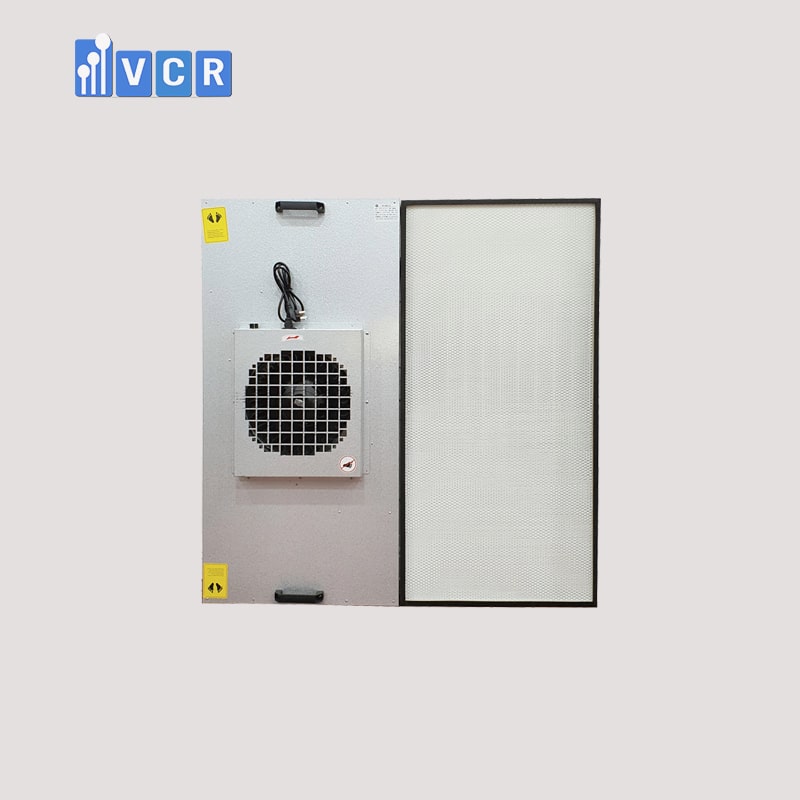
Yes; HEPA filtration supports air cleanliness and contamination control, especially in critical zones. It is part of the technical solution.
How does airflow affect ISO 22000 compliance?
Airflow determines how contaminants move between zones. Poor airflow design can compromise CCP control and increase contamination risk.
What is the role of pressure differentials?
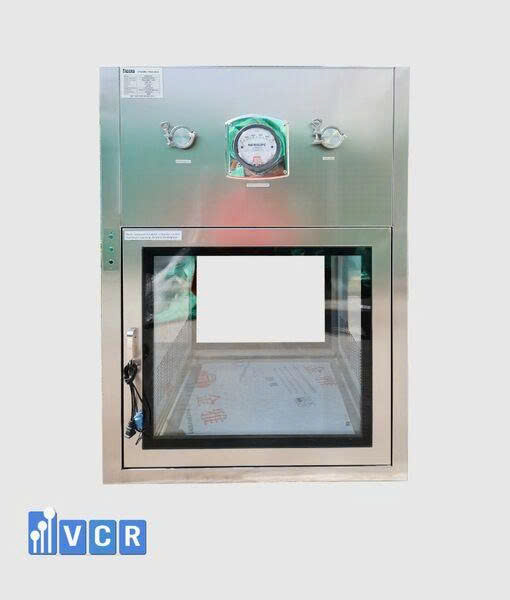
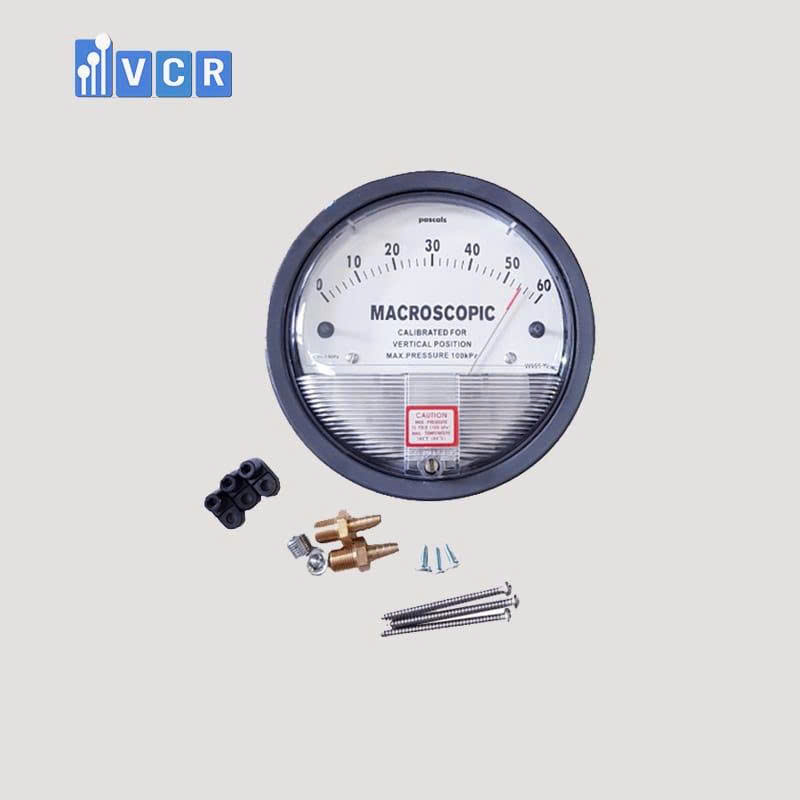
Pressure differentials prevent cross-contamination between areas. They are essential for maintaining controlled environments.
Is monitoring required?
Yes; monitoring is mandatory to ensure CCPs remain within limits. In cleanrooms, this includes temperature, humidity, pressure, and microbial conditions.
Is documentation required?
Yes; all processes and controls must be documented. This ensures traceability and demonstrates compliance.
Is training required?
Yes; personnel must understand and follow ISO 22000 requirements. Human factors are critical to system success.
Is validation required?
Yes; control measures must be verified to ensure effectiveness. In cleanrooms, this includes environmental testing.
Does ISO 22000 impact cost?
Yes; it requires investment in systems and management. However, it reduces risk and long-term cost through improved control.
What are common implementation mistakes?
Focusing only on documentation without real control; failing to integrate with cleanroom systems; leading to ineffective implementation.
Is ISO 22000 mandatory?
In many export markets, ISO 22000 is required or strongly recommended. It is globally recognized.
What is the most important factor?
Alignment between management systems and real-world operation. Documentation alone is not sufficient—practical control is essential.
How is ISO 22000 applied to cleanrooms?
ISO 22000 applies to cleanrooms by defining hazards and critical control points in food production, requiring the cleanroom environment to be designed and operated to meet those controls. It does not specify ISO classes or HVAC systems directly, but guides how cleanrooms are used as part of a broader risk management system. When integrated with ISO 14644 and HACCP, cleanrooms become a key component of a comprehensive food safety system that ensures product quality, compliance, and long-term operational efficiency.
Duong VCR