- What is airflow in a food cleanroom?
- Why is airflow important?
- How is airflow related to standards?
- What types of airflow are used?
- When is laminar airflow required?
- When is turbulent airflow used?
- What are the key airflow design principles?
- How is airflow related to HVAC?
- Where should supply air be located?
- Where should return air be located?
- How is airflow related to pressure differentials?
- Does airflow affect microbial control?
- Is airflow related to ACH?
- Is airflow simulation necessary?
- What are common mistakes?
- Should food cleanrooms use pharmaceutical airflow design?
- Is monitoring required?
- Is maintenance required?
- What is the most important factor in airflow design?
- How should airflow be designed for a food cleanroom?
From the perspective of “VCR cleanroom equipment,” airflow is not just “air movement”—it is the mechanism of contamination control. If designed incorrectly, the entire cleanroom loses effectiveness regardless of HEPA or ISO level.
What is airflow in a food cleanroom?
Airflow describes how air moves within the cleanroom, from supply to return. It determines the path of particles and microorganisms. A well-designed airflow system removes contaminants efficiently and maintains a stable environment.
Why is airflow important?
Airflow controls the direction and spread of contamination. Poor design allows microorganisms to move from dirty to clean areas. This directly impacts product safety. It acts as a dynamic barrier against contamination.
How is airflow related to standards?
Airflow is not directly specified but is essential to achieving standards such as International Organization for Standardization 14644. Proper airflow design ensures stable compliance with cleanliness levels.
What types of airflow are used?
Two main types: laminar airflow (unidirectional) and turbulent airflow (mixed). Laminar is used in critical zones, while turbulent is common in general food production areas.
When is laminar airflow required?
In high-control areas such as aseptic packaging or sensitive processes. It provides uniform airflow in a single direction to remove contaminants effectively.
When is turbulent airflow used?
In most general production areas. It is cost-effective and sufficient for many food processing applications.
What are the key airflow design principles?
Air should flow from clean areas to less clean areas. Reverse flow must be avoided. This is a fundamental design rule.
How is airflow related to HVAC?
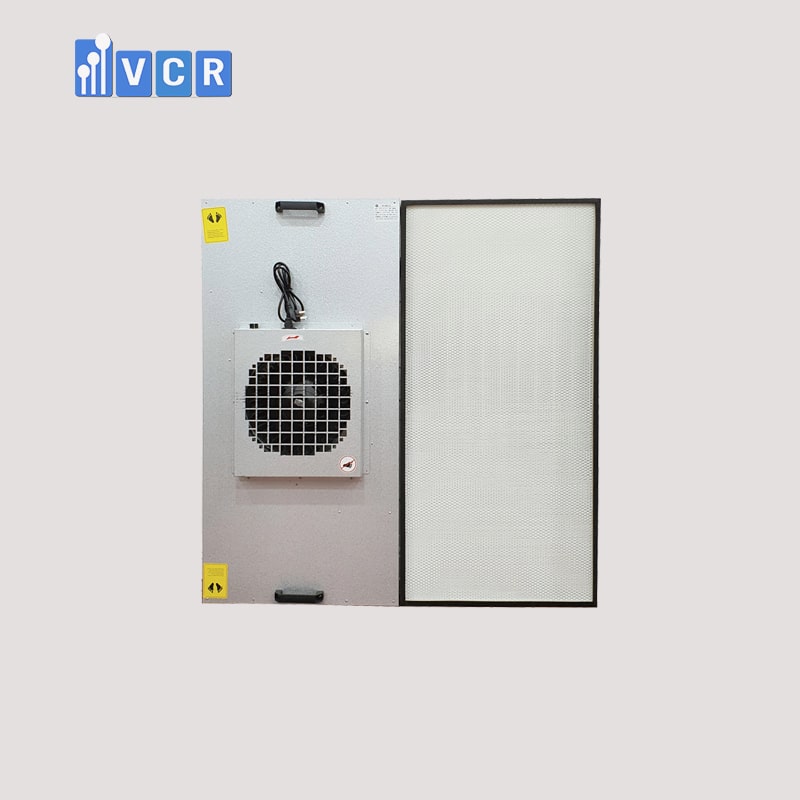
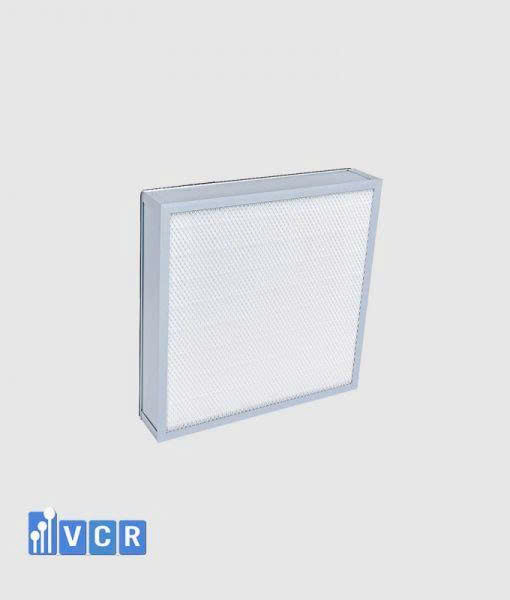
HVAC systems generate and control airflow through supply and return air systems. They define airflow patterns and performance.
Where should supply air be located?
Typically at the ceiling, supplying air downward. This helps push contaminants away from critical zones.
Where should return air be located?
Usually near the floor or low on walls. This allows effective removal of contaminants.
How is airflow related to pressure differentials?
Pressure differentials guide airflow between zones. Both must be coordinated to prevent contamination spread.
Does airflow affect microbial control?
Yes; proper airflow reduces microbial accumulation. Poor airflow can spread contamination.
Is airflow related to ACH?
Yes; ACH defines air volume, while airflow defines distribution. Both must work together.
Is airflow simulation necessary?
Yes; in complex systems, CFD (Computational Fluid Dynamics) is used to optimize airflow design and predict performance.
What are common mistakes?
Focusing only on ACH or HEPA while ignoring airflow design. This leads to poor system performance.
Should food cleanrooms use pharmaceutical airflow design?
Not necessarily; laminar airflow is not always required. Food cleanrooms should be designed based on cost and actual needs.
Is monitoring required?
Yes; airflow performance must be checked regularly to ensure proper operation.
Is maintenance required?
Yes; HVAC and filtration systems must be maintained to sustain airflow performance.
What is the most important factor in airflow design?
Understanding the production process and contamination sources. Airflow must be tailored to real operational conditions.
How should airflow be designed for a food cleanroom?
Airflow should be designed to move from clean to less clean areas, with ceiling supply and low-level return, combined with pressure differentials to control direction. The choice between laminar and turbulent airflow depends on product sensitivity. Integration with HVAC, HEPA filtration, and ACH is essential. Proper airflow design not only ensures compliance but also minimizes contamination risk and optimizes operational cost.
Duong VCR