- Where do bacteria in food cleanrooms come from?
- Why is bacterial control important?
- Which standards are relevant?
- How do cleanrooms control bacteria?
- What is the role of HVAC?
- How effective are HEPA filters?
- How does airflow impact control?
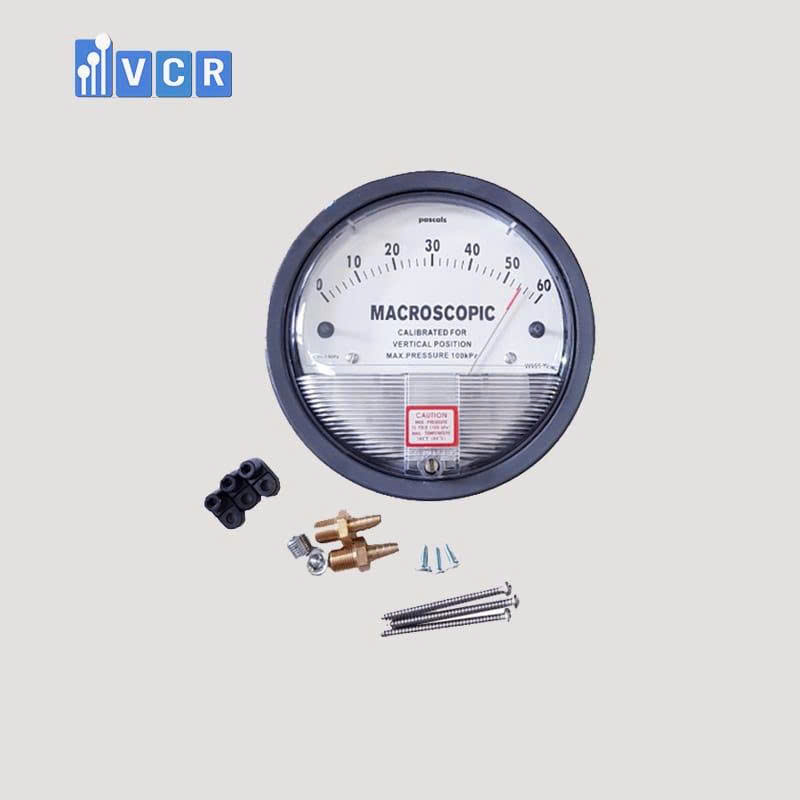
- What do pressure differentials do?
- Is zoning necessary?
- How should personnel be controlled?
- What is the role of SOPs?
- How does HACCP control bacteria?
- What about cleaning and disinfection?
- What does environmental monitoring include?
- How is microbiological testing performed?
- Do materials and layout matter?
- What about water and raw materials?
- Is maintenance and calibration necessary?
- What are common mistakes?
- Can bacteria be completely eliminated?
- How to control bacteria in a food cleanroom?
From the perspective of “VCR cleanroom equipment,” bacteria cannot be completely eliminated; the goal is to keep them within safe limits through a well-designed and consistently operated control system.
Where do bacteria in food cleanrooms come from?
Primary sources include personnel (skin, hair, clothing), air (particles carrying microbes), raw materials, water, equipment, and contact surfaces. Additional contributors include door openings, material movement, and improper airflow direction. Identifying sources accurately allows targeted controls rather than relying on a single measure.
Why is bacterial control important?
Bacteria can cause spoilage, shorten shelf life, produce toxins, and lead to foodborne illness. Operationally, contamination can trigger recalls, damage brand reputation, and restrict market access. Control is both a technical necessity and a strategic requirement.
Which standards are relevant?
International Organization for Standardization 14644 supports airborne particle control; HACCP defines hazards and CCPs; GMP and ISO 22000 manage conditions and systems. Together they provide end-to-end control from environment to process.
How do cleanrooms control bacteria?
By reducing airborne load (filtration, airflow), controlling air direction (pressure differentials), and preventing cross-contamination via zoning and material/personnel flows. Hygienic design minimizes accumulation on surfaces.
What is the role of HVAC?
HVAC controls temperature, humidity, and airflow—key drivers of microbial growth and dispersion. Stable conditions limit variability and support repeatable production.
How effective are HEPA filters?
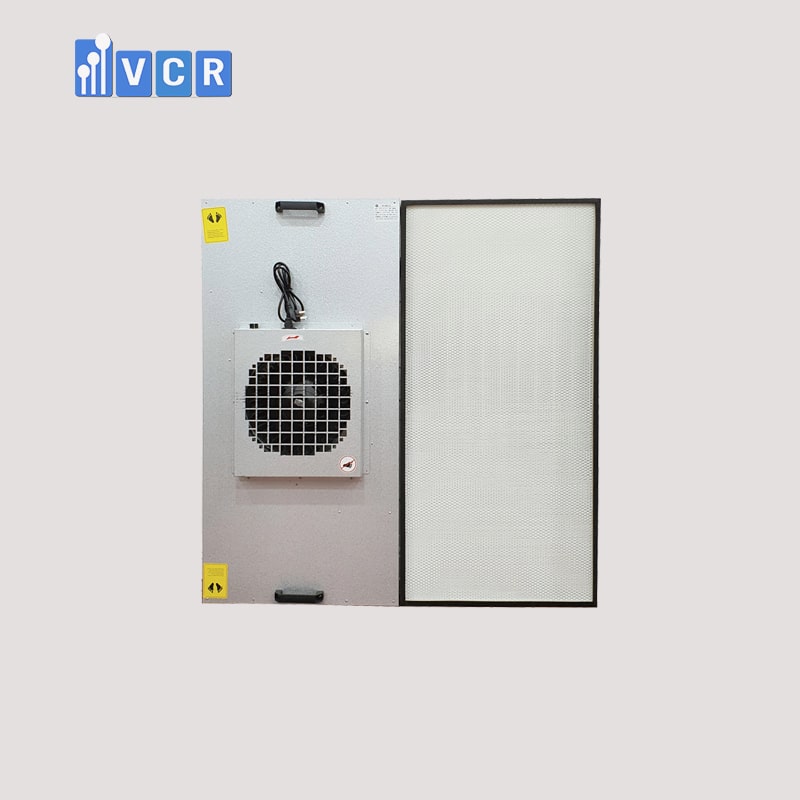
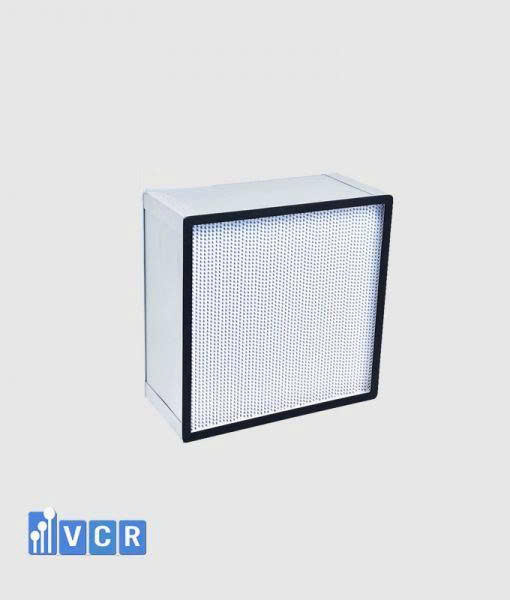
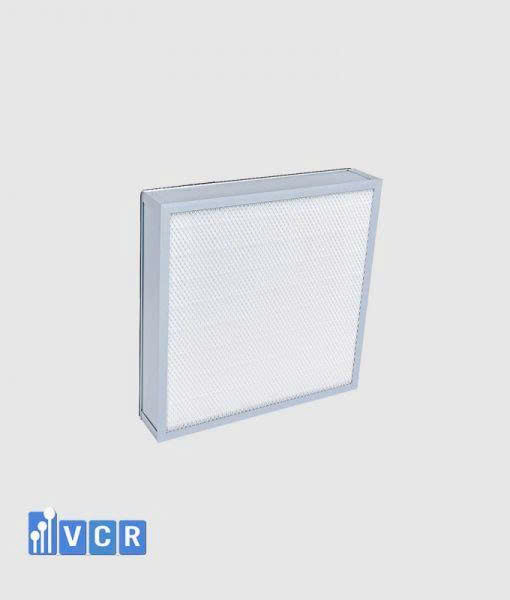
HEPA removes ≥99.97% of 0.3 µm particles, significantly reducing airborne bacteria carriers. Effectiveness depends on proper installation, sealing, and maintenance.
How does airflow impact control?
Airflow defines contamination pathways. Design must ensure flow from clean → less clean areas, avoid recirculation zones, and eliminate dead spots where microbes can accumulate.
What do pressure differentials do?
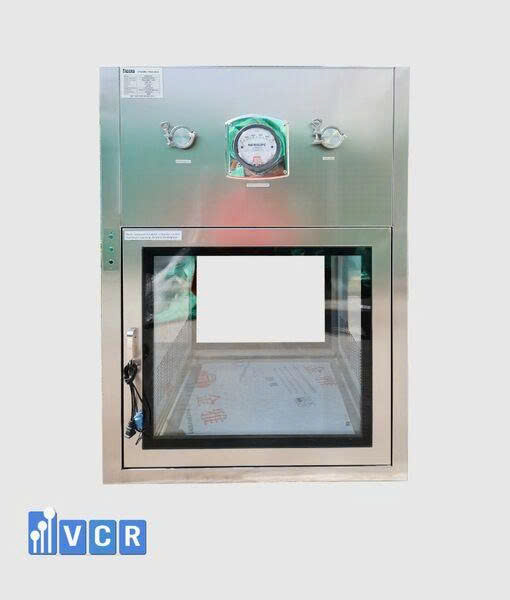
They create directional airflow barriers between rooms, preventing ingress of contaminated air into cleaner zones.
Is zoning necessary?
Yes; zoning by risk (e.g., ISO 8 → ISO 7 → critical zones) focuses controls where needed and optimizes cost-performance.
How should personnel be controlled?
Use appropriate gowning, behavior rules (limited talking/movement), one-way flows, and regular training. Personnel are the largest contamination source.
What is the role of SOPs?
SOPs standardize cleaning, operations, filter changes, maintenance, and deviation handling, ensuring consistency and reducing human error.
How does HACCP control bacteria?
By identifying CCPs (e.g., final packaging), setting limits (time/temperature/microbial levels), monitoring, and defining corrective actions. It is the core risk-management tool.
What about cleaning and disinfection?
Implement validated cleaning and disinfection programs with defined frequency, agents, and methods. Rotate disinfectants to avoid resistance; prioritize product-contact surfaces.
What does environmental monitoring include?
Continuous monitoring of temperature, humidity, pressure, and airflow, plus periodic particle and microbiological sampling (air, surfaces, gloves). Trend analysis is critical.
How is microbiological testing performed?
Using settle plates, active air sampling, and surface swabs, with risk-based sampling plans. Analyze trends to identify weak points, not just single results.
Do materials and layout matter?
Yes; smooth, non-porous finishes, minimized joints, coved corners, and one-way flows for people/materials reduce microbial harborage and ease cleaning.
What about water and raw materials?
Water can be a major microbial source; it must be treated and monitored. Raw materials require incoming controls and proper storage to prevent introducing contamination.
Is maintenance and calibration necessary?
Yes; timely filter replacement, HEPA integrity testing (DOP/PAO), and sensor calibration are essential to sustain performance.
What are common mistakes?
Focusing only on surface cleaning while neglecting airflow/pressure; overdesigning ISO without operational discipline; insufficient monitoring and training.
Can bacteria be completely eliminated?
No; the practical goal is to control within acceptable limits based on product risk and market requirements.
How to control bacteria in a food cleanroom?
Use an integrated system: stable HVAC + HEPA filtration + proper airflow and pressure differentials; HACCP to define CCPs; robust SOPs; strict personnel control; continuous monitoring and trend-based microbiological testing; and disciplined maintenance and calibration. The objective is stable, data-backed control within safe limits to ensure product quality, shelf life, and compliance.
Duong VCR