- What is an Air Shower?
- Is an Air Shower mandatory in food factories?
- When is an Air Shower needed?
- Which standards are related?
- How does an Air Shower work?
- Is it effective?
- What types are available?
- Can it replace cleanroom garments?
- Does it control microorganisms?
- Does it affect overall airflow?
- Is HEPA required?
- Is maintenance required?
- Are SOPs required?
- Is monitoring required?
- What are common mistakes?
- Does it increase cost?
- Are there alternatives?
- What is the key success factor?
- Is an Air Shower necessary in a food factory?
From the perspective of “VCR cleanroom equipment,” an Air Shower is a personnel contamination control tool—but it only delivers value when applied in the right place for the right purpose.
What is an Air Shower?
An Air Shower is an enclosed unit that uses high-velocity air jets to remove dust and particles from personnel (clothing, hair, and surfaces) before entering a cleanroom. Dislodged particles are captured and removed through HEPA filtration.
Is an Air Shower mandatory in food factories?
No; it is not a universal requirement. Many food facilities achieve adequate contamination control without it. However, it becomes valuable in higher-risk or higher-cleanliness areas.
When is an Air Shower needed?
For sensitive products (e.g., nutraceuticals, powdered milk), final packaging areas, or where personnel are a major contamination source. It is particularly useful at entry points to controlled zones.
Which standards are related?
An Air Shower is not a standard, but it supports compliance with International Organization for Standardization 14644, GMP, and HACCP requirements for environmental and personnel control.
How does an Air Shower work?
A person enters the chamber; doors close; high-velocity air jets blow from multiple nozzles to dislodge particles. Air is recirculated through HEPA filters to remove contaminants.
Is it effective?
Yes; it significantly reduces particle load on garments and exposed surfaces. Effectiveness depends on dwell time, nozzle layout, and proper use.
What types are available?
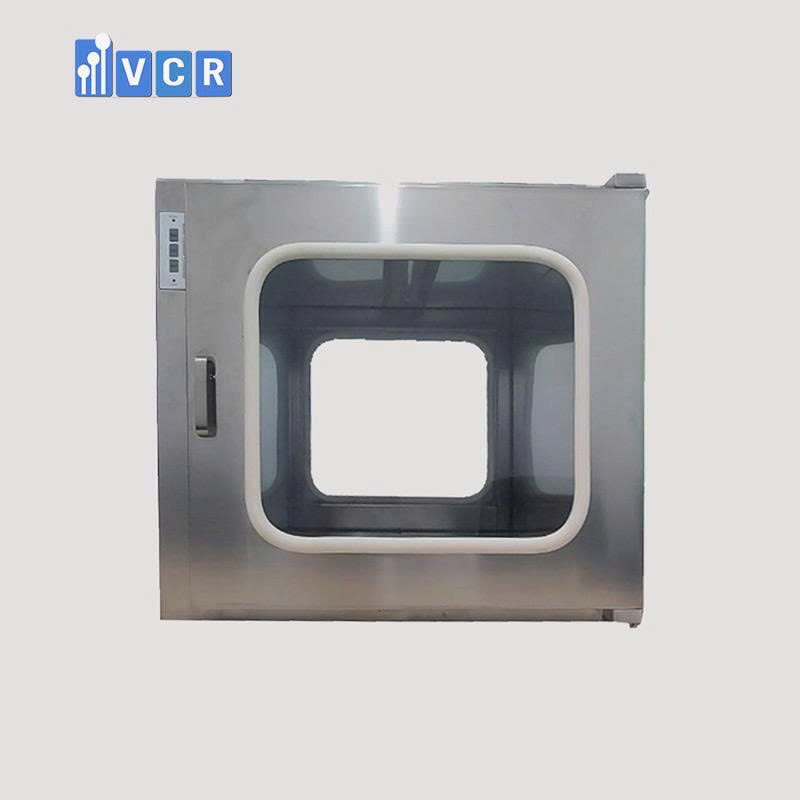
Single-person units, multi-person units, and cargo Air Showers. Configurations can be customized to facility size and throughput.
Can it replace cleanroom garments?
No; garments are the primary control. The Air Shower is a supplementary measure.
Does it control microorganisms?
Indirectly; by removing particle carriers of microorganisms. It does not replace hygiene or process controls.
Does it affect overall airflow?
Potentially; poor integration can disturb cleanroom airflow. It must be coordinated with the HVAC design.
Is HEPA required?
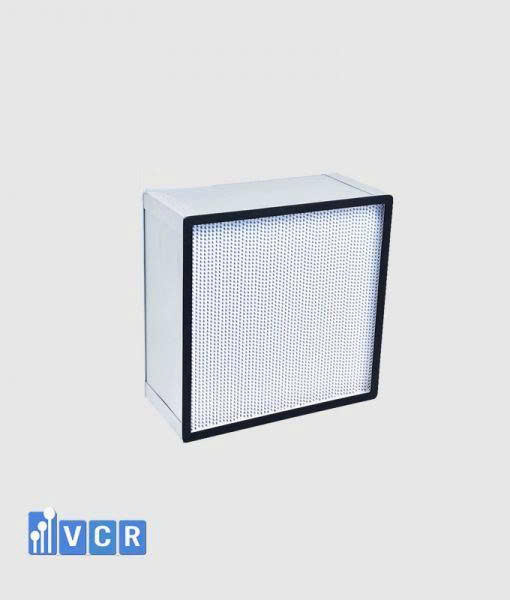
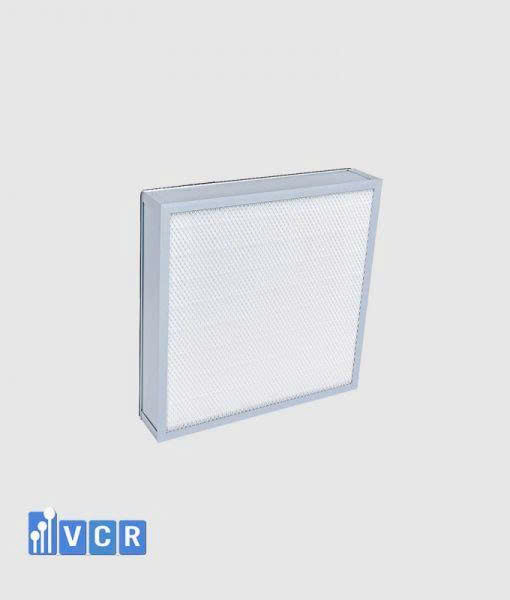
Yes; HEPA filtration is essential to capture removed particles and maintain clean recirculated air.
Is maintenance required?
Yes; regular inspection of fans, nozzles, and periodic HEPA replacement are necessary.
Are SOPs required?
Yes; procedures define proper use (entry posture, dwell time) to ensure effectiveness.
Is monitoring required?
Yes; airflow velocity and system performance should be checked to confirm operation.
What are common mistakes?
Installing an Air Shower without clear need, improper usage, or lack of maintenance—leading to cost without benefit.
Does it increase cost?
Yes; there are capital and operating costs. A risk-based assessment is needed to justify installation.
Are there alternatives?
Yes; effective gowning protocols, personnel flow control, and behavior management can substitute in lower-risk areas.
What is the key success factor?
Correct application based on risk, and integration with HVAC, SOPs, and HACCP.
Is an Air Shower necessary in a food factory?
Not always; for standard production, it may be unnecessary. It is most beneficial in high-risk or high-cleanliness zones where personnel-driven contamination must be minimized. When properly selected, installed, and operated within an integrated system (HVAC, HEPA, SOPs, HACCP), an Air Shower can significantly reduce contamination risk without unnecessary cost.
Duong VCR