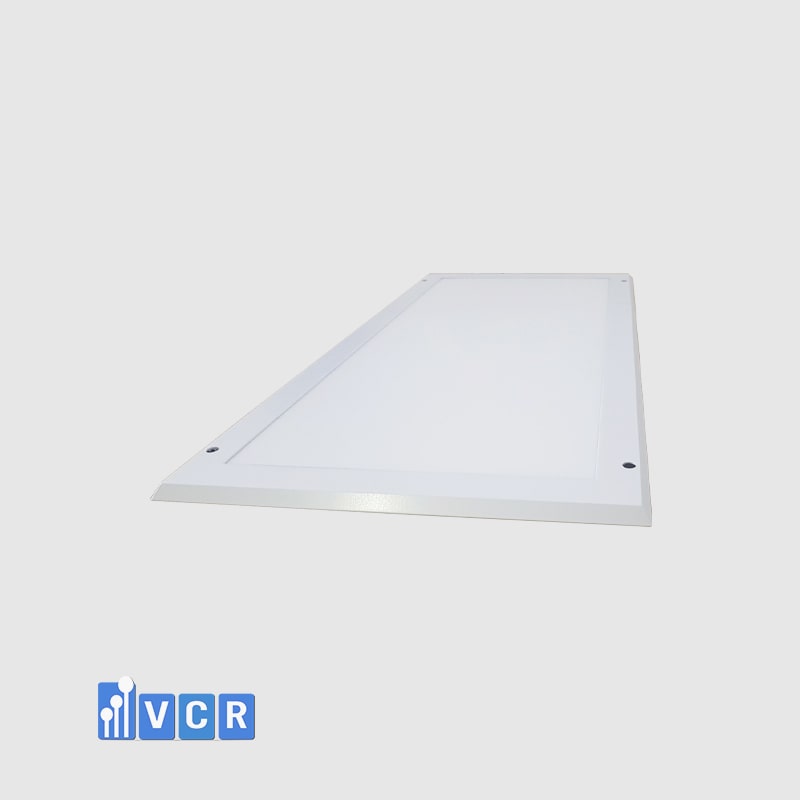

- What is an FFU?
- Is an FFU mandatory in food production?
- When should an FFU be used?
- Which standards are related?
- How is an FFU different from a HEPA Box?
- Can FFUs create laminar airflow?
- Do FFUs control microorganisms?
- How do FFUs affect overall airflow?
- Are pressure differentials still required?
- Do FFUs require HEPA filters?
- What are the advantages of FFUs?
- What are the disadvantages?
- Is maintenance required?
- Is testing required?
- Is monitoring required?
- Can FFUs replace HVAC systems?
- What are common mistakes?
- What is the key selection factor?
- Is an FFU necessary for food production?
From the perspective of “VCR cleanroom equipment,” an FFU is a flexible solution for creating localized clean zones—but it should only be used where it delivers clear contamination control value compared to centralized HVAC.
What is an FFU?
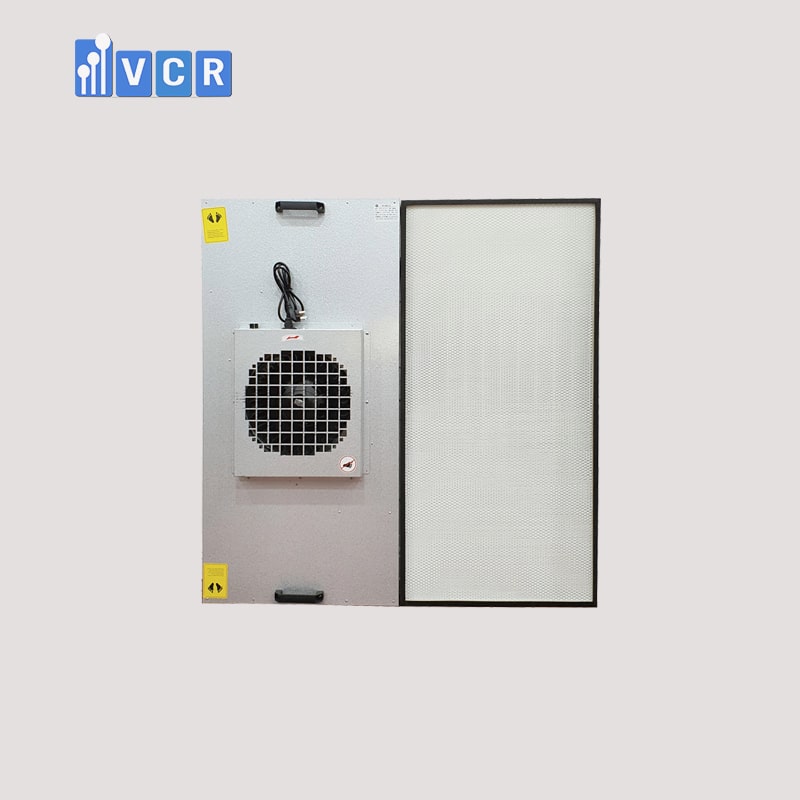
An FFU (Fan Filter Unit) is a self-contained unit combining a fan and a HEPA/ULPA filter, typically installed in the ceiling to supply clean air directly to a workspace. It enables localized clean environments without upgrading the entire room.
Is an FFU mandatory in food production?
No; most standard food processing facilities can meet requirements with centralized HVAC and multi-stage filtration. FFUs are only needed for specific high-control applications.
When should an FFU be used?
- Final packaging areas or ready-to-eat (RTE) products
- Sensitive products such as powdered milk or nutraceuticals
- Local upgrades from ISO 8 to ISO 7 or ISO 5 without full renovation
- Creating laminar airflow at critical workstations
Which standards are related?
An FFU is not a standard but is used to achieve cleanliness levels defined by International Organization for Standardization 14644.
How is an FFU different from a HEPA Box?
A HEPA Box is part of centralized HVAC, while an FFU is an independent unit with its own fan. FFUs offer greater flexibility in placement and airflow control.
Can FFUs create laminar airflow?
Yes; when properly arranged, FFUs can generate unidirectional airflow, helping remove particles and microorganisms from critical zones.
Do FFUs control microorganisms?
Indirectly; by reducing airborne particles that carry microorganisms. Additional controls are still required.
How do FFUs affect overall airflow?
If not properly integrated, FFUs can disrupt airflow patterns. System-level design is essential.
Are pressure differentials still required?
Yes; pressure control remains the primary method for contamination control. FFUs provide localized enhancement.
Do FFUs require HEPA filters?
Yes; HEPA or ULPA filtration is essential for performance.
What are the advantages of FFUs?
- Flexible installation
- Localized upgrades without full renovation
- Adjustable airflow at specific points
What are the disadvantages?
- Higher energy consumption
- Distributed maintenance requirements
- Potential noise issues
Is maintenance required?
Yes; regular filter replacement and fan inspection are necessary.
Is testing required?
Yes; airflow velocity, uniformity, and HEPA integrity (DOP/PAO) must be verified.
Is monitoring required?
Yes; airflow and filter performance should be tracked to detect degradation.
Can FFUs replace HVAC systems?
No; they are supplementary and cannot replace centralized systems.
What are common mistakes?
- Overusing FFUs without risk assessment
- Poor integration with airflow design
- Neglecting maintenance
What is the key selection factor?
Product risk level, required cleanliness at work points, layout constraints, and lifecycle cost (CAPEX/OPEX).
Is an FFU necessary for food production?
Not always; FFUs are most valuable for creating localized clean zones or upgrading cleanliness at critical points without full system redesign. When properly integrated with HVAC, HEPA filtration, airflow design, and SOPs, FFUs effectively reduce particle and microbial load while optimizing cost and maintaining product quality in food production.
Duong VCR