
- What is laminar flow?
- Is laminar flow mandatory in food production?
- When is laminar flow needed?
- How is laminar flow related to standards?
- How does laminar flow differ from turbulent airflow?
- Should laminar flow be used for the entire facility?
- Does laminar flow reduce microorganisms?
- Can laminar flow replace HEPA filters?
- Can laminar flow replace HACCP?
- Does laminar flow increase cost?
- Does HVAC need modification for laminar flow?
- Is monitoring required?
- Is validation required?
- Does laminar flow affect overall airflow?
- Is laminar flow suitable for all food products?
- What are common mistakes?
- Are there alternatives?
- What is more important than laminar flow?
- Is laminar flow necessary in food cleanrooms?
From the perspective of “VCR cleanroom equipment,” laminar flow is not a default standard—it is an advanced technical solution used only when strict contamination control is required.
What is laminar flow?
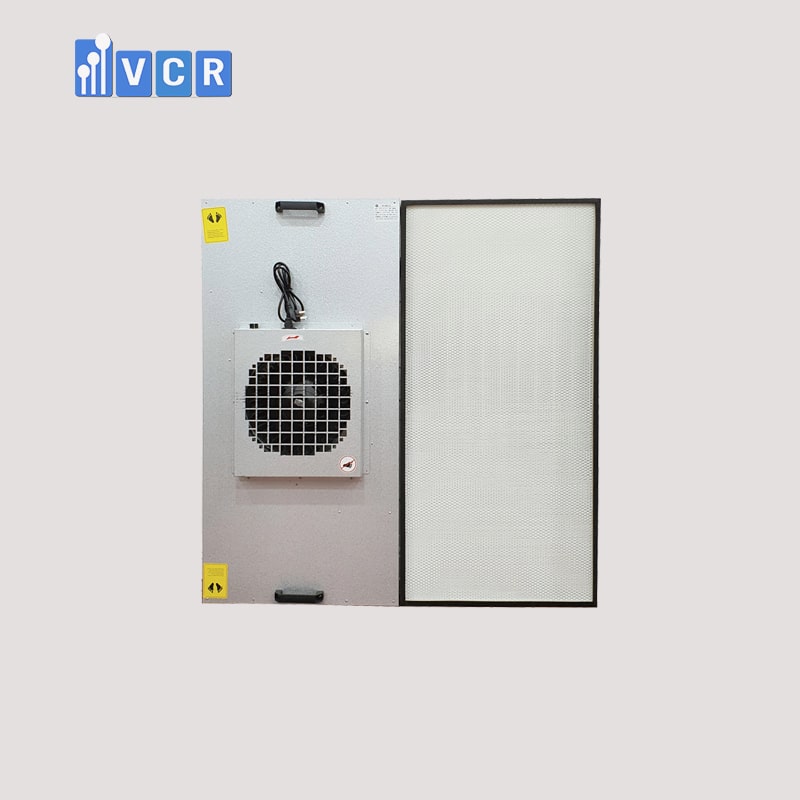
Laminar flow is a unidirectional airflow system where air moves uniformly in a single direction at a constant velocity. It removes particles and microorganisms without creating turbulence. It is commonly used in high-cleanliness environments.
Is laminar flow mandatory in food production?
No; most food cleanrooms do not require laminar flow. Turbulent (mixed) airflow systems are usually sufficient. Laminar flow is only used in specific critical areas.
When is laminar flow needed?
For sterile or highly sensitive processes such as aseptic packaging, nutraceutical powders, or critical zones. It provides maximum contamination control.
How is laminar flow related to standards?
Laminar flow is often used to achieve high cleanliness levels under standards such as International Organization for Standardization 14644, particularly ISO 5.
How does laminar flow differ from turbulent airflow?
Laminar flow provides controlled, unidirectional air movement with high cleanliness. Turbulent airflow is mixed and more flexible, with lower cost. Each serves different purposes.
Should laminar flow be used for the entire facility?
No; it should only be applied to critical zones. Full-facility application is unnecessary and expensive.
Does laminar flow reduce microorganisms?
Yes; it rapidly removes airborne microorganisms. However, contamination also depends on personnel and hygiene.
Can laminar flow replace HEPA filters?
No; laminar flow typically works with HEPA filtration. HEPA removes particles, while laminar flow controls air direction.
Can laminar flow replace HACCP?
No; HACCP controls process hazards, while laminar flow controls environmental airflow.
Does laminar flow increase cost?
Significantly; both capital and operating costs are higher compared to conventional systems.
Does HVAC need modification for laminar flow?
Yes; HVAC must be designed to maintain stable, uniform airflow. Precision is critical.
Is monitoring required?
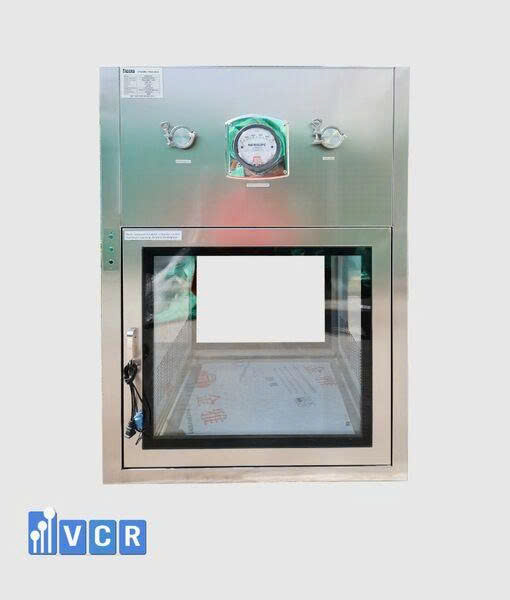
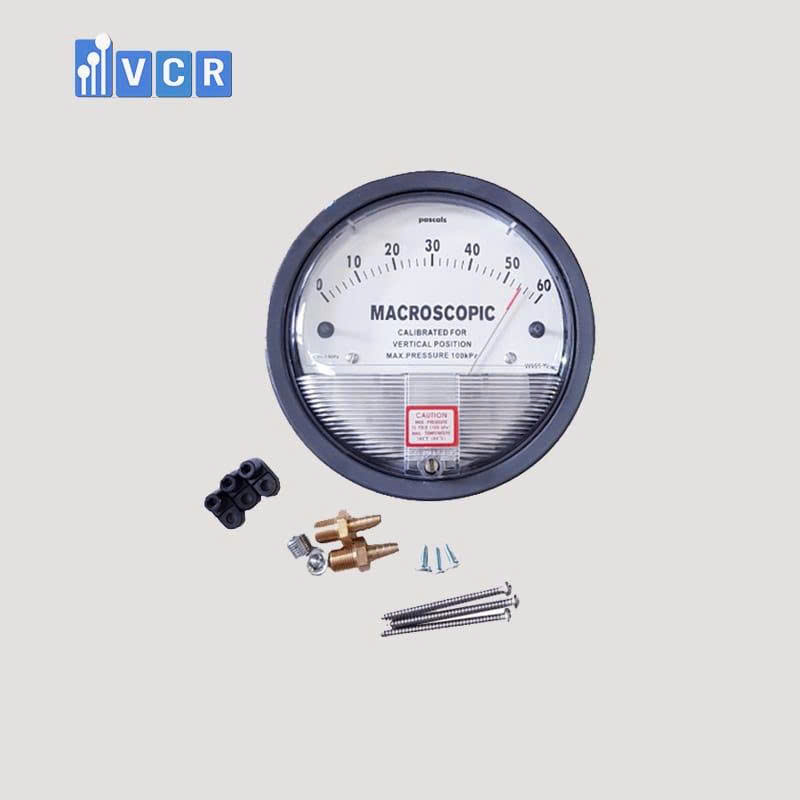
Yes; airflow velocity, pressure, and cleanliness must be continuously monitored.
Is validation required?
Yes; airflow performance and system integrity must be tested and verified.
Does laminar flow affect overall airflow?
Yes; it is typically used locally. Incorrect application can disrupt overall system balance.
Is laminar flow suitable for all food products?
No; only for products requiring high contamination control. Most food production does not need it.
What are common mistakes?
Applying pharmaceutical-level laminar flow unnecessarily; this increases cost without added value.
Are there alternatives?
Yes; turbulent airflow combined with HEPA filtration and pressure control is sufficient for many applications.
What is more important than laminar flow?
Overall system design—HVAC, SOPs, and personnel control. Laminar flow is only one component.
Is laminar flow necessary in food cleanrooms?
In most cases, laminar flow is not required for entire food cleanrooms; turbulent airflow systems are sufficient for standard production. Laminar flow should only be applied in critical zones such as aseptic processing or highly sensitive products. The decision must be based on risk assessment, product requirements, and cost efficiency to ensure effective contamination control without unnecessary expense.
Duong VCR