- What are microbiological limits?
- Is there a universal limit for all foods?
- What are the key microbiological parameters?
- What is Total Viable Count (TVC)?
- What are the limits for E. coli?
- Is Salmonella allowed?
- Are yeast and mold regulated?
- Which standards define microbiological limits?
- How does HACCP relate to microbiological limits?
- Does GMP define specific limits?
- How do cleanrooms help meet limits?
- What is the role of HVAC?
- How do HEPA filters help?
- How does airflow affect contamination?
- What is the role of pressure differentials?
- Is routine microbiological testing required?
- Is environmental monitoring required?
- How do personnel affect contamination?
- Is zero microorganisms achievable?
- What are common mistakes?
- What is the most important factor?
- What are the microbiological limits in food?
From the perspective of “VCR cleanroom equipment,” microbiological limits represent risk thresholds defined by science, standards, and operational capability—not universal numbers.
What are microbiological limits?
Microbiological limits are the maximum allowable levels of microorganisms in food, expressed in CFU/g or CFU/ml. These limits ensure product safety and stability throughout shelf life. Different microorganisms have different acceptable limits depending on their risk.
Is there a universal limit for all foods?
No; each food category has its own limits. Ready-to-eat foods, infant products, and export goods have stricter requirements than raw or cooked-before-consumption foods.
What are the key microbiological parameters?
Common parameters include Total Viable Count (TVC), coliforms, E. coli, Salmonella, Staphylococcus aureus, yeast, and mold. Each indicates different hygiene or safety risks.
What is Total Viable Count (TVC)?
TVC reflects the overall microbial load in a product. High values indicate poor hygiene or improper storage conditions.
What are the limits for E. coli?
E. coli is an indicator of fecal contamination. In many foods, it must be absent or present at very low levels. It is a critical safety indicator.
Is Salmonella allowed?
No; Salmonella is a serious pathogen and must be absent in specified sample sizes (e.g., 25 g).
Are yeast and mold regulated?
Yes; they cause spoilage and may produce toxins. Limits vary by product type and shelf life.
Which standards define microbiological limits?
Standards and regulations from International Organization for Standardization, Codex Alimentarius, EU, FDA, and national authorities define specific limits. Compliance depends on target markets.
How does HACCP relate to microbiological limits?
HACCP identifies Critical Control Points (CCPs) and sets microbiological limits at these points. It is a key risk management system.
Does GMP define specific limits?
No; GMP requires safe production conditions but does not specify exact numerical limits.
How do cleanrooms help meet limits?
Cleanrooms reduce airborne microbial load and prevent cross-contamination, supporting compliance.
What is the role of HVAC?
HVAC controls temperature, humidity, and airflow—key factors influencing microbial growth.
How do HEPA filters help?
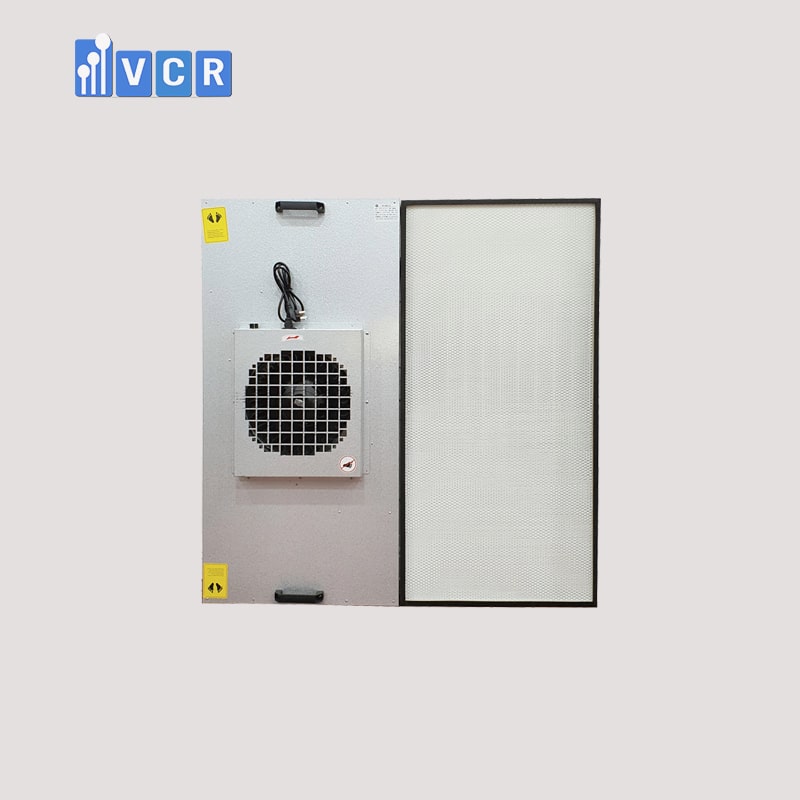
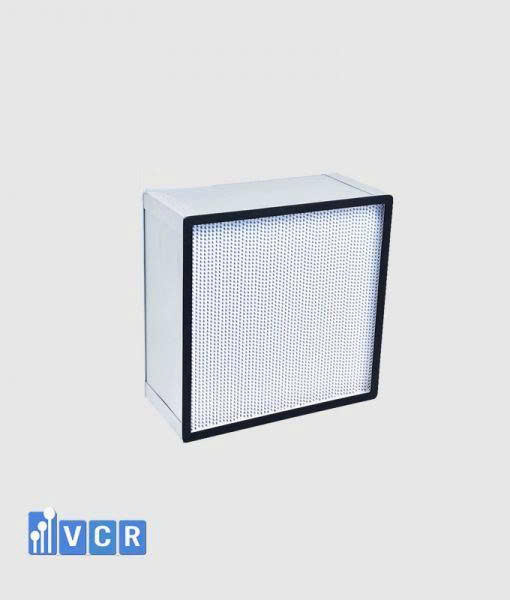
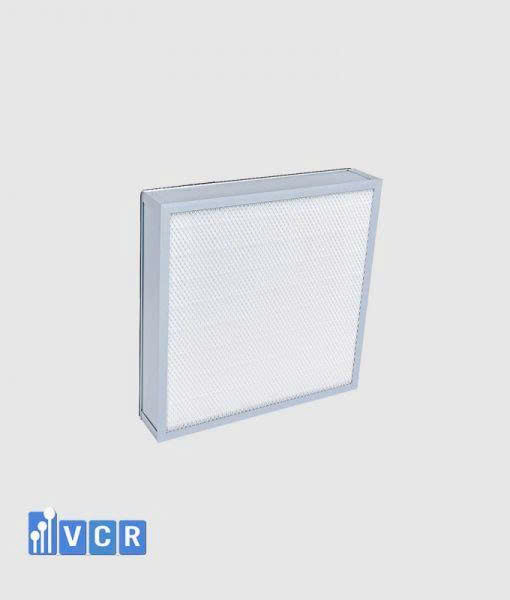
HEPA filters remove airborne particles carrying microorganisms, reducing environmental contamination.
How does airflow affect contamination?
Airflow determines how microorganisms move. Poor design can lead to cross-contamination.
What is the role of pressure differentials?
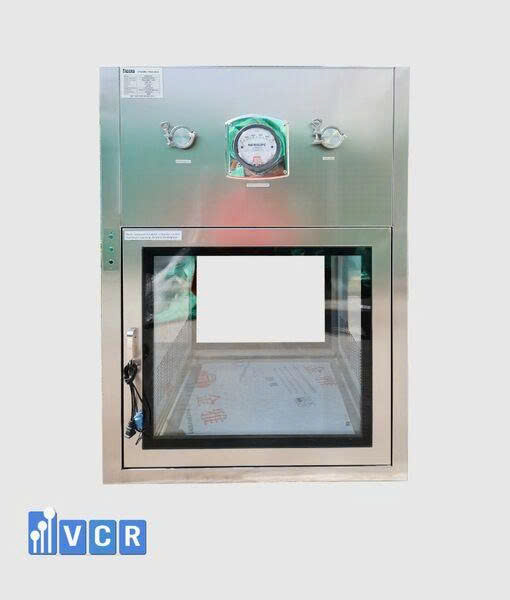
They prevent contaminated air from entering clean areas, maintaining environmental control.
Is routine microbiological testing required?
Yes; periodic testing verifies control effectiveness and ensures compliance.
Is environmental monitoring required?
Yes; monitoring detects deviations early and maintains system stability.
How do personnel affect contamination?
Personnel are the largest source of microorganisms. Proper hygiene, clothing, and training are essential.
Is zero microorganisms achievable?
No; the goal is “not detected” within test limits, not absolute zero.
What are common mistakes?
Applying the same limits to all products or focusing only on final product testing without process control.
What is the most important factor?
Understanding the product, process, and regulatory requirements to set appropriate limits.
What are the microbiological limits in food?
Microbiological limits depend on product type and applicable standards. For many foods, total viable counts may range around 10³–10⁵ CFU/g, while pathogens such as Salmonella and E. coli are typically required to be absent in specified sample sizes. Exact values are defined by international and national regulations. Achieving compliance requires integrated control of raw materials, environment, processes, cleanroom systems, and HACCP to ensure safety, quality, and shelf-life stability.
Duong VCR