- What is contamination in food?
- What are the main contamination categories?
- How do personnel cause contamination?
- How does air contribute to contamination?
- How can water cause contamination?
- How do raw materials contribute?
- How do equipment and surfaces cause contamination?
- Can production processes cause contamination?
- Are storage and transport sources of contamination?
- Which standards relate to contamination control?
- How do cleanrooms control contamination sources?
- What is the role of HVAC?
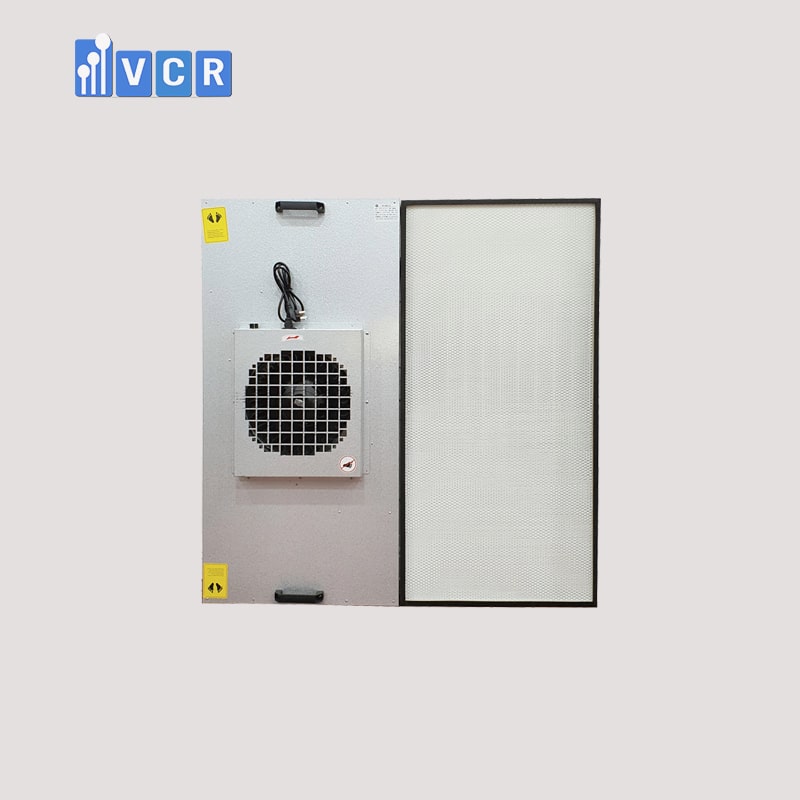
- Are HEPA filters effective?
- How does airflow affect contamination?
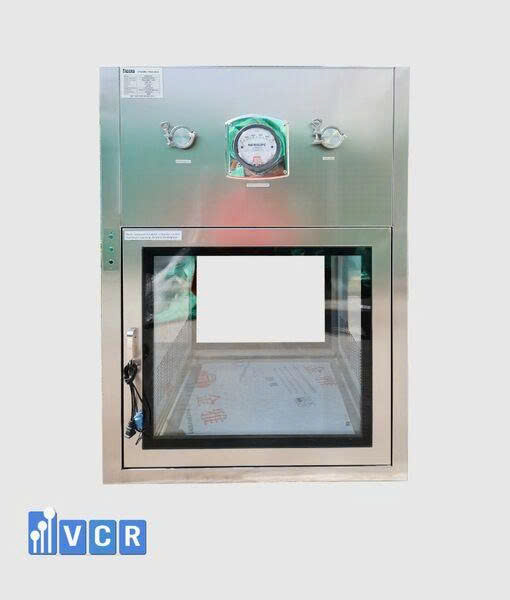
- What is the role of pressure differentials?
- Is personnel control necessary?
- Is routine testing required?
- What is the role of SOPs?
- What are common mistakes?
- What is the most important factor?
- What are the sources of contamination in food production?
From the perspective of “VCR cleanroom equipment,” contamination control is not about fixing problems after they occur, but about controlling sources from the beginning—accurate identification leads to optimal control cost.
What is contamination in food?
Contamination is the introduction of unwanted agents into food, including microorganisms (bacteria, fungi), chemicals (residues, cleaning agents), and physical contaminants (dust, metal, foreign objects). It can occur at any stage of production—from raw materials to finished products. Many forms of contamination are invisible but can significantly impact consumer health and product integrity.
What are the main contamination categories?
Three main categories: biological, chemical, and physical contamination. Biological involves microorganisms; chemical involves residues and toxins; physical involves foreign objects. Each requires different control strategies.
How do personnel cause contamination?
Personnel are the largest contamination source due to microorganisms carried on skin, hair, and respiratory droplets. Activities such as talking, coughing, and movement increase contamination risk. Improper clothing and hygiene further contribute.
How does air contribute to contamination?
Air carries particles that may contain microorganisms. These particles can settle on products if not properly filtered. Airborne contamination is difficult to control without engineered systems.
How can water cause contamination?
Water used in washing, processing, or as an ingredient may contain microorganisms or chemicals. Without proper treatment and monitoring, it becomes a continuous contamination source.
How do raw materials contribute?
Raw materials may carry microorganisms, pesticide residues, or foreign matter. Poor incoming control allows contamination to spread throughout the process.
How do equipment and surfaces cause contamination?
Food-contact surfaces can accumulate microorganisms. Poor hygienic design (crevices, dead zones) and inadequate cleaning lead to buildup and cross-contamination.
Can production processes cause contamination?
Yes; poorly designed workflows can create cross-contamination between areas. For example, reverse flow of personnel or materials spreads contaminants.
Are storage and transport sources of contamination?
Yes; improper temperature and humidity during storage or transport can promote microbial growth. Inadequate packaging also increases risk.
Which standards relate to contamination control?
Standards such as International Organization for Standardization 14644 support air cleanliness control; HACCP manages process hazards; GMP ensures proper production conditions. Together they provide a control framework.
How do cleanrooms control contamination sources?
Cleanrooms reduce airborne particles and microorganisms and use zoning to limit cross-contamination. They are a key technical solution.
What is the role of HVAC?
HVAC controls temperature, humidity, and airflow—factors that influence microbial growth and contamination spread.
Are HEPA filters effective?
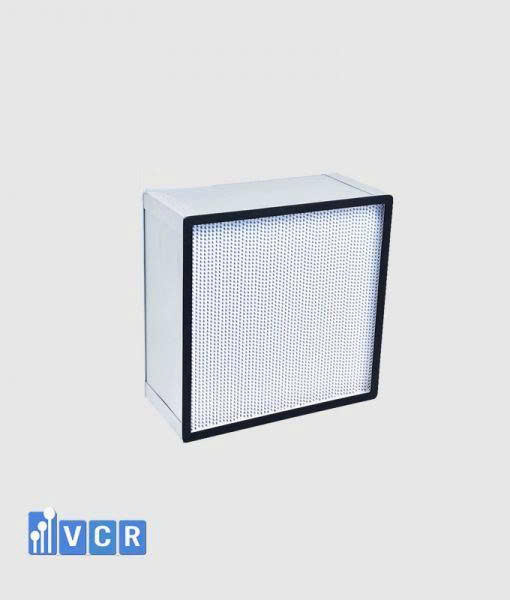
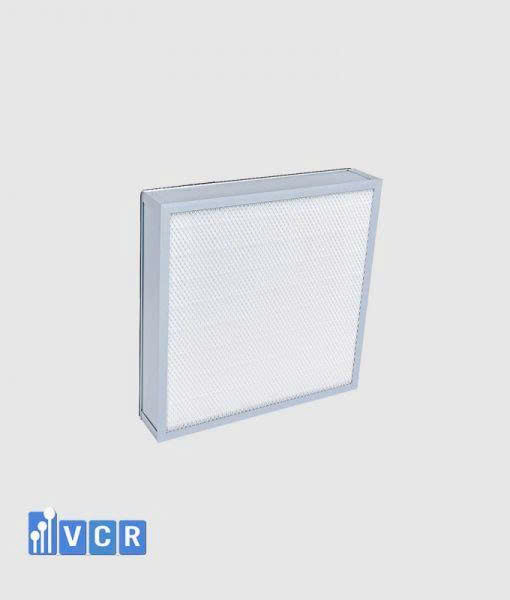
Yes; HEPA filters remove airborne particles and microorganisms, acting as a critical barrier.
How does airflow affect contamination?
Airflow determines how contaminants move. Poor design leads to cross-contamination between zones.
What is the role of pressure differentials?
Pressure differentials control airflow direction and prevent contamination from entering clean areas.
Is personnel control necessary?
Yes; training, proper clothing, and behavior control are essential. Personnel are the most critical factor.
Is routine testing required?
Yes; environmental and microbiological testing helps detect risks early and verify control effectiveness.
What is the role of SOPs?
SOPs standardize operations, cleaning, and monitoring, reducing variability and errors.
What are common mistakes?
Focusing on one source (e.g., surface cleaning) while ignoring others like air or personnel. This leads to ineffective control.
What is the most important factor?
Integrated control of all contamination sources. No single solution is sufficient.
What are the sources of contamination in food production?
Contamination sources in food production include personnel, air, water, raw materials, equipment, surfaces, processes, storage, and transportation. Each source can introduce biological, chemical, or physical contaminants. Effective control requires an integrated system combining cleanroom design, HVAC, HEPA filtration, HACCP, and GMP. The key is to identify all sources and control them at the origin rather than reacting to contamination after it occurs, ensuring food safety and consistent product quality.
Duong VCR