- What is a food cleanroom?
- Why are cleanrooms necessary in the food industry?
- How does a cleanroom differ from a conventional factory?
- Do cleanrooms control microorganisms?
- Which standards apply to food cleanrooms?
- What ISO class is suitable?
- What is the role of HVAC?
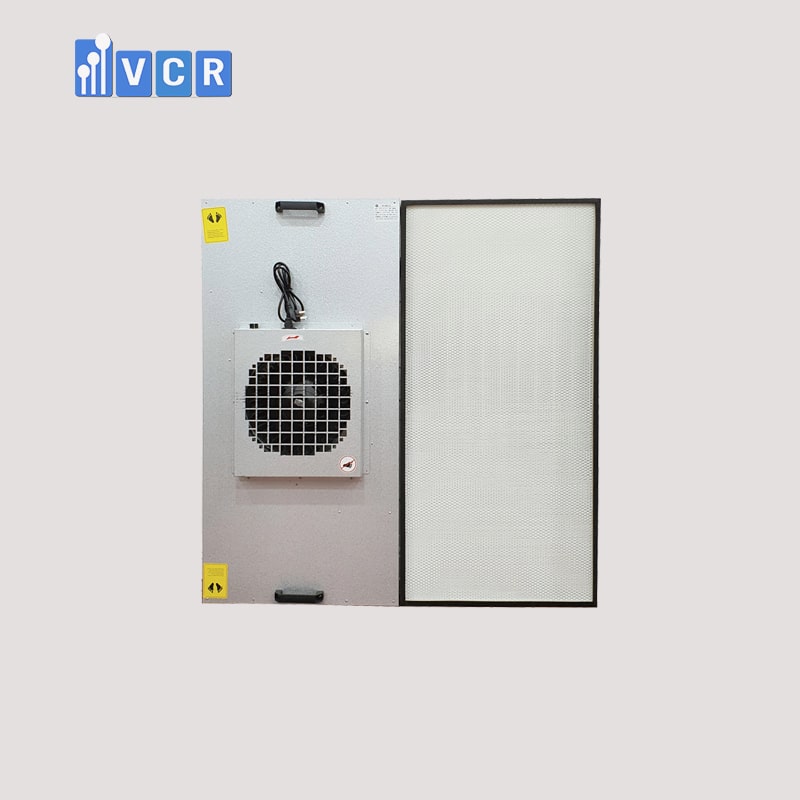
- Are HEPA filters necessary?
- How does airflow affect contamination control?
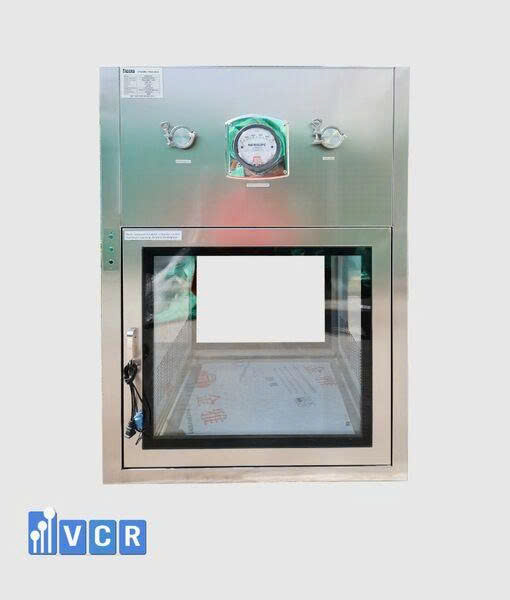
- What is the role of pressure differentials?
- Do cleanrooms extend product shelf life?
- Are cleanrooms mandatory in food production?
- Do cleanrooms increase cost?
- How do personnel impact cleanroom performance?
- Is monitoring necessary?
- Is microbial testing required?
- What are common mistakes?
- What are typical applications?
- What is the most important factor?
- What is a food cleanroom and why is it necessary?
From the perspective of “VCR cleanroom equipment,” a food cleanroom is not just a clean space—it is a fully integrated control system where environment, people, and processes must operate in alignment to ensure food safety.
What is a food cleanroom?
A food cleanroom is a controlled production environment designed to manage airborne particles, microorganisms, temperature, humidity, and airflow to minimize contamination of food products. Unlike conventional factories, it applies structured control measures such as air filtration, zoning, pressure control, and strict operational procedures. The goal is to create a stable and predictable environment that protects product integrity and ensures consistent quality. It is widely used in high-sensitivity food production sectors.
Why are cleanrooms necessary in the food industry?
Food products are highly susceptible to contamination from microorganisms and environmental particles. Without proper control, contamination can lead to spoilage, reduced shelf life, and health risks for consumers. Cleanrooms significantly reduce these risks by controlling environmental conditions. They also help manufacturers meet export standards and regulatory requirements, making them essential for modern food production and global competitiveness.
How does a cleanroom differ from a conventional factory?
A conventional factory typically does not control environmental parameters in a structured way, whereas a cleanroom strictly manages air quality, personnel movement, and material flow. Cleanrooms use HVAC systems, HEPA filtration, and zoning strategies to minimize contamination. This difference directly impacts product safety and consistency, making cleanrooms critical for sensitive food applications.
Do cleanrooms control microorganisms?
Yes; controlling microbial contamination is a primary objective. Cleanrooms reduce airborne and surface microorganisms through filtration and controlled airflow. However, they must be combined with cleaning procedures and SOPs to achieve full effectiveness.
Which standards apply to food cleanrooms?
Food cleanrooms typically follow International Organization for Standardization 14644 for air cleanliness, along with HACCP and GMP for food safety and process control. These standards work together to ensure both environmental and procedural safety.
What ISO class is suitable?
ISO 7 or ISO 8 is commonly used for general food production areas. For highly sensitive processes, ISO 5 may be applied in critical zones. The selection depends on product type and contamination risk.
What is the role of HVAC?
HVAC systems control temperature, humidity, airflow, and air quality. They ensure a stable environment and are the foundation of cleanroom performance. Poor HVAC control can lead to contamination risks.
Are HEPA filters necessary?
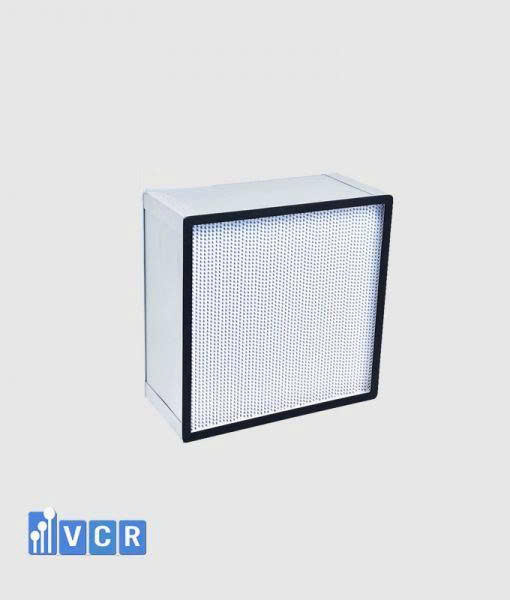
Yes; HEPA filters remove airborne particles and microorganisms, ensuring clean air supply. However, they must be integrated with proper airflow design to be effective.
How does airflow affect contamination control?
Airflow determines how contaminants move within the space. Proper airflow removes particles efficiently, while poor design can create turbulence and contamination zones.
What is the role of pressure differentials?
Pressure differentials control airflow direction between zones, preventing cross-contamination. Positive pressure is commonly used to protect clean areas in food production.
Do cleanrooms extend product shelf life?
Yes; by reducing microbial contamination, cleanrooms help extend shelf life and maintain product quality over time.
Are cleanrooms mandatory in food production?
Not always; however, for high-quality or export-oriented products, cleanrooms are often required to meet standards and ensure safety.
Do cleanrooms increase cost?
Yes; they require higher investment and operating cost. However, they reduce product loss and improve quality, making them a strategic investment.
How do personnel impact cleanroom performance?
Personnel are the largest contamination source. Proper gowning, behavior control, and training are essential to maintain clean conditions.
Is monitoring necessary?
Yes; continuous monitoring ensures environmental stability and early detection of deviations; it is critical for modern cleanroom operation.
Is microbial testing required?
Yes; periodic microbial testing validates environmental control effectiveness and supports compliance.
What are common mistakes?
Over-specifying ISO levels, poor HVAC design, lack of airflow control, and inadequate personnel management; these reduce effectiveness and increase cost.
What are typical applications?
Food cleanrooms are used in dairy production, nutraceuticals, ready-to-eat meals, beverages, and export food industries, especially where hygiene requirements are high.
What is the most important factor?
System integration—design, equipment, and operation must work together; no single element ensures performance.
What is a food cleanroom and why is it necessary?
A food cleanroom is a controlled production environment designed to minimize contamination and ensure food safety. It is necessary because it reduces microbial risk, improves product quality, extends shelf life, and enables compliance with international standards. In modern food industries, cleanrooms are not only a technical requirement but also a strategic advantage for sustainable growth.
Duong VCR