- What is microbial contamination in food?
- What are the main types of microorganisms?
- At which stages does contamination occur?
- What are the main contamination sources?
- How does air contribute to contamination?
- Which standards are related to microbial control?
- How does contamination affect products?
- Can contamination be detected visually?
- How do cleanrooms help control microorganisms?
- What is the role of HVAC?
- Are HEPA filters effective?
- How does airflow affect contamination?
- What is the role of pressure differentials?
- How does HACCP control microorganisms?
- Is routine microbial testing required?
- How do personnel impact contamination?
- Can microorganisms be completely eliminated?
- What are common mistakes?
- What is the most important factor in control?
- What is microbial contamination in food?
From the perspective of “VCR cleanroom equipment,” microbial contamination is not an isolated issue but the result of an unbalanced control system—where environment, personnel, and processes are not properly managed.
What is microbial contamination in food?
Microbial contamination refers to the presence and growth of microorganisms such as bacteria, yeast, and mold in food products. This can occur at any stage—from raw materials and processing to packaging, storage, and distribution. Contamination may alter sensory properties (taste, smell, color), reduce nutritional value, and in severe cases cause foodborne illness. A key challenge is that microbial contamination is often invisible to the naked eye, making systematic monitoring essential.
What are the main types of microorganisms?
The main groups include bacteria (e.g., Salmonella, E. coli), yeast, and mold. Bacteria are often associated with health risks, while yeast and mold typically cause spoilage and may produce toxins. Each group has different growth conditions.
At which stages does contamination occur?
Contamination can occur throughout the production chain: raw material handling, processing, packaging, storage, and transportation. Post-processing stages are particularly vulnerable if the environment is not controlled.
What are the main contamination sources?
Primary sources include personnel, air, equipment, surfaces, and raw materials. Among these, human activity and airborne contamination are the most difficult to control without cleanroom systems.
How does air contribute to contamination?
Air carries particles that may contain microorganisms. Without proper filtration and airflow control, these particles can settle on products and cause contamination.
Which standards are related to microbial control?
Standards such as International Organization for Standardization 14644 help control airborne particles, while HACCP manages process-related hazards. Together, they provide effective control.
How does contamination affect products?
It leads to spoilage, reduced shelf life, and potential health risks. It also impacts brand reputation and export capability.
Can contamination be detected visually?
No; microorganisms are typically invisible. Laboratory testing is required for detection and monitoring.
How do cleanrooms help control microorganisms?
Cleanrooms reduce airborne particles and microorganisms by controlling air quality. They are essential for minimizing cross-contamination.
What is the role of HVAC?
HVAC controls temperature, humidity, and airflow—key factors influencing microbial growth and spread.
Are HEPA filters effective?
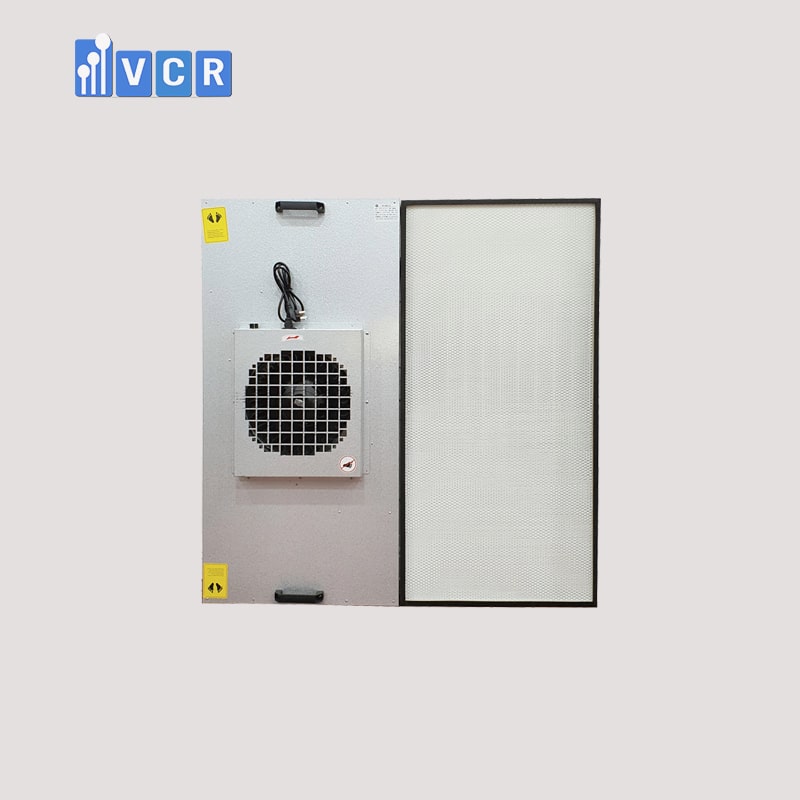
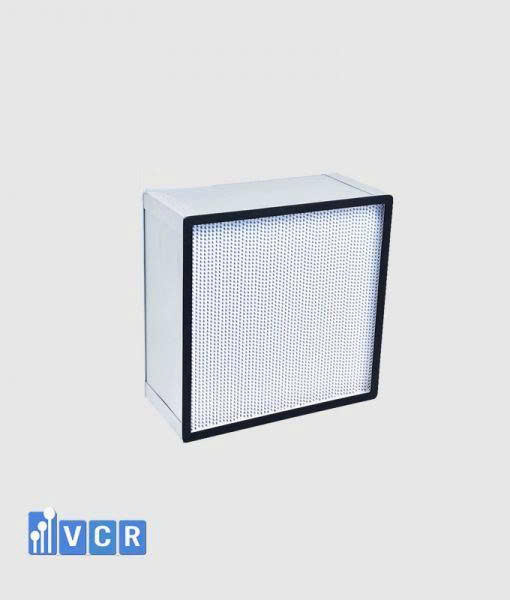
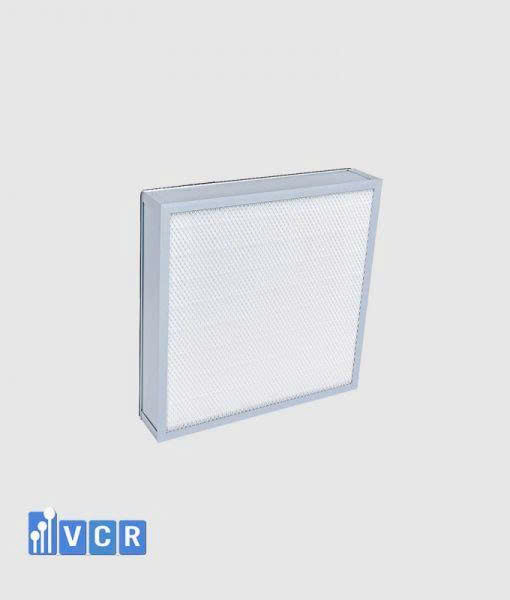
Yes; HEPA filters remove particles carrying microorganisms, serving as a critical barrier in air filtration systems.
How does airflow affect contamination?
Airflow determines how microorganisms move within a space. Poor design can spread contamination between zones.
What is the role of pressure differentials?
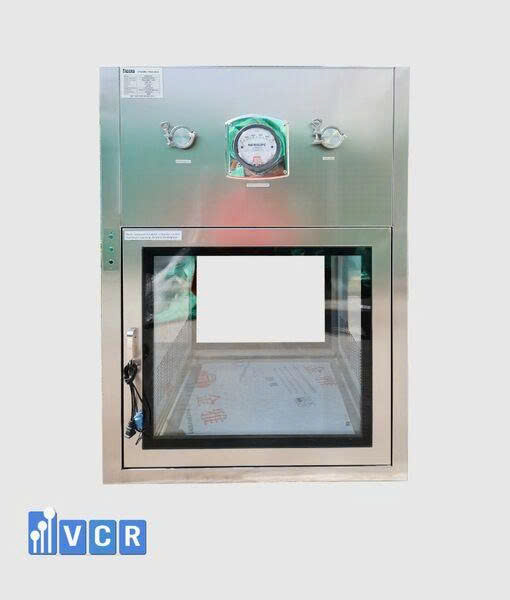
Pressure differentials prevent contaminated air from entering clean areas, reducing cross-contamination risk.
How does HACCP control microorganisms?
HACCP identifies critical control points (CCPs) and sets limits to prevent microbial growth. It is a key risk management tool.
Is routine microbial testing required?
Yes; periodic testing verifies the effectiveness of control systems and detects early risks.
How do personnel impact contamination?
Personnel are the largest contamination source. Proper gowning, hygiene, and training are essential.
Can microorganisms be completely eliminated?
No; the goal is to control them within acceptable limits. Complete elimination is not practical in food production.
What are common mistakes?
Focusing only on surface cleaning while ignoring air and process control. This fails to address root causes.
What is the most important factor in control?
An integrated system controlling environment, personnel, and processes. Missing any element reduces effectiveness.
What is microbial contamination in food?
Microbial contamination in food is the presence and growth of microorganisms that can spoil products or cause safety risks. It results from multiple sources such as air, personnel, and processes. Effective control requires an integrated system including cleanrooms, HVAC, HEPA filtration, HACCP, and environmental standards like ISO 14644. The objective is not complete elimination but maintaining microorganisms within safe limits, ensuring product quality, extended shelf life, and compliance with international standards.
Duong VCR