- What is a food cleanroom?
- What is a pharmaceutical cleanroom?
- What are the similarities?
- What is the biggest difference?
- How do standards differ?
- Are ISO classes different?
- How does microbial control differ?
- Are sterility requirements different?
- Is HVAC design different?
- Are HEPA requirements different?
- Is airflow design different?
- Are pressure differentials different?
- Are SOPs different?
- Is monitoring different?
- Is validation different?
- Are costs different?
- Are applications different?
- What is a common mistake?
- What is the most important factor?
- What is the difference between food and pharmaceutical cleanrooms?
From the perspective of “VCR cleanroom equipment,” both types share the same technical foundation, but differ in control philosophy: food focuses on consumer safety, while pharmaceuticals demand stricter sterility and risk control.
What is a food cleanroom?
A food cleanroom is a controlled production environment designed to reduce contamination and ensure food safety. It focuses on controlling particles, microorganisms, temperature, humidity, and airflow. The level of control depends on product type and processing requirements. It is commonly used in food processing industries where hygiene is critical but absolute sterility is not always required.
What is a pharmaceutical cleanroom?
A pharmaceutical cleanroom is a highly controlled environment used for drug manufacturing, with strict requirements for sterility and contamination control. It directly impacts patient safety, especially for sterile products like injectables. Regulatory requirements are significantly stricter than in food production.
What are the similarities?
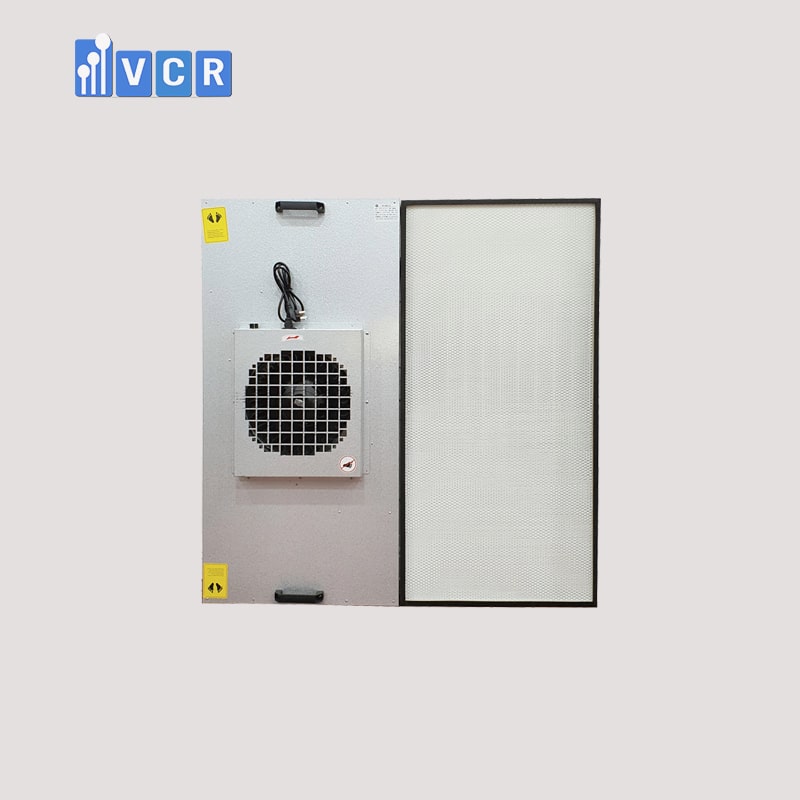
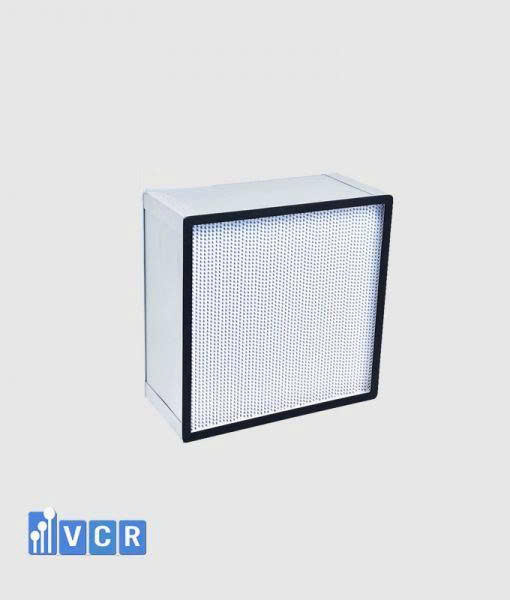
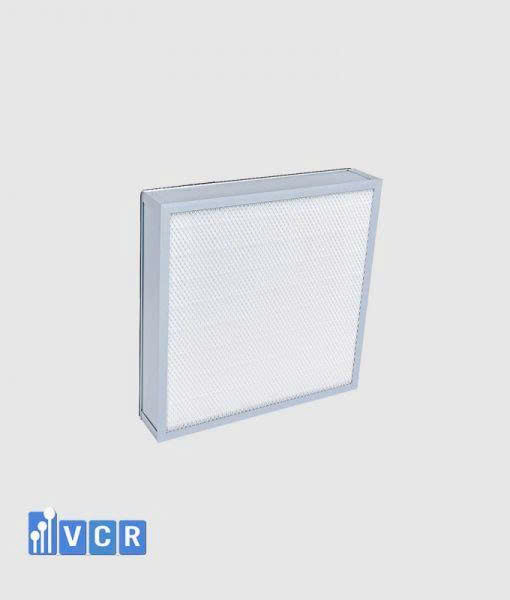
Both use environmental control principles such as HVAC systems, HEPA filtration, airflow management, pressure differentials, SOPs, and monitoring. The goal in both cases is to control contamination and ensure product quality.
What is the biggest difference?
The level of control and sterility requirements. Pharmaceutical cleanrooms demand much stricter control, especially for sterile production. Food cleanrooms are more flexible and risk-based.
How do standards differ?
Both apply International Organization for Standardization 14644 for air cleanliness. However, pharmaceutical cleanrooms must also comply with strict GMP regulations (e.g., EU GMP), while food cleanrooms follow HACCP and food GMP. Pharmaceutical standards are more regulated and enforced.
Are ISO classes different?
Yes; food cleanrooms typically use ISO 7–8, while pharmaceutical cleanrooms often require ISO 5 in critical areas. Pharmaceutical environments require lower particle levels.
How does microbial control differ?
Pharmaceutical cleanrooms have strict microbial limits and monitoring requirements. Food cleanrooms also control microorganisms but with more flexibility depending on product type.
Are sterility requirements different?
Yes; pharmaceutical production—especially sterile products—requires near-absolute sterility in critical steps. Food production rarely requires this level.
Is HVAC design different?
The principles are similar, but pharmaceutical systems require higher stability and tighter control. They are generally more complex.
Are HEPA requirements different?
Both use HEPA filters, but pharmaceutical cleanrooms require stricter validation and performance monitoring.
Is airflow design different?
Pharmaceutical cleanrooms frequently use laminar airflow in critical zones. Food cleanrooms more commonly use mixed airflow systems.
Are pressure differentials different?
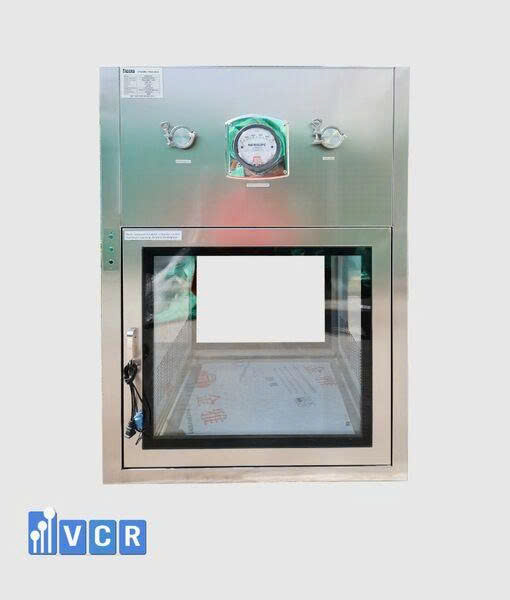
The principle is the same, but pharmaceutical environments require stricter pressure control to prevent cross-contamination.
Are SOPs different?
Pharmaceutical SOPs are more detailed and strictly enforced due to regulatory requirements. Food SOPs are important but generally more flexible.
Is monitoring different?
Pharmaceutical cleanrooms require continuous and rigorous monitoring. Food cleanrooms apply monitoring based on risk level.
Is validation different?
Pharmaceutical cleanrooms require comprehensive validation (DQ, IQ, OQ, PQ). Food cleanrooms also require validation but typically less complex.
Are costs different?
Yes; pharmaceutical cleanrooms are significantly more expensive due to higher standards and complexity. Food cleanrooms allow more cost optimization.
Are applications different?
Food cleanrooms are used in dairy, processed foods, and nutraceuticals. Pharmaceutical cleanrooms are used for drugs, vaccines, and medical products.
What is a common mistake?
Applying pharmaceutical standards unnecessarily to food production; this increases cost without proportional benefit.
What is the most important factor?
Alignment with product requirements and risk level. There is no one-size-fits-all solution.
What is the difference between food and pharmaceutical cleanrooms?
The main difference lies in control level and sterility requirements: food cleanrooms focus on consumer safety and practical microbial control, while pharmaceutical cleanrooms require stricter environmental control, often including ISO 5 zones and full GMP compliance. Although both use similar technologies such as HVAC, HEPA, and airflow control, the correct approach is to design based on product risk and application to ensure both effectiveness and cost efficiency.
Duong VCR