- What is ISO 14644?
- Does ISO 14644 apply to food production?
- How does ISO 14644 classify cleanrooms?
- What ISO class is suitable for food cleanrooms?
- What does ISO 14644 control?
- Does ISO control microorganisms?
- Is ISO 14644 mandatory?
- How is ISO related to HACCP?
- How is ISO related to GMP?
- How can ISO 14644 be achieved?
- What is the role of HVAC?
- Are HEPA filters necessary?
- How does airflow affect ISO compliance?
- What is the role of pressure differentials?
- Is monitoring required?
- Is validation required?
- Does ISO affect cost?
- What are common mistakes?
- What is the most important factor?
- What is the ISO 14644 standard for food cleanrooms?
From the perspective of “VCR cleanroom equipment,” ISO 14644 is not just a particle-count standard but a foundation for designing stable environmental control systems in food production.
What is ISO 14644?
ISO 14644 is a set of standards issued by the International Organization for Standardization that defines air cleanliness levels based on airborne particle concentration. It provides methods for classification, measurement, and verification of cleanroom environments. It is widely used across industries such as food, pharmaceuticals, and electronics. This standard forms the technical basis for environmental control.
Does ISO 14644 apply to food production?
Yes; although not specifically designed for food, it is widely applied to control production environments. In food manufacturing, particle control is directly linked to microbial contamination risk. However, it must be combined with HACCP and GMP for comprehensive safety. ISO alone is not sufficient.
How does ISO 14644 classify cleanrooms?
ISO 14644 classifies cleanrooms from ISO 1 to ISO 9 based on the allowable number of particles per cubic meter of air. ISO 1 is the cleanest, while ISO 9 is closest to normal environments. Classification is typically based on particle sizes such as 0.5 µm. This forms the basis for design and validation.
What ISO class is suitable for food cleanrooms?
ISO 7 or ISO 8 is commonly used for general food production areas. For sensitive processes such as aseptic packaging, ISO 5 may be required in critical zones. Selection depends on product type and risk level. There is no universal ISO class for all applications.
What does ISO 14644 control?
It controls airborne particle concentration. Particles can carry microorganisms or contaminate products. By controlling particles, the risk of contamination is indirectly reduced. However, ISO does not directly measure microorganisms.
Does ISO control microorganisms?
Not directly; ISO focuses on particles, while microbial control requires separate testing. However, lower particle levels often correlate with lower microbial presence. Therefore, ISO contributes indirectly to microbial control.
Is ISO 14644 mandatory?
Not always; it is not required in all food facilities. However, it is commonly used in export-oriented or high-quality production. It is widely recognized internationally.
How is ISO related to HACCP?
ISO controls environmental conditions, while HACCP controls process hazards. Together, they provide comprehensive risk management in food production.
How is ISO related to GMP?
GMP requires appropriate manufacturing conditions, including environmental control. ISO 14644 supports GMP compliance by ensuring air cleanliness. They are complementary systems.
How can ISO 14644 be achieved?
By designing proper HVAC systems, using HEPA filtration, controlling airflow and pressure differentials, and maintaining proper operation and maintenance. It requires a complete system approach.
What is the role of HVAC?
HVAC controls temperature, humidity, and airflow. It is the main system for achieving and maintaining ISO conditions. Without stable HVAC, ISO cannot be maintained.
Are HEPA filters necessary?
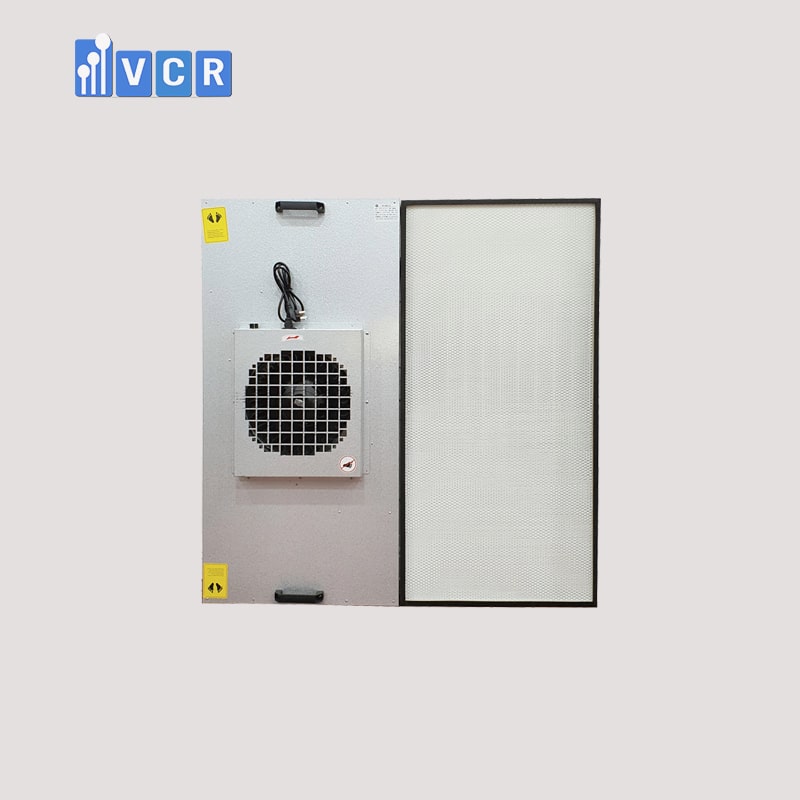
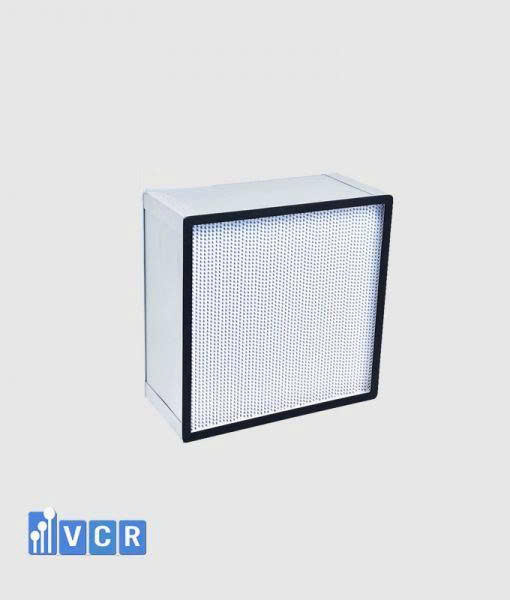
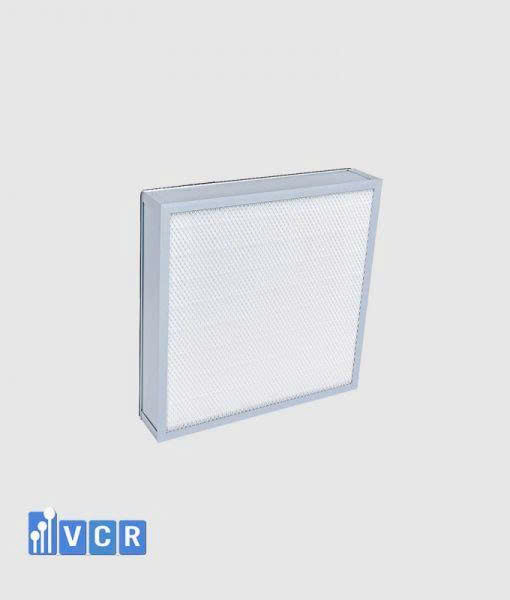
Yes; HEPA filters remove airborne particles and are essential for achieving lower ISO classes. However, they must work within a properly designed system.
How does airflow affect ISO compliance?
Airflow determines how clean air is distributed. Poor airflow design reduces effectiveness and compromises ISO performance. It must be carefully engineered.
What is the role of pressure differentials?
Pressure differentials control airflow direction and help maintain clean environments. They are essential in preventing contamination.
Is monitoring required?
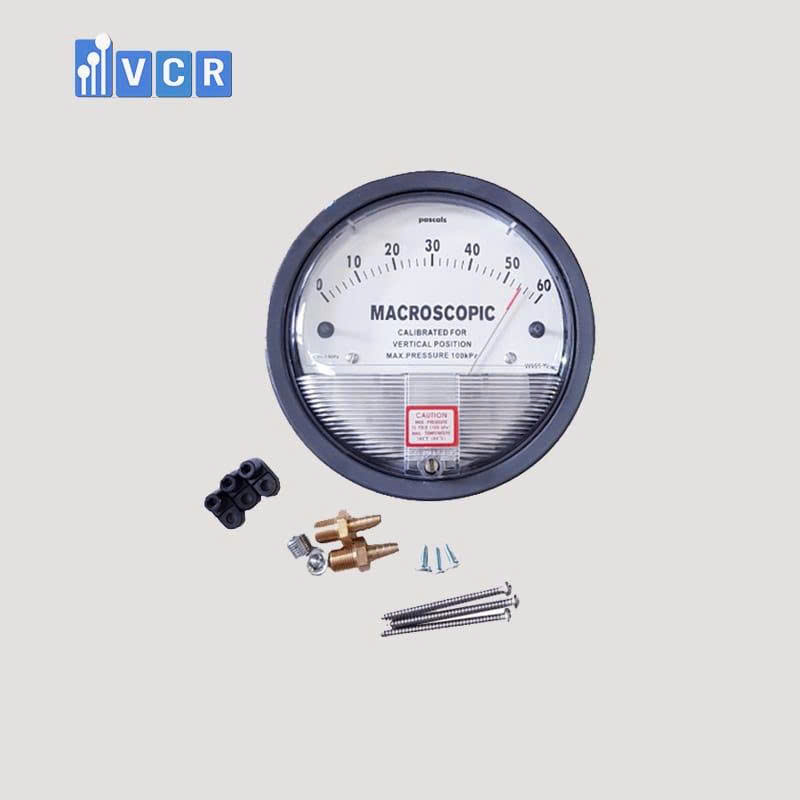
Yes; continuous monitoring of particles and environmental parameters ensures stability and detects deviations early. It is a key operational requirement.
Is validation required?
Yes; particle counting and testing confirm that the cleanroom meets ISO requirements. Validation is mandatory.
Does ISO affect cost?
Yes; lower ISO classes increase both capital and operating costs. Proper selection is important for cost efficiency.
What are common mistakes?
Selecting unnecessarily low ISO levels, poor operational control, and misunderstanding ISO as complete microbial control. These reduce effectiveness and increase cost.
What is the most important factor?
System stability; achieving ISO once is not enough—it must be maintained continuously. This is the core principle.
What is the ISO 14644 standard for food cleanrooms?
ISO 14644 defines air cleanliness levels based on particle concentration and is applied in food cleanrooms to reduce contamination risk. Typically, ISO 7–8 is used for production areas and ISO 5 for critical zones. It must be combined with HACCP and GMP for comprehensive food safety. The goal is not just achieving ISO classification but maintaining a stable and controlled environment throughout production.
Duong VCR