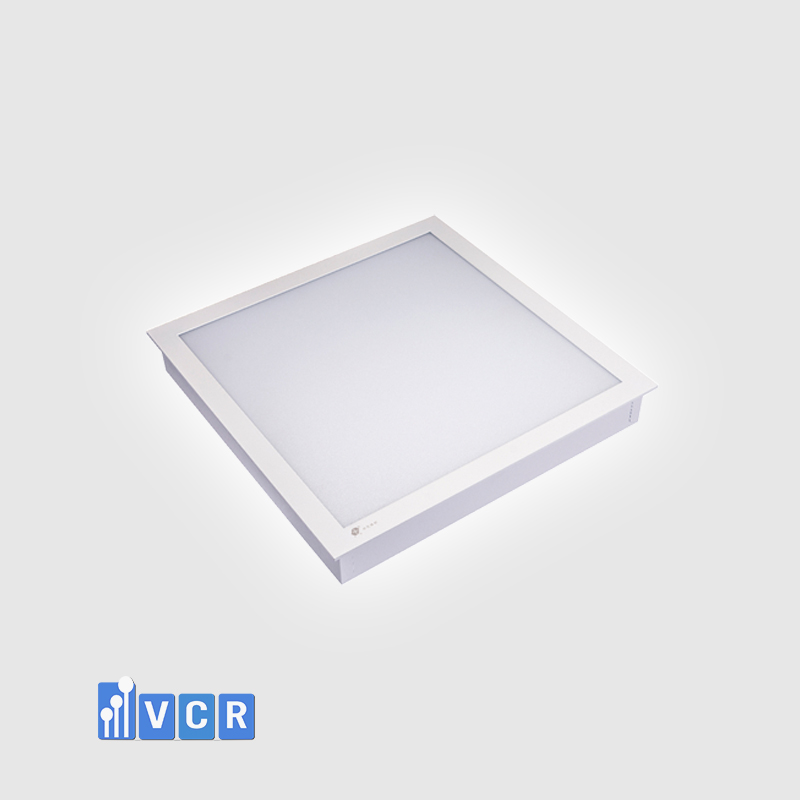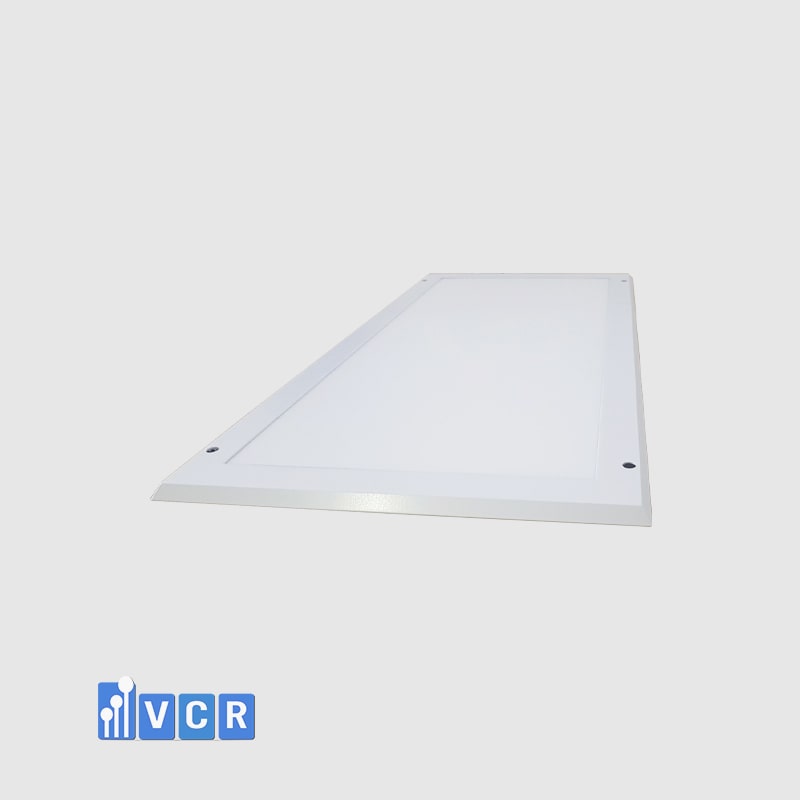
- What is a HEPA Box?
- What is the main role of a HEPA Box?
- Which standards are related?
- Do HEPA Boxes control microorganisms?
- How is a HEPA Box different from a HEPA filter?
- Where are HEPA Boxes installed?
- Do HEPA Boxes affect airflow?
- How are HEPA Boxes related to HVAC?
- Do HEPA Boxes require maintenance?
- Do HEPA Boxes require testing?
- Do HEPA Boxes affect cost?
- Are HEPA Boxes needed in all cleanrooms?
- Are HEPA Boxes required for ISO 8?
- Are HEPA Boxes required for ISO 7?
- Are HEPA Boxes required for ISO 5?
- What are common mistakes?
- Can HEPA Boxes replace HVAC systems?
- What factors are important when selecting a HEPA Box?
- What is the role of a HEPA Box in a food cleanroom?
From the perspective of “VCR cleanroom equipment,” a HEPA Box is not just a filter housing—it is the final control point that determines the quality of supply air entering the cleanroom.
What is a HEPA Box?
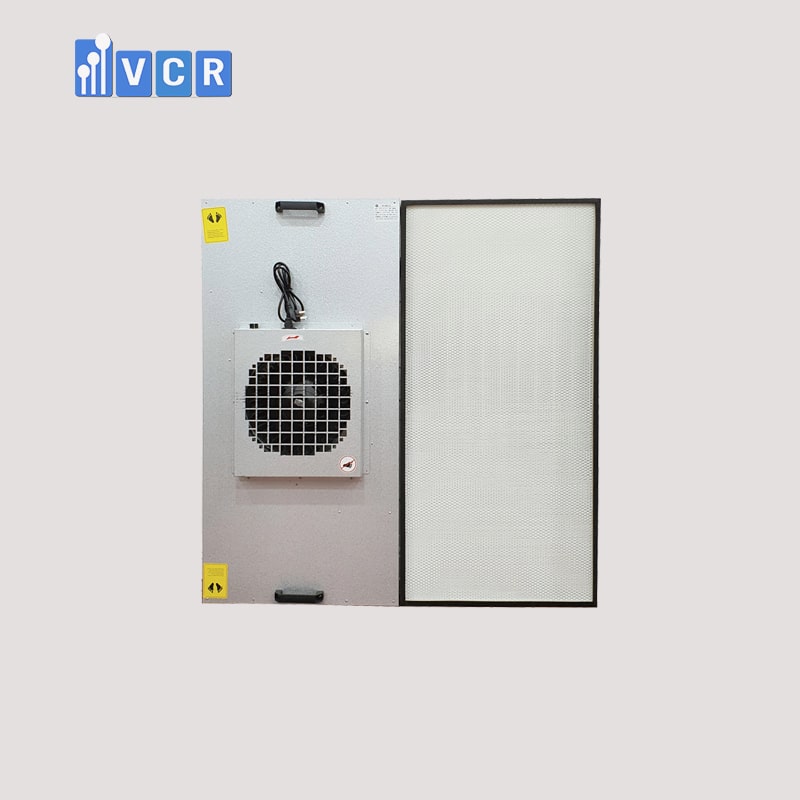
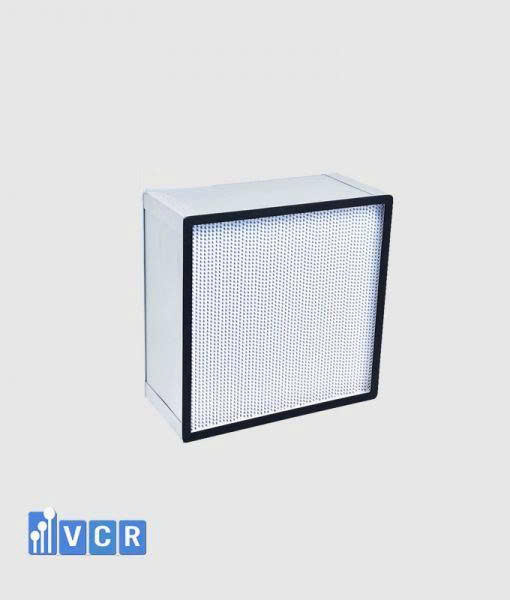
A HEPA Box is a terminal housing unit that contains a HEPA filter, typically installed at the ceiling of a cleanroom. It ensures that air supplied into the room is filtered to the required cleanliness level. It is the final stage of the HVAC system.
What is the main role of a HEPA Box?
It removes airborne particles and microorganisms from supply air, ensuring a clean and stable environment for food production. It is essential for contamination control.
Which standards are related?
HEPA Boxes help achieve air cleanliness requirements defined by International Organization for Standardization 14644. They are a technical means to meet ISO classifications.
Do HEPA Boxes control microorganisms?
Yes; by removing particles that carry microorganisms. However, they must be combined with other control measures.
How is a HEPA Box different from a HEPA filter?
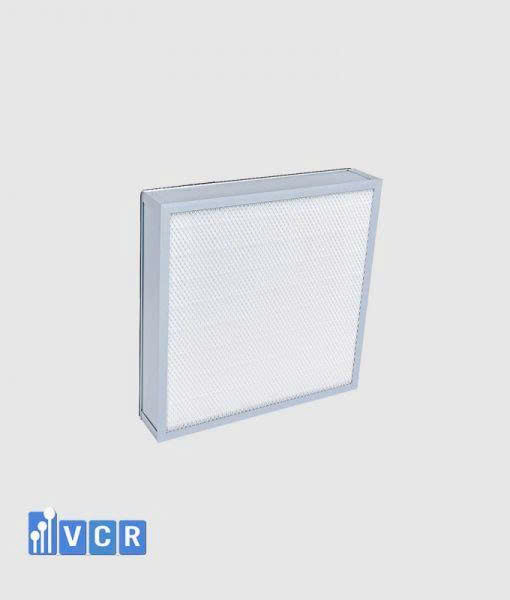
A HEPA filter is the filtration media, while a HEPA Box is a complete system including housing, sealing, and installation interface.
Where are HEPA Boxes installed?
Typically on the ceiling at supply air points, ensuring even distribution of clean air into the cleanroom.
Do HEPA Boxes affect airflow?
Yes; they influence how clean air enters the room. Poor design can disrupt airflow patterns.
How are HEPA Boxes related to HVAC?
They are the final component of the HVAC system, directly determining supply air quality.
Do HEPA Boxes require maintenance?
Yes; filters must be replaced periodically, and sealing integrity must be checked.
Do HEPA Boxes require testing?
Yes; DOP/PAO testing is required to verify filter performance and integrity.
Do HEPA Boxes affect cost?
Yes; they contribute to both capital and operational costs, but are essential for achieving cleanliness.
Are HEPA Boxes needed in all cleanrooms?
Not always; depending on cleanliness requirements, some areas may not need dedicated HEPA Boxes.
Are HEPA Boxes required for ISO 8?
Not mandatory, but they improve safety margins.
Are HEPA Boxes required for ISO 7?
Typically yes; they ensure stable air cleanliness.
Are HEPA Boxes required for ISO 5?
Yes; they are essential components for high-level cleanrooms.
What are common mistakes?
Incorrect selection or lack of maintenance, leading to reduced effectiveness.
Can HEPA Boxes replace HVAC systems?
No; they are only one part of the system and cannot function independently.
What factors are important when selecting a HEPA Box?
Airflow rate, filtration efficiency, and system compatibility. Selection must match process requirements.
What is the role of a HEPA Box in a food cleanroom?
A HEPA Box serves as the final filtration point in the HVAC system, ensuring that supply air meets ISO 14644 cleanliness requirements. By removing particles and microorganisms, it helps maintain a controlled production environment, reduces contamination risk, and supports consistent product quality. When properly designed, installed, and maintained, it becomes a critical component of food cleanroom systems.
Duong VCR