- What is pressure differential in a cleanroom?
- What is the typical pressure differential range?
- Is there a universal value?
- What is the design principle?
- Which standards are related?
- How does pressure differential control contamination?
- When is positive pressure used?
- When is negative pressure used?
- How does HVAC affect pressure differential?
- Is airflow related?
- Does pressure differential affect microorganisms?
- Is monitoring required?
- Are alarms required?
- Are SOPs required?
- Is periodic verification needed?
- What are common mistakes?
- Does pressure differential affect doors?
- Does it affect energy consumption?
- What is the most important factor?
- What is the standard pressure differential in a food cleanroom?
From the perspective of “VCR cleanroom equipment,” pressure differential is not a single number—it is a pressure cascade that ensures air always flows in the intended direction.
What is pressure differential in a cleanroom?
Pressure differential is the difference in air pressure between adjacent areas. It is used to control airflow direction and prevent contamination transfer.
What is the typical pressure differential range?
In many designs, pressure differentials range from 5–15 Pa between adjacent rooms. A common target is 10–15 Pa for higher-control areas.
Is there a universal value?
No; the required value depends on zoning, product type, and contamination control strategy. Each project must be designed specifically.
What is the design principle?
Air should flow from clean → less clean → dirty areas, forming a pressure cascade that prevents reverse airflow.
Which standards are related?
Standards such as International Organization for Standardization 14644 do not specify exact pressure values but require controlled environments. GMP and HACCP provide practical guidance.
How does pressure differential control contamination?
By directing airflow. Positive pressure in clean areas pushes air outward, preventing contaminants from entering.
When is positive pressure used?
In most food production areas, to protect products from external contamination.
When is negative pressure used?
In areas where contamination must be contained, such as raw material handling or odor control zones.
How does HVAC affect pressure differential?
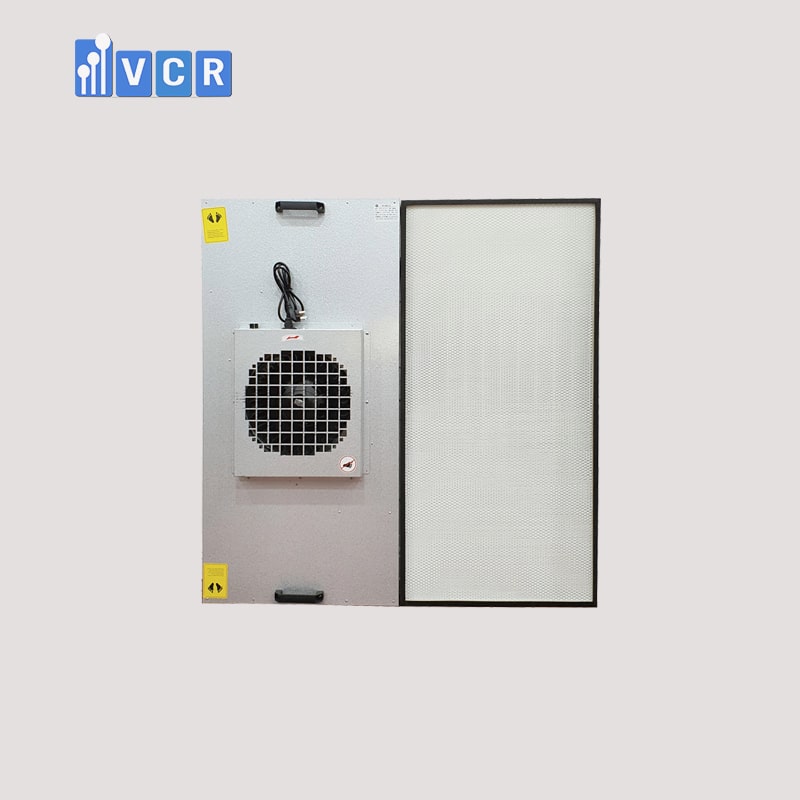
HVAC controls supply and return airflow to create and maintain pressure differences. It is the main control mechanism.
Is airflow related?
Yes; airflow and pressure differential are interdependent and must be designed together.
Does pressure differential affect microorganisms?
Yes; it prevents microbial movement between zones by controlling air direction.
Is monitoring required?
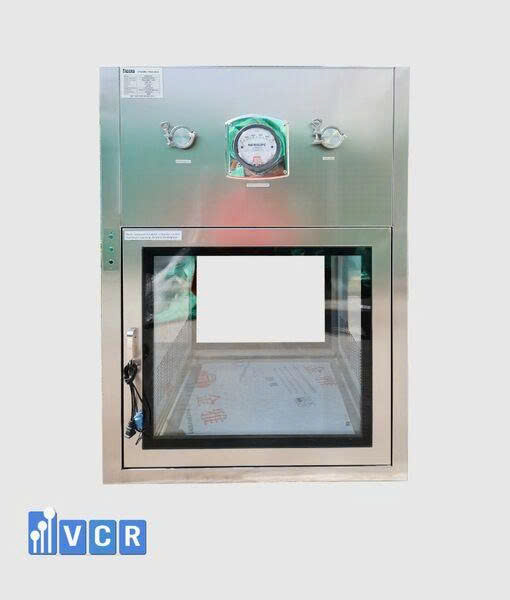
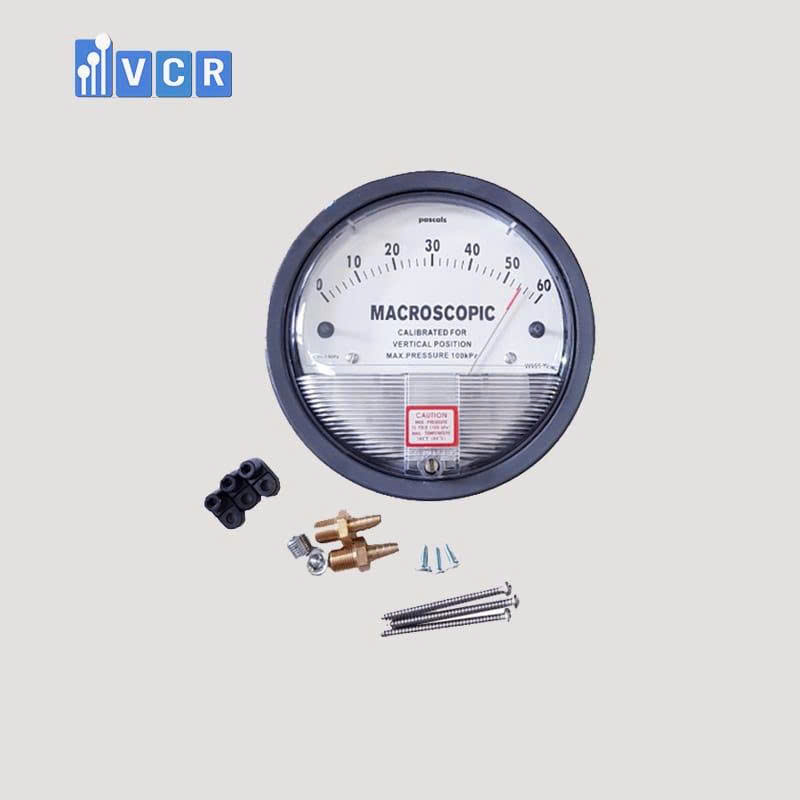
Yes; continuous monitoring using differential pressure gauges is necessary.
Are alarms required?
Yes; alarms should trigger when pressure deviates from set limits.
Are SOPs required?
Yes; SOPs define acceptable limits and corrective actions.
Is periodic verification needed?
Yes; sensors must be calibrated and HVAC systems checked regularly.
What are common mistakes?
Setting a single pressure value without designing a proper cascade system.
Does pressure differential affect doors?
Yes; higher pressure can make doors harder to open, requiring proper design.
Does it affect energy consumption?
Yes; maintaining pressure differentials requires energy and must be optimized.
What is the most important factor?
Integrated design of HVAC, airflow, and layout.
What is the standard pressure differential in a food cleanroom?
Typically, pressure differentials are designed within 5–15 Pa between adjacent areas, with 10–15 Pa commonly used for critical clean zones. However, the “standard” is not a fixed number but a properly designed pressure cascade ensuring airflow moves from clean to less clean areas. Continuous control via HVAC and monitoring systems is essential to maintain stability, prevent contamination, and ensure consistent product quality.
Duong VCR