- What is an ISO class?
- Why is choosing the right ISO class important?
- Is ISO 8 suitable for food production?
- When is ISO 7 required?
- Is ISO 5 necessary?
- Should one ISO class be used for the entire facility?
- What factors determine ISO class selection?
- How is ISO related to HACCP?
- Does ISO control microorganisms?
- How does HVAC affect ISO class?
- Are HEPA filters necessary?
- Does airflow design matter?
- What is the role of pressure differentials?
- Does ISO class affect cost?
- What are common mistakes in ISO selection?
- Is ISO classification mandatory?
- Is monitoring required?
- Is validation required?
- What is the most important factor in ISO selection?
- Which ISO class is suitable for food production?
From the perspective of “VCR cleanroom equipment,” ISO class selection is not a standalone technical choice but the result of risk assessment, process needs, and product goals.
What is an ISO class?
An ISO class is an air cleanliness classification defined by International Organization for Standardization 14644, based on the number of airborne particles. Classes range from ISO 1 (cleanest) to ISO 9 (similar to normal environments). It defines the required level of environmental control.
Why is choosing the right ISO class important?
It balances performance and cost. Over-specifying (e.g., ISO 5 everywhere) increases capital and operating costs, while under-specifying increases contamination risk. Proper selection ensures product quality and long-term efficiency.
Is ISO 8 suitable for food production?
Yes; ISO 8 is widely used for general food processing where contamination risk is moderate. It provides sufficient particle control with good cost efficiency, making it a common baseline.
When is ISO 7 required?
ISO 7 is suitable for higher-control areas such as packaging, nutraceutical production, or export-grade products. It offers better contamination control than ISO 8.
Is ISO 5 necessary?
Only in critical zones such as aseptic filling or highly sensitive products. It is rarely applied to entire facilities due to high cost; typically used locally.
Should one ISO class be used for the entire facility?
No; zoning is recommended. For example: ISO 8 (processing), ISO 7 (packaging), ISO 5 (critical zones). This approach optimizes both cost and performance.
What factors determine ISO class selection?
Product type, process sensitivity, hygiene requirements, and regulatory or export standards. These define the acceptable contamination risk.
How is ISO related to HACCP?
ISO controls the environment; HACCP controls process hazards. Together they provide comprehensive food safety management.
Does ISO control microorganisms?
Not directly; it controls particles. However, since particles often carry microorganisms, ISO indirectly reduces microbial risk.
How does HVAC affect ISO class?
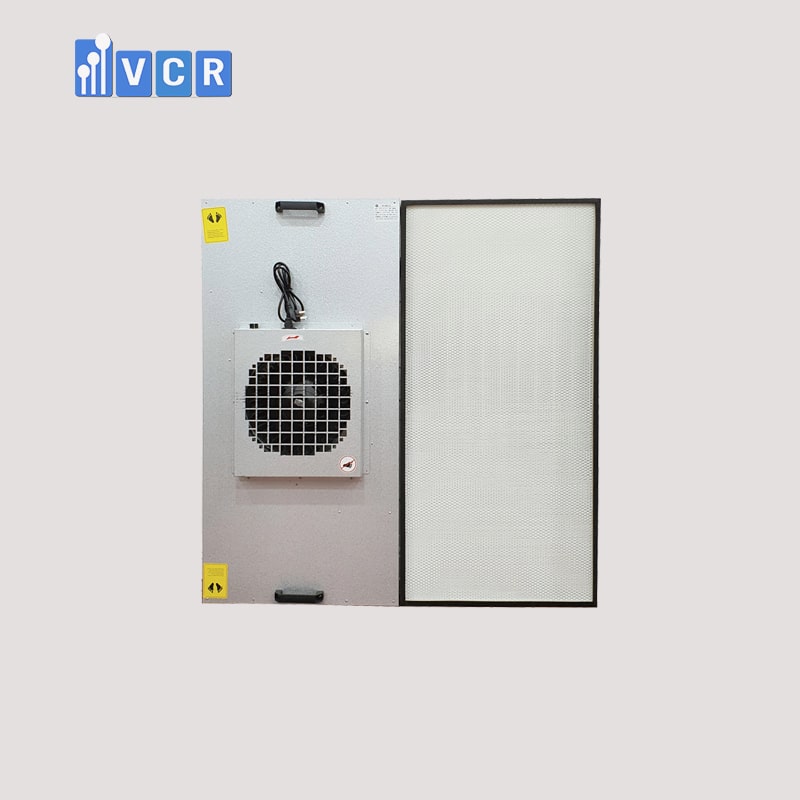
HVAC is the primary system that achieves and maintains ISO conditions. It controls airflow, temperature, and humidity. Without stable HVAC, ISO compliance cannot be sustained.
Are HEPA filters necessary?
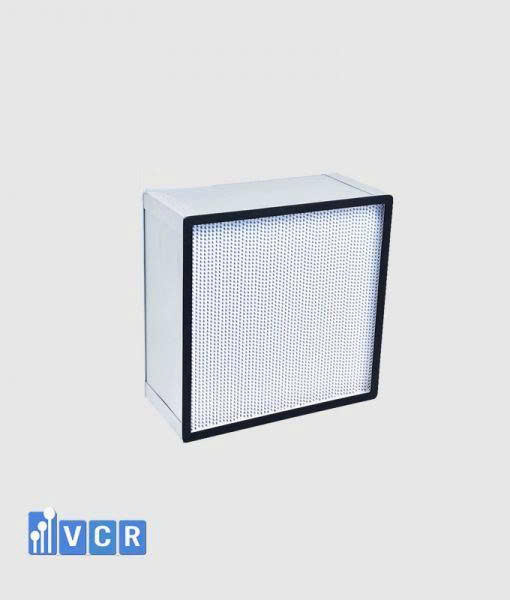
Yes; HEPA filtration removes airborne particles and is essential for achieving ISO 7 and lower classes.
Does airflow design matter?
Yes; airflow determines how clean air is distributed. Poor design leads to turbulence and ineffective contamination control.
What is the role of pressure differentials?
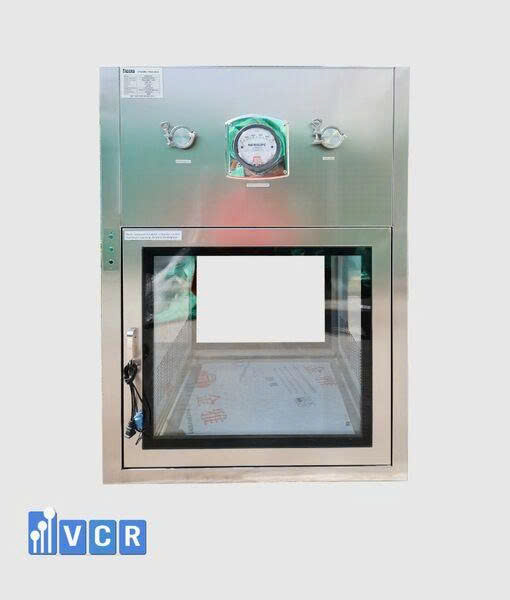
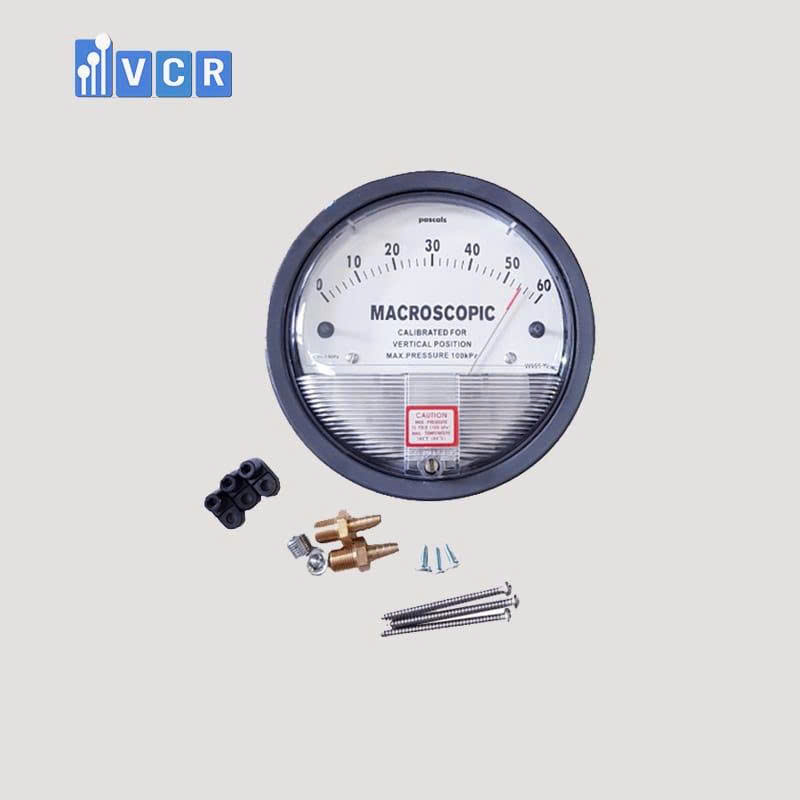
They control airflow direction between zones, preventing cross-contamination; a key part of cleanroom design.
Does ISO class affect cost?
Significantly; lower ISO classes (e.g., ISO 5) increase both capital and operating costs. Proper selection is essential for cost control.
What are common mistakes in ISO selection?
Choosing unnecessarily low ISO levels or following trends without risk assessment; leading to higher cost with little benefit.
Is ISO classification mandatory?
Not always; but it is often required for export-oriented or high-quality production facilities.
Is monitoring required?
Yes; continuous monitoring of particles and environmental parameters is necessary to maintain ISO conditions.
Is validation required?
Yes; particle counting and testing are required to confirm compliance with the selected ISO class.
What is the most important factor in ISO selection?
Risk-based decision-making; ISO must match the actual production requirements, not assumptions.
Which ISO class is suitable for food production?
Typically, ISO 8 is used for general processing, ISO 7 for packaging and higher-sensitivity areas, and ISO 5 for critical zones such as aseptic operations. The optimal approach is zoning rather than a single ISO level; the goal is not achieving the lowest ISO class but ensuring effective environmental control aligned with product needs and cost efficiency.
Duong VCR