
- Which standards apply to food cleanrooms?
- What is the role of ISO 14644?
- What is the role of HACCP?
- How does GMP relate?
- What is ISO 22000?
- Is it necessary to apply all standards?
- Which standard is the most important?
- Does ISO control microorganisms?
- Can HACCP replace ISO?
- Does GMP require cleanrooms?
- How is HVAC related to standards?
- Are HEPA filters part of standards?
- Is airflow specified in standards?
- Are pressure differentials part of standards?
- Is monitoring required?
- Is validation required?
- Is documentation required?
- Is training required?
- What are common mistakes?
- Which standards must a food cleanroom comply with?
From the perspective of “VCR cleanroom equipment,” a food cleanroom is not about applying one standard—it is about building an integrated system to control both environment and process.
Which standards apply to food cleanrooms?
There is no single standard; a combination is required, including ISO 14644 (environment), HACCP (process control), GMP (manufacturing practice), and ISO 22000 (management system). Together they provide comprehensive control.
What is the role of ISO 14644?
ISO 14644, issued by the International Organization for Standardization, defines air cleanliness classifications based on particle concentration. It is the foundation for cleanroom design and environmental control.
What is the role of HACCP?
HACCP identifies hazards and defines Critical Control Points (CCPs). It is essential for ensuring food safety throughout production processes.
How does GMP relate?
GMP defines requirements for facilities, equipment, hygiene, and personnel. Cleanrooms help meet these requirements effectively.
What is ISO 22000?
ISO 22000 is a food safety management system integrating HACCP with operational management. It ensures consistent control and continuous improvement.
Is it necessary to apply all standards?
Not always; selection depends on product type and market requirements. However, export-oriented production often requires multiple standards.
Which standard is the most important?
No single standard is sufficient. Effectiveness comes from integration: ISO controls environment, HACCP controls process, and GMP ensures proper operation.
Does ISO control microorganisms?
Not directly; ISO controls particles. Since particles often carry microorganisms, it indirectly reduces microbial risk.
Can HACCP replace ISO?
No; HACCP and ISO serve different purposes. HACCP manages process hazards, while ISO manages environmental cleanliness.
Does GMP require cleanrooms?
Not explicitly; but it requires controlled environments. Cleanrooms are an effective way to achieve this.
How is HVAC related to standards?
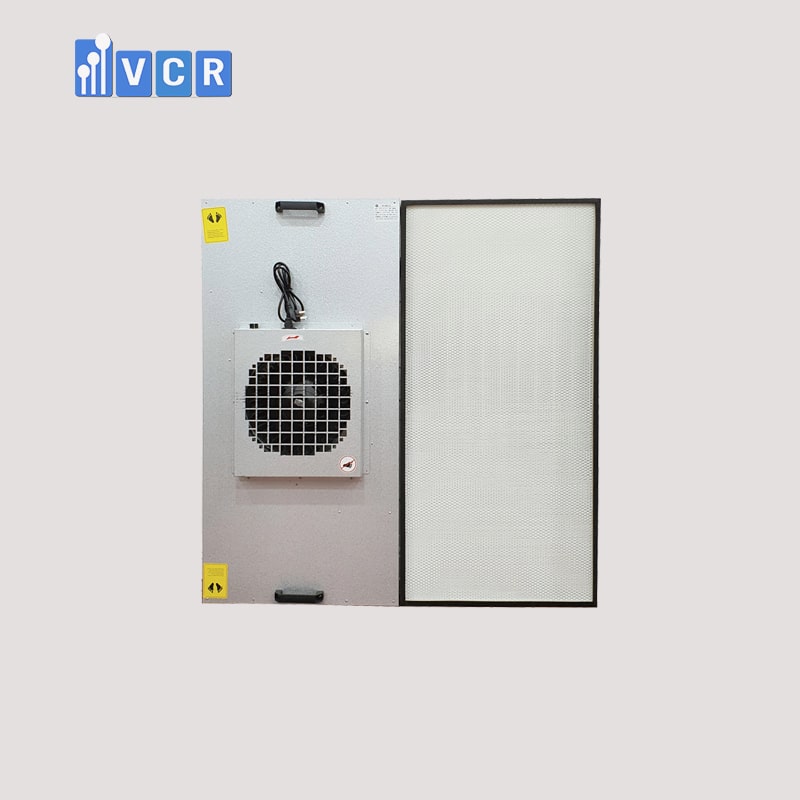
HVAC implements environmental control required by ISO and GMP. It is a critical technical system.
Are HEPA filters part of standards?
Not as a standalone standard, but they are essential tools to achieve ISO air cleanliness levels.
Is airflow specified in standards?
Not always directly, but it is a key design factor to meet environmental requirements.
Are pressure differentials part of standards?
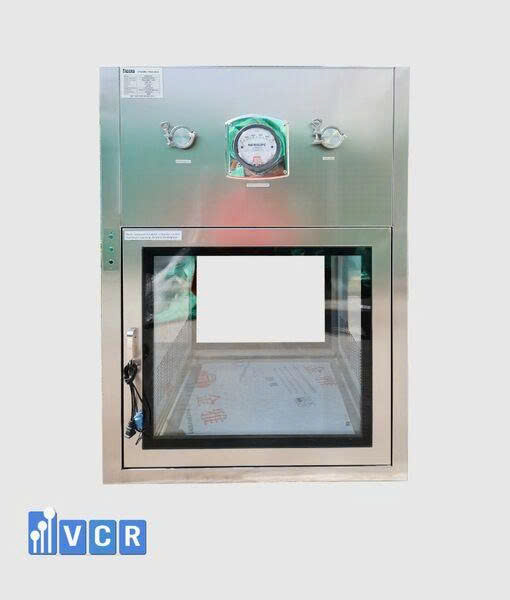
Not as a separate standard, but they are a fundamental design principle in cleanrooms.
Is monitoring required?
Yes; most standards require monitoring to ensure system performance and compliance.
Is validation required?
Yes; especially under ISO and GMP, systems must be tested and verified.
Is documentation required?
Yes; ISO 22000 and GMP require full documentation for traceability and compliance.
Is training required?
Yes; personnel competence is essential for all standards.
What are common mistakes?
Applying only one standard or implementing standards superficially without real control; this reduces effectiveness.
Which standards must a food cleanroom comply with?
A food cleanroom must comply with an integrated system of standards: ISO 14644 for air cleanliness, HACCP for hazard control, GMP for manufacturing practices, and ISO 22000 for overall food safety management. No single standard is sufficient; effectiveness comes from combining them based on product type, market requirements, and risk level to ensure both compliance and optimal performance.
Duong VCR